

-
-

-
Blog

-
Contact

Power Transformer Price Guide 2026: Factors, Ranges & Buying Tips
Author:
📋 Article Overview
This guide is written for US-based procurement engineers, electrical contractors, and budget decision-makers researching power transformer price in 2026. It covers pricing by kVA and voltage class, efficiency standards, tariff impacts, and a structured framework for total cost evaluation. Reading time: approximately 14 minutes.
📑 Table of Contents
- 1. What Is Power Transformer Price? A Direct Definition
- 2. Key Factors That Determine Electrical Transformer Pricing
- 3. Power Transformer Price Ranges by Type and kVA (2026 Data)
- 4. New vs. Reconditioned vs. Rental: Which Option Fits Your Budget?
- 5. DOE 2025 Efficiency Standards: How They Impact Transformer Cost
- 6. Tariffs, Supply Chain, and Lead Time: The Hidden Price Drivers
- 7. How to Evaluate Total Cost of Ownership (TCO), Not Just Unit Price
- 8. Frequently Asked Questions
What Is Power Transformer Price? A Direct Definition
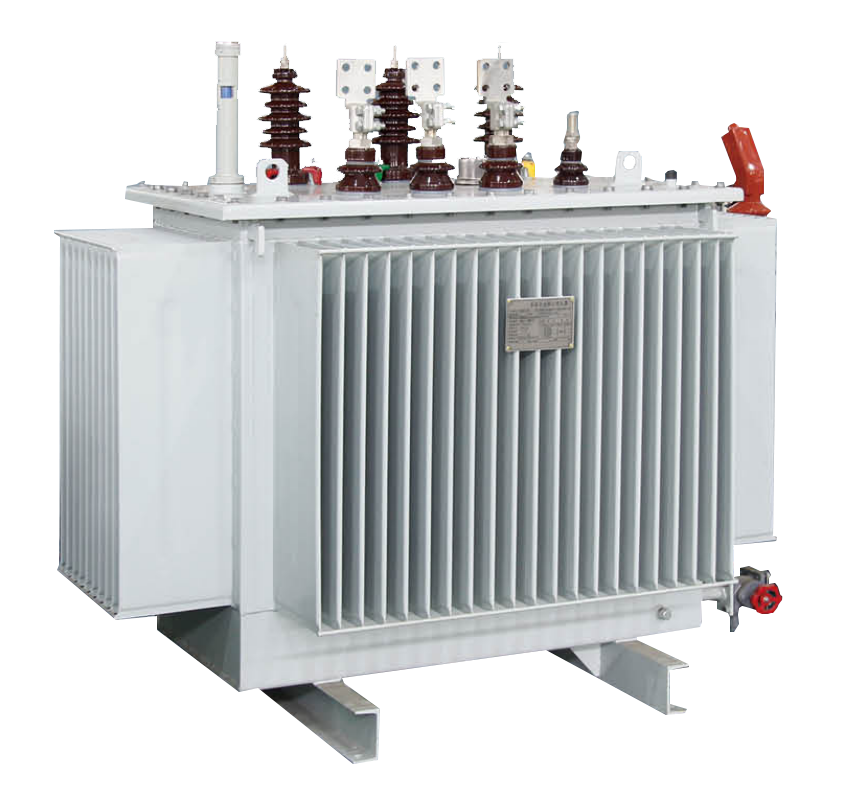
Power transformer price refers to the total market acquisition cost of a transformer device used to step up or step down AC voltage for power transmission and distribution, typically ranging from $1,500 for small distribution units to over $1,000,000 for large transmission-class equipment. This figure is shaped by capacity in kVA or MVA, primary and secondary voltage ratings, insulation class, winding material, and efficiency tier — not simply by brand or size alone.
Understanding what you're actually paying for is the first step toward a defensible procurement decision. Many buyers treat transformer unit price as a commodity figure, comparable across vendors with a single spreadsheet column. In practice, two 500 kVA units from different manufacturers can differ by 30–40% in sticker price — and even more in lifetime operating cost. That gap deserves explanation.
For context on the technical architecture behind pricing, refer to the foundational reference at Power Transformer Overview and Technical Specifications, which outlines winding configurations, core materials, and voltage class definitions that directly feed into cost structures.
Why Price Varies So Dramatically Between Units
The electrical transformer pricing spectrum is wide because transformers are not interchangeable commodities. A 75 kVA dry-type unit for an office building has almost nothing in common — in materials, engineering hours, or regulatory requirements — with a 50 MVA oil-filled substation transformer serving a regional utility. Capacity scaling is non-linear: doubling the kVA rating typically increases material cost by 60–80%, not 100%. Labor, testing, and compliance certification add fixed overhead that disproportionately affects smaller orders. That's why transformer price per kVA actually decreases at higher capacities.
The 2026 Market Baseline
According to recent market research, the global power transformer market was valued at approximately $46.9 billion in 2023 and is projected to reach $83 billion by 2030, representing a CAGR of roughly 8.4%. In the US specifically, 2026 data shows demand accelerating sharply due to data center buildouts, EV charging infrastructure, and utility grid hardening programs. This demand pressure — combined with raw material volatility and post-tariff supply chain adjustments — means industrial transformer pricing is trending upward across nearly every segment.
Key Factors That Determine Electrical Transformer Pricing
Electrical transformer pricing is driven by a layered set of variables. Experienced procurement engineers know that the nameplate rating is just the starting point — the real cost conversation begins when you specify the full application requirements.
Capacity (kVA/MVA) and Voltage Class
Capacity is the single largest price driver. As a rule, distribution transformer price scales roughly with the square root of the kVA rating when comparing units of the same type and voltage class — a useful mental model for quick budget estimates. Voltage class matters equally: a medium voltage transformer price at 15 kV will carry a significant premium over a 480V secondary unit at the same kVA, because higher dielectric strength demands more insulation material, tighter manufacturing tolerances, and more extensive factory testing. High voltage transformer price at transmission levels (115 kV and above) introduces a further step-change in cost due to bushing complexity, oil volume, and transport logistics.
Winding Material: Copper vs. Aluminum
A common industry debate. Copper windings offer slightly lower resistive losses and a more compact form factor, while aluminum windings reduce material cost by 15–25% on mid-range units. The industry consensus is that copper's efficiency advantage is measurable but not always decisive — it depends heavily on load factor and local electricity rates. In high-utilization industrial settings (load factors above 70%), copper's lower I²R losses often justify the upfront premium within three to five years. For lightly loaded commercial applications, aluminum windings deliver a better total cost of ownership. Neither choice is universally superior; the decision should be driven by a lifecycle cost model, not procurement habit.
Core Material and Efficiency Tier
Grain-oriented silicon steel is the standard core material. Premium amorphous metal cores reduce no-load (core) losses by up to 70% compared to conventional silicon steel — a compelling figure for utilities running transformers at partial load for extended periods. The tradeoff is a 20–35% higher initial transformer replacement cost. With the DOE 2025 efficiency standards now in effect, compliant units are required to meet stricter loss limits, pushing manufacturers toward higher-grade core materials across the board. This is one reason why buy power transformer budgets have increased 10–15% industry-wide in 2026 compared to 2022 baselines.

Power Transformer Price Ranges by Type and kVA (2026 Data)
Below is a consolidated pricing reference table based on 2026 US market data aggregated from distributor quotes, manufacturer price lists, and procurement records. These figures represent typical FOB US warehouse pricing for new, DOE-compliant units. Actual quotes may vary ±15–20% based on quantity, lead time, and specification details.
| Transformer Type | Capacity Range | Voltage Class | Price Range (USD, 2026) | Typical Application |
|---|---|---|---|---|
| Dry-Type Distribution | 15–150 kVA | 208–600V | $1,500 – $12,000 | Commercial buildings, light industrial |
| Dry-Type Distribution | 225–1,000 kVA | 480V–15 kV | $14,000 – $65,000 | Data centers, hospitals, manufacturing |
| Oil-Filled Distribution | 25–500 kVA | 4–25 kV | $3,500 – $28,000 | Utility pad-mount, rural distribution |
| Oil-Filled Distribution | 1,000–5,000 kVA | 15–69 kV | $45,000 – $180,000 | Industrial substations, utility feeders |
| Medium Voltage Power | 5–30 MVA | 34.5–115 kV | $200,000 – $650,000 | Transmission substations, wind/solar farms |
| Large Transmission | 100–500 MVA | 115–765 kV | $800,000 – $3,500,000+ | High-voltage grid backbone, major utilities |
Why does transformer price per kVA drop so sharply at larger ratings? Think of it like bulk lumber pricing — the cost per board-foot falls as order volume rises, because fixed manufacturing setup costs are spread across more material output. The same physics applies to transformer core laminations and coil winding labor. A 1,000 kVA unit does not cost ten times more than a 100 kVA unit; the ratio is typically closer to four to five times.
Step-Up vs. Step-Down Transformer Price Differences
In most standard applications, step-up transformer price and step-down transformer cost are functionally equivalent for the same kVA and voltage ratings — the core and winding design is symmetrical. Price differences emerge when the transformation ratio is extreme (e.g., 480V to 115 kV), where insulation requirements, tap changer complexity, and testing protocols add meaningful cost. For renewable energy interconnections, step-up units often carry a 10–20% premium due to custom turns ratios and harmonic tolerance specifications.
Using a KVA-Based Cost Estimator
A practical self-quoting approach for US buyers: multiply your required kVA by a per-kVA benchmark rate, then apply voltage and type multipliers. As a 2026 baseline, dry-type distribution transformer pricing runs approximately $55–$95 per kVA at the 150–750 kVA range; oil-filled units at medium voltage run $30–$60 per kVA. Apply a 1.15× multiplier for copper windings, 1.25× for premium efficiency (DOE Tier 2 compliant), and 1.10–1.20× for non-standard voltage ratios. This rapid estimator won't replace a formal RFQ, but it allows credible budget provisioning before engaging transformer manufacturer pricing teams.
New vs. Reconditioned vs. Rental: Which Option Fits Your Budget?
Not every procurement scenario demands a new unit. This is a point that most competitor guides ignore entirely — and it's a costly omission for budget-conscious buyers facing grid emergencies or capital constraints.
New Transformers: Full Compliance, Full Cost
New units offer factory warranty (typically 1–5 years), guaranteed DOE efficiency compliance, and predictable remaining service life (30–40 years). They command the pricing shown in the table above. Lead times in 2026 for standard distribution units run 20–36 weeks from domestic manufacturers; large power transformers sourced domestically can require 52–80 weeks. This lead time reality is forcing many utilities and industrial buyers to reconsider their procurement strategies.
Reconditioned Transformers: 40–60% Savings With Caveats
Reconditioned (refurbished) transformers typically sell at 40–60% of new unit price. A reconditioned 2,500 kVA substation transformer that would list at $120,000 new might be available at $50,000–$70,000 through a reputable reconditioning specialist. The reconditioning process involves rewinding, oil replacement, bushing inspection, and factory re-testing. Reputable vendors provide test reports and limited warranties of 12–24 months. The primary risk is efficiency compliance: older units may not meet current DOE 2025 loss limits, which matters for long-term operating cost calculations. Always request the ANSI/IEEE test certification and confirm DOE compliance status before purchase.
Transformer Rental: The Emergency and Bridge Solution
Rental transformers are a well-established but underutilized option in the US market. Monthly rental rates for a 1,000–2,500 kVA unit typically range from $3,500 to $9,000 per month, inclusive of delivery and basic commissioning. For a planned outage lasting 2–4 months, or while awaiting a new unit on backorder, rental can be significantly more economical than paying transformer replacement cost on an expedited basis. According to recent industry data, roughly 15% of US industrial transformer procurement now involves a rental bridge period — a figure expected to grow as lead times remain extended through 2026.

DOE 2025 Efficiency Standards: How They Impact Transformer Cost
The US Department of Energy's updated efficiency standards — commonly referenced as the DOE 2025 rule — took effect for distribution transformers and represent the most significant regulatory cost driver in the current market. Understanding this is non-negotiable for any US procurement decision.
What Changed from DOE 2016 to DOE 2025
The DOE 2016 rule established minimum efficiency levels for liquid-filled and dry-type distribution transformers sold in the US. The 2025 update tightened these thresholds by approximately 15–25% across most capacity classes. In practical terms, compliant 2025-standard units require lower no-load losses, which typically means upgraded core steel (often amorphous metal or high-grade silicon steel), more precise manufacturing, and in some cases redesigned winding geometries. These engineering upgrades translate directly into higher transformer unit price — mainstream estimates put the compliance cost premium at 12–18% above pre-2025 baselines for standard distribution units. Refer to the official guidance at Power Transformer Standards and Cost Guidelines for the full regulatory text and test procedure requirements.
Long-Term Savings vs. Higher Upfront Cost
Here's where the calculation gets interesting. A DOE 2025-compliant 500 kVA oil-filled transformer may cost $8,000–$12,000 more than a pre-standard equivalent. However, reduced no-load losses can translate to annual energy savings of $3,000–$7,000 depending on load profile and local electricity rates (using the US average commercial rate of approximately $0.12–$0.16 per kWh in 2026). That implies a payback period of two to four years — and 25–30 years of ongoing savings over the transformer's service life. The math strongly favors the higher-efficiency unit in almost any realistic scenario. According to Research on Power Transformer Pricing and Market Analysis, lifecycle cost modeling consistently shows that premium-efficiency transformers outperform standard units on total cost of ownership when electricity costs exceed $0.08/kWh.
"Efficiency standards don't just raise the purchase price — they restructure the entire cost conversation. Buyers who evaluate transformers on sticker price alone are optimizing the wrong variable. The 20-year operating cost of a 1,000 kVA transformer typically exceeds its purchase price by a factor of 8 to 12." — Paraphrased from a 2025 DOE distribution transformer rulemaking impact analysis
Tariffs, Supply Chain, and Lead Time: The Hidden Price Drivers
Why do two identical spec sheets yield quotes that differ by 25%? The answer is often found not in the transformer itself, but in the procurement context around it.
Section 301 China Tariffs and Their Ongoing Impact
Section 301 tariffs on Chinese-manufactured electrical equipment — including transformer cores, laminations, bushings, and complete units — currently range from 25% to 100% depending on the product category and any applicable exclusions. For US buyers sourcing from Chinese transformer manufacturers or through distributors with Chinese supply chains, this adds a direct landed cost premium. According to Power Transformer Industry News and Market Pricing Trends, several major US distributors adjusted their pricing catalogs upward by 18–22% in 2024–2025 as a direct result of tariff structure changes. In 2026, this remains a live variable — buyers should explicitly confirm tariff status and country of origin with any supplier quoting Chinese-sourced components.
The tariff effect is not uniform. Domestic US manufacturers (ABB/Hitachi, Eaton, General Electric grid division, SPX Transformer Solutions) are largely insulated from Section 301 exposure but face their own cost pressures from domestic copper and silicon steel pricing. Mexican and Canadian manufacturers under USMCA enjoy duty-free status and have gained market share as a result.
Regional Lead Times and Availability in the US
Lead time is not a national average — it varies significantly by region and transformer class. Based on 2026 distributor data:
- Northeast (New England, Mid-Atlantic): Distribution units, 18–28 weeks; large power transformers, 60–80 weeks. High grid density and aging infrastructure create strong demand, with utility procurement competing directly with commercial buyers for available inventory.
- Southeast: Distribution units, 16–24 weeks. Several domestic manufacturing facilities in this region provide slightly faster access for standard ratings.
- Midwest: Distribution units, 14–22 weeks; industrial-grade units in tighter supply due to manufacturing expansion demand from EV and semiconductor facilities.
- Southwest (Texas, Arizona, Nevada): Data center and solar farm build-outs are creating acute shortages in the 750 kVA–5 MVA range. Lead times of 30–45 weeks are common for non-stocked configurations.
- West Coast: Port availability helps with some imported units, but wildfire-hardening programs are consuming significant transformer inventory. Distribution unit lead times: 20–32 weeks.
The practical implication: if your project is in the Southwest or Northeast, budget for rental bridging or begin procurement 18–24 months before your required energization date. This is not a bureaucratic recommendation — it reflects the real supply environment documented in 2026 distributor allocation reports. For broader market sizing data, Global Power Transformer Market Size and Price Statistics provides regional demand breakdowns that help contextualize these lead time pressures.
How to Evaluate Total Cost of Ownership (TCO), Not Just Unit Price
The single most costly mistake in transformer procurement is treating the purchase price as the cost. It isn't. For a 500 kVA transformer operating at 60% average load factor over 30 years at $0.13/kWh, the cumulative energy cost of core and winding losses can easily exceed $180,000 — more than triple the initial transformer unit price for that capacity class.
TCO Components Every Buyer Must Calculate
A rigorous TCO analysis for transformer procurement includes six elements: (1) initial purchase price, (2) freight and installation cost (typically 8–15% of unit price for distribution transformers), (3) no-load (core) loss cost over service life, (4) load loss cost based on projected load profile, (5) maintenance and oil testing costs for liquid-filled units, and (6) end-of-life disposal or resale value. Of these, items 3 and 4 almost always dominate for transformers operated continuously in commercial or industrial service.
Practical Steps to Get the Best Transformer Price
- Define the full specification before requesting quotes — kVA, primary/secondary voltage, winding material preference, efficiency tier, enclosure type (NEMA 1/3R/4), and tap range. Incomplete specs generate incomparable quotes.
- Solicit three or more bids from a mix of domestic manufacturers, authorized distributors, and at least one USMCA-origin supplier to expose tariff-driven price gaps.
- Request loss data (W at no-load and W at full load) with every quote, then run a standardized TCO comparison using your actual electricity rate and anticipated load factor.
- Evaluate reconditioned inventory from certified vendors if lead time is a constraint and the application is not mission-critical.
- Negotiate delivery terms explicitly — FOB factory vs. FOB job site can account for $2,000–$15,000 in cost difference for large units requiring specialized transport.
- Confirm DOE 2025 compliance in writing — not all distributors flag non-compliant stock clearly, and using a non-compliant unit in a new installation creates regulatory exposure.
Of course, there are situations where the lowest TCO unit is not the right choice — emergency replacements, temporary installations, or legacy systems with unusual voltage requirements may justify different optimization criteria. Acknowledging these exceptions is simply honest procurement engineering.
Frequently Asked Questions
Q: What is the average power transformer price for a commercial building in the US in 2026?
A: For a typical US commercial building requiring 150–500 kVA at 480V secondary, a new DOE 2025-compliant dry-type transformer price ranges from $12,000 to $45,000. Installation adds 10–15% to the total. Oil-filled alternatives at the same capacity run slightly less but require outdoor installation or a dedicated vault space.
Q: How much does a 1000 kVA transformer cost in 2026?
A: A new 1,000 kVA dry-type unit at medium voltage (15 kV primary, 480V secondary) typically prices between $38,000 and $65,000 from US distributors in 2026, depending on winding material, efficiency tier, and enclosure rating. An oil-filled equivalent runs $40,000–$70,000 depending on voltage class and DOE compliance tier.
Q: Do Section 301 tariffs significantly affect transformer prices for US buyers?
A: Yes. Chinese-origin transformer components and complete units face 25–100% Section 301 tariffs, adding meaningful landed cost to any supply chain with Chinese content. US buyers sourcing from domestic manufacturers or USMCA-origin suppliers avoid this exposure. Always confirm country of origin and tariff classification before accepting a quote.
Q: Is a reconditioned transformer a safe option for industrial use?
A: Yes, when sourced from a certified reconditioning facility that provides ANSI/IEEE test documentation and a written warranty. Reconditioned units typically cost 40–60% less than new and are appropriate for non-critical applications or bridge deployments. For mission-critical facilities — hospitals, data centers, utilities — new units with full factory warranties remain the recommended standard.
Q: How do DOE 2025 efficiency standards affect my transformer buying decision today?
A: DOE 2025 compliant units cost 12–18% more upfront but deliver lower core and load losses over their service life. For any transformer expected to operate more than 10 years at load factors above 50%, the lifecycle cost savings from DOE 2025 compliance nearly always outweigh the initial premium. Non-compliant units cannot be legally sold for new installations in the US under current federal rules.
Conclusion: Getting Power Transformer Price Right in 2026
Power transformer price in 2026 is not a single number — it's a range determined by capacity, voltage class, efficiency tier, winding material, tariff exposure, and regional availability. The most effective procurement approach combines a rigorous total cost of ownership analysis with proactive supplier engagement, DOE compliance verification, and realistic lead time planning. Buyers who treat transformer cost as a commodity line item consistently overspend over the asset's lifetime. Those who invest the time to specify correctly, compare comprehensively, and model lifecycle costs make procurement decisions they can defend technically and financially. Use the pricing benchmarks and frameworks in this guide as your 2026 baseline — and revisit them quarterly as raw material markets and tariff conditions continue to evolve.
More news
We will send you real-time information regularly!

Optical storage charging solution supplier
Cangzhou Huarui Transformer Co., Ltd.
Address: Xinxing Town Industrial Zone, Qing County, Cangzhou, Hebei
All rights reserved©2024 Cangzhou Huarui Transformer Co., Ltd.
Powe : www.300.cn License city substation