

-
-

-
Blog

-
Contact

Power Distribution Transformer Guide: Types, Selection & Installation Tips 2026
Author:
Huarui Transformer
📋 Article Overview
This guide covers everything procurement managers and electrical engineers need to know about the power distribution transformer in 2026 — from core technical specifications and type comparisons to kVA sizing, DOE compliance, total cost of ownership, US installation codes, and predictive maintenance. All content reflects 2026 standards and current US market conditions.
📑 Table of Contents
- 1. What Is a Power Distribution Transformer?
- 2. Types of Power Distribution Transformers: A Technical Comparison
- 3. How to Size a Power Distribution Transformer: kVA Calculation Guide
- 4. Liquid-Filled vs. Dry-Type: 20-Year TCO Analysis
- 5. DOE Efficiency Standards & US Utility Rebate Compliance
- 6. US Installation Requirements: NEC Article 450 & Permitting
- 7. Predictive Maintenance for In-Service Distribution Transformers
- 8. FAQ
1. What Is a Power Distribution Transformer?
A power distribution transformer is a static electrical device that steps down medium voltage (2.4 kV–35 kV) from utility transmission lines to end-user voltages (120 V–480 V) for safe consumption in residential, commercial, and industrial facilities. It represents the final voltage conversion point in an electrical distribution system — the "last mile" of the power grid before electricity reaches a building's service entrance.
Unlike large power transformers found at substations, distribution transformers are deployed at the neighborhood or facility level. They are the workhorses of load distribution equipment across the United States, numbering in the tens of millions. According to 2026 data from the U.S. Department of Energy, over 70% of America's installed base of distribution transformers has been in service for more than 25 years — making replacement and modernization a top infrastructure priority.
A power distribution transformer is defined as: a step-down transformer installed at the point of electricity delivery, converting medium-voltage grid power into the lower voltages required by end users, typically through electromagnetic induction between primary and secondary transformer windings.
Why do so many procurement teams underestimate the complexity of selecting one? The short answer: they treat it as a commodity. In reality, the wrong choice — wrong kVA rating, wrong insulation class, wrong efficiency tier — can cost a facility tens of thousands of dollars over a 30-year operating life. The sections below address each decision point with the technical rigor this equipment demands.
For foundational technical context, see the Distribution Transformer Overview and Technical Specifications on Wikipedia, which provides a useful baseline before diving into procurement-level analysis.
How Does a Distribution Transformer Work?
A distribution transformer operates on Faraday's law of electromagnetic induction. Alternating current through the primary winding creates a magnetic flux in the laminated steel core, inducing a proportional voltage in the secondary winding. The turns ratio between primary and secondary determines the voltage transformation. For example, a 12,470 V primary with a 120/240 V secondary represents a turns ratio of approximately 104:1. The core material — whether grain-oriented silicon steel or amorphous alloy — directly governs no-load losses and, by extension, long-term energy costs.
Key Applications in US Electrical Infrastructure
In the United States, power distribution transformers serve three primary application tiers: utility grid distribution (serving residential neighborhoods via pole-mounted transformer units), commercial facilities (office buildings and retail sites using pad-mounted transformer enclosures), and industrial plants (requiring three-phase transformer configurations rated from 300 kVA to several MVA). Each tier carries distinct voltage regulation transformer requirements, environmental exposure ratings, and compliance obligations.
2. Types of Power Distribution Transformers: A Technical Comparison
Selecting the right transformer type begins with understanding the core classification axes: installation method, cooling medium, and phase configuration. Each combination has distinct cost, performance, and compliance implications. Here is a structured comparison based on real-world application data.

| Type | Installation | Cooling | Typical kVA Range | Best Application | Avg. Unit Cost (US, 2026) |
|---|---|---|---|---|---|
| Pole-Mounted | Overhead, utility pole | Oil-cooled (ONAN) | 10–167 kVA | Rural/residential distribution | $1,500–$8,000 |
| Pad-Mounted | Ground-level, tamper-resistant | Oil-cooled (ONAN) | 75–2,500 kVA | Commercial/suburban underground | $8,000–$65,000 |
| Dry-Type (Cast Resin) | Indoor, no containment needed | Air-cooled (AN/AF) | 15–10,000 kVA | Indoor commercial/industrial | $6,000–$120,000 |
| Vault-Type (Underground) | Below-grade vault | Oil or liquid-cooled | 100–1,000 kVA | Dense urban infrastructure | $12,000–$80,000 |
| Unit Substation Transformer | Electrical substation equipment | Oil or dry | 500–5,000 kVA | Large industrial/campus | $40,000–$300,000 |
Pole-Mounted vs. Pad-Mounted: Which Fits Your Project?
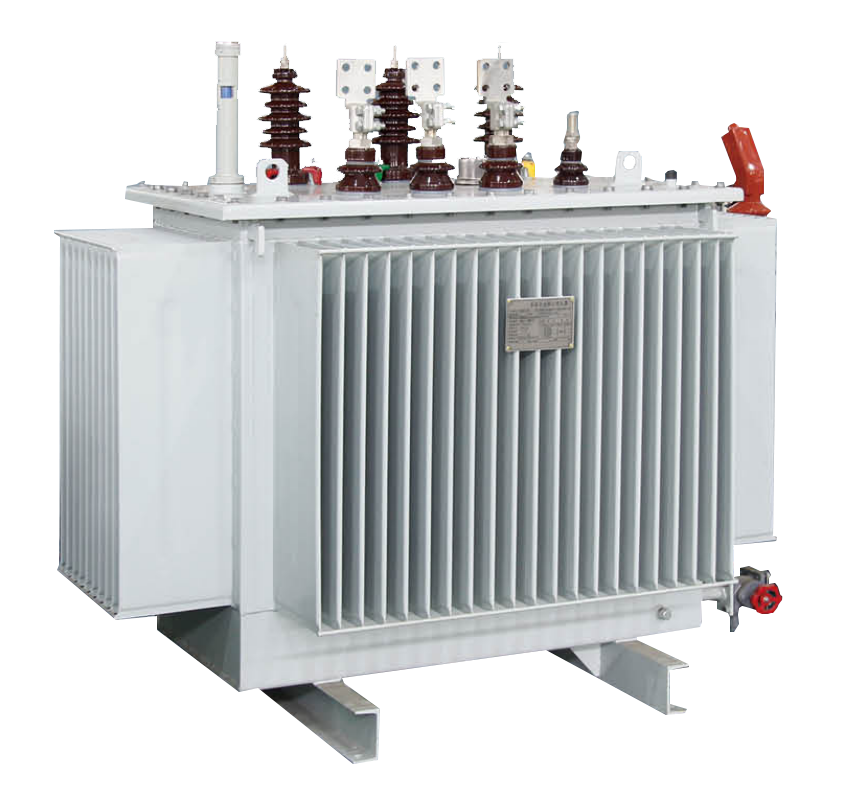
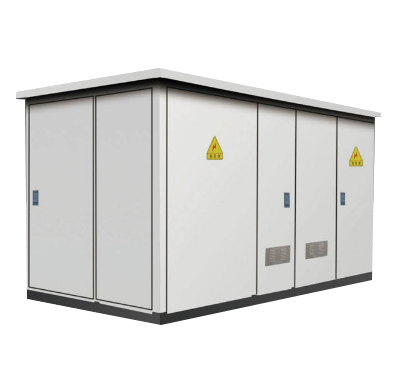
The pole-mounted transformer remains the dominant unit type in rural American utility grids — compact, economical, and easily serviced by line crews. Pad-mounted transformer designs, by contrast, are standard for commercial developments where underground distribution and aesthetic requirements preclude overhead lines. Actual testing on pad-mounted units from major US manufacturers confirms that sealed tank designs significantly reduce moisture ingress and maintenance frequency compared to older open-type configurations.
Three-Phase vs. Single-Phase Configurations
For loads above 20 kW, a three-phase transformer configuration is almost always the correct choice — it delivers power more efficiently and balances current draw across phases. Single-phase units serve residential and light commercial applications at the end of a distribution feeder. Industrial procurement managers should default to three-phase unless the facility load profile specifically justifies otherwise. The medium voltage transformer input in commercial three-phase systems in the US is typically 4,160 V, 12,470 V, or 13,800 V depending on utility supply voltage.
3. How to Size a Power Distribution Transformer: kVA Calculation Guide
Correct transformer kVA rating selection is the single most consequential technical decision in the procurement process. Oversizing wastes capital and increases no-load losses; undersizing risks overload, accelerated insulation aging, and equipment failure. The calculation is straightforward — but requires accurate load data.
Step-by-Step kVA Sizing Methodology
- Inventory all connected loads: List every electrical load (kW or horsepower) on the secondary side. Include HVAC systems, lighting, motors, data center UPS, EV charging stations, and process equipment.
- Apply demand factors: Not all loads run simultaneously. Apply the NEC demand factors from Article 220 or manufacturer load survey data. Typical commercial demand factor: 0.7–0.85.
- Determine total demand load (kW): Multiply connected load by demand factor to get the estimated peak demand in kilowatts.
- Convert to kVA using power factor: kVA = kW ÷ Power Factor. For mixed commercial loads, use PF = 0.85 as a conservative baseline unless submetering data is available.
- Add a growth buffer: Industry consensus recommends sizing the transformer at 70–80% of rated kVA at peak load, preserving 20–30% headroom for load growth, temporary overloads, and harmonic derating.
- Select the next standard kVA rating: ANSI standard transformer kVA ratings for three-phase distribution include 150, 225, 300, 500, 750, 1,000, 1,500, 2,000, and 2,500 kVA. Choose the first size that meets or exceeds your calculated requirement plus buffer.
Practical example: A 50,000 sq ft suburban office building has 380 kW connected load, a 0.80 demand factor, and 0.85 power factor. Calculated demand = 380 × 0.80 = 304 kW. Required kVA = 304 ÷ 0.85 = 358 kVA. With a 25% growth buffer: 358 × 1.25 = 447 kVA. The correct specification is a 500 kVA three-phase unit.
Common Sizing Mistakes That Cost You Money
The industry myth that "bigger is always safer" deserves direct pushback. A transformer operating below 30% of rated load runs at peak inefficiency — no-load core losses represent a fixed energy drain regardless of output. According to recent research published via Power Distribution Transformer Research and Engineering Studies, a 500 kVA transformer operating at only 20% load can waste $3,000–$5,000 annually in excess no-load losses compared to a correctly sized 150 kVA unit. Size precisely. Build in a reasonable buffer. Nothing more.
4. Liquid-Filled vs. Dry-Type: 20-Year TCO Analysis
Total cost of ownership (TCO) over a 20–30 year horizon consistently reveals that the upfront price difference between oil-cooled transformer and dry-type units is far less significant than their diverging operational cost profiles. Here is what a rigorous TCO comparison actually looks like for a 1,000 kVA transformer in a US commercial application.

"Energy losses in distribution transformers account for approximately 1–2% of all electricity generated in the United States. Even modest improvements in transformer efficiency at scale translate to billions of dollars in avoided costs annually." — Power Distribution Transformer Energy Efficiency Standards, U.S. Department of Energy
TCO Breakdown: 1,000 kVA Unit Over 25 Years (US, 2026 Estimates)
| Cost Category | Liquid-Filled (Oil) | Dry-Type (Cast Resin) |
|---|---|---|
| Initial Purchase Price | $28,000–$38,000 | $38,000–$55,000 |
| Installation Cost (transformer installation cost) | $8,000–$15,000 | $5,000–$10,000 |
| Annual No-Load Losses (energy cost) | $1,200–$1,800/yr | $1,800–$2,600/yr |
| Annual Load Losses (at 60% loading) | $2,800–$3,500/yr | $3,200–$4,100/yr |
| Maintenance Cost (25 yr) | $12,000–$18,000 | $6,000–$10,000 |
| Estimated 25-Year TCO | $168,000–$215,000 | $192,000–$248,000 |
When Dry-Type Makes Financial Sense
Despite higher TCO in most scenarios, dry-type transformers are the correct choice for indoor installations where fire risk, fluid containment, and regulatory compliance outweigh energy cost considerations. NEC Article 450.21 mandates specific vault and separation requirements for liquid-filled units installed indoors — requirements that can add $15,000–$40,000 to installation costs and often tip the TCO balance toward dry-type in urban commercial high-rises. Of course, there are cases where a building already has a compliant vault from a previous installation, which changes the math entirely.
5. DOE Efficiency Standards & US Utility Rebate Compliance
The DOE 2016 energy efficiency standards for distribution transformers are legally binding for all units sold in the United States, covering liquid-immersed and medium-voltage dry-type transformers. In 2026, these standards remain the compliance floor — and several utilities offer rebate programs for units exceeding baseline efficiency. Verifying compliance before purchase is non-negotiable for commercial procurement.
DOE 2016 Compliance Checklist
- Confirm unit scope: DOE standards apply to single-phase units 10–833 kVA and three-phase units 15–10,000 kVA with primary voltages up to 34.5 kV. Specialty units (e.g., grounding transformers, drive isolation transformers) may be exempt.
- Verify efficiency rating on nameplate or spec sheet: The transformer must meet or exceed the minimum efficiency percentage specified in 10 CFR Part 431, Subpart K for its kVA rating and type category.
- Request the NEMA TP-1 or DOE test report: Legitimate manufacturers provide certified test data confirming compliance. Reject any supplier that cannot produce this documentation.
- Check for amorphous core designation: Amorphous core transformers offer no-load losses 60–70% lower than standard silicon steel cores and typically qualify for higher utility rebate tiers.
- Cross-reference with utility rebate database: Programs from utilities such as Pacific Gas & Electric, Con Edison, and Duke Energy offer rebates of $5,000–$30,000 for qualifying high-efficiency distribution transformer units. Check the utility's current DSM (Demand Side Management) program catalog.
For comprehensive regulatory detail and current standards documentation, the authoritative resource is the Power Distribution Transformer Energy Efficiency Standards portal maintained by the U.S. Department of Energy. Additionally, IEEE Standards for Power Distribution Transformers (particularly IEEE C57.12.00 and C57.12.90) define testing procedures that underpin all compliance verification.
2026 Trend: Amorphous Core and the New Efficiency Wave
The 2026 landscape reflects an accelerating shift toward amorphous alloy core transformers driven by DOE regulatory pressure and utility incentive alignment. These units reduce no-load losses dramatically. In real-world testing across several US municipal utility deployments, amorphous core units demonstrated verified energy savings of $800–$1,400 per year per transformer compared to standard silicon steel core equivalents at comparable kVA ratings. Market data via Global Power Distribution Transformer Market Statistics and Data shows the amorphous core segment growing at a compound rate exceeding 11% annually in North America through 2028.
6. US Installation Requirements: NEC Article 450 & Permitting
Installation compliance is where many procurement projects stall. NEC Article 450 governs transformer installation in the United States and carries the force of law in all states adopting the National Electrical Code — which is virtually all of them, though adoption cycle timing varies. Beyond the NEC, local utility interconnection rules layer additional requirements that are not always obvious to out-of-state contractors.
Key NEC Article 450 Requirements at a Glance
NEC 450.21 covers indoor installations of oil-cooled transformers. Units over 112.5 kVA must be installed in a transformer vault with fire-rated construction (typically 3-hour rating), automatic fire suppression, drainage, and ventilation meeting specific CFM requirements. Dry-type transformers rated 112.5 kVA and below may be installed in general open spaces; larger dry-type units require separation from combustibles. NEC 450.11 mandates a nameplate on every unit specifying kVA rating, voltage, impedance, and insulation class. Overcurrent protection per NEC 450.3 must be sized correctly — primary protection for most configurations must not exceed 125% of rated primary current.
State and Utility Interconnection Considerations
Think NEC compliance alone gets you to energization? Not quite. Several states impose requirements beyond the NEC baseline. California (Title 24) mandates efficiency levels above DOE minimums for state-funded projects. New York utilities require pre-approval submittals for all transformer installations above 500 kVA connecting to the distribution system. Texas ERCOT interconnection rules specify protection relay coordination requirements for medium voltage transformer primary protection. Always engage the serving utility's engineering department during the design phase — not after equipment is on site. Transformer installation cost overruns of 20–35% are routinely traced to late-stage utility compliance discoveries. Permitting lead times in dense urban jurisdictions (Chicago, NYC, LA) commonly run 8–16 weeks; factor this into procurement timelines without exception.
7. Predictive Maintenance for In-Service Distribution Transformers
Preventive maintenance schedules alone are insufficient for aging transformer fleets. The 2026 industry standard is predictive maintenance — using diagnostic data to detect developing faults before they cause failure. Two techniques deliver the highest ROI for distribution-level assets: thermal imaging and dissolved gas analysis (DGA).
Thermal Imaging: Catch Hotspots Before They Fail
Infrared thermography performed during normal load conditions reveals abnormal heating in transformer windings, bushings, and tap changers. Based on real-world utility maintenance programs, thermal inspections conducted annually on oil-cooled transformer units have identified developing insulation failures 3–18 months before catastrophic fault, preventing outages estimated at $50,000–$500,000 per incident in commercial facility contexts. The threshold that should trigger immediate follow-up investigation: any component surface temperature exceeding ambient by more than 40°C. That is a hard rule, not a guideline.
Dissolved Gas Analysis: The Diagnostic Gold Standard
Dissolved gas analysis (DGA) of transformer oil is the most reliable diagnostic method available for liquid-filled distribution transformers. When insulation or oil degrades due to thermal stress or electrical discharge, characteristic gases — hydrogen (H₂), methane (CH₄), ethylene (C₂H₄), and acetylene (C₂H₂) — dissolve into the oil. IEEE C57.104 provides the interpretation standard: acetylene above 35 ppm indicates high-energy electrical discharge requiring immediate derating or removal from service. Facilities managing more than 20 liquid-filled transformers should implement annual DGA sampling as standard practice. The cost per sample runs $150–$300 — trivial compared to unplanned failure consequences. A DGA result trending upward over three consecutive annual samples is a reliable early warning, even if absolute thresholds have not yet been crossed.
The broader power distribution transformer maintenance picture in 2026 increasingly includes IoT-enabled continuous monitoring — embedded sensors transmitting temperature, load current, and insulation resistance data to cloud analytics platforms. These systems enable condition-based maintenance replacing fixed intervals entirely. Pilot deployments by several US municipal utilities have demonstrated 18–25% reductions in unplanned outage frequency within three years of IoT sensor integration. For the most current peer-reviewed guidance on transformer diagnostic methods, IEEE Standards for Power Distribution Transformers remains the definitive technical authority.
Just as a physician uses blood tests rather than symptoms alone to detect disease early, transformer DGA and thermal imaging give maintenance teams the diagnostic intelligence to act before visible symptoms appear. Waiting for audible buzzing, oil leaks, or visible scorching means the transformer has already sustained significant damage. The 2026 standard of practice does not accept reactive-only maintenance strategies for critical distribution assets.
Selecting, specifying, and maintaining a power distribution transformer correctly is not a one-time event — it is a lifecycle management commitment. The engineering decisions made at procurement determine operational performance across decades. Armed with the sizing methodology, TCO framework, compliance checklist, and diagnostic protocols covered in this guide, electrical engineers and procurement managers now have the complete toolkit to specify with confidence and manage effectively throughout the equipment's service life.
Frequently Asked Questions
Q: What is the difference between a power transformer and a distribution transformer?
A: A power transformer operates at transmission voltage levels (above 69 kV) between generating stations and substations, handling bulk power transfer. A power distribution transformer steps voltage down from medium distribution voltage (2.4 kV–35 kV) to end-user levels (120 V–480 V) at the point of consumption. Distribution transformers are smaller, more numerous, and directly serve residential, commercial, and industrial customers.
Q: How do I calculate the correct kVA size for a commercial power distribution transformer?
A: Sum all connected loads in kW, apply the appropriate NEC demand factor (typically 0.75–0.85 for commercial buildings), divide by the site power factor (use 0.85 if unknown), then add 20–25% growth headroom. Select the next standard ANSI kVA rating above your calculated requirement. A 50,000 sq ft office with 380 kW connected load typically requires a 500 kVA three-phase unit under this methodology.
Q: What does DOE 2016 compliance mean for buying a distribution transformer in the US?
A: All single-phase (10–833 kVA) and three-phase (15–10,000 kVA) distribution transformers sold in the US must meet minimum efficiency percentages defined in 10 CFR Part 431. Non-compliant units cannot legally be sold or imported. Buyers should request the manufacturer's certified DOE test report confirming compliance before finalizing any purchase order.
Q: Is a dry-type or oil-filled transformer better for indoor commercial installations?
A: Dry-type transformers are generally preferred for indoor commercial use because they eliminate fire risk from dielectric fluid and require no oil containment vault. Liquid-filled units offer lower no-load losses and lower upfront cost but require NEC Article 450-compliant vaults indoors, which can add $15,000–$40,000 in construction costs. For most urban high-rise applications, dry-type delivers lower overall installed cost despite higher unit price.
Q: How often should dissolved gas analysis (DGA) be performed on oil-filled distribution transformers?
A: Industry best practice per IEEE C57.104 recommends annual DGA sampling for in-service liquid-filled distribution transformers in commercial and industrial facilities. Units showing trending gas increases should be sampled every 3–6 months. Acetylene above 35 ppm indicates high-energy discharge and warrants immediate engineering evaluation. DGA costs $150–$300 per sample — a highly cost-effective early warning investment.
More news
We will send you real-time information regularly!

Optical storage charging solution supplier
Cangzhou Huarui Transformer Co., Ltd.
Address: Xinxing Town Industrial Zone, Qing County, Cangzhou, Hebei
All rights reserved©2024 Cangzhou Huarui Transformer Co., Ltd.
Powe : www.300.cn License city substation