

-
-

-
Blog

-
Contact

How to choose a power transformer supplier: a practical buyer's guide
Author:
Huarui Transformer
Article overview
This guide is written for procurement managers and project engineers in Saudi Arabia who are actively shortlisting transformer vendors. It covers certification requirements, evaluation frameworks, supplier comparison data, and 2026 market trends — all structured to support fast, confident decision-making.
Table of contents
- 1. What is a power transformer supplier?
- 2. Why supplier selection matters more in 2026
- 3. Key certification and compliance requirements in Saudi Arabia
- 4. How to evaluate a power transformer supplier: step-by-step
- 5. Supplier comparison: oil-immersed vs. dry-type vendors
- 6. Common mistakes buyers make — and how to avoid them
- 7. 2026 market trends shaping transformer procurement in KSA
- 8. FAQ
A power transformer supplier is a company that manufactures or distributes transformers used to step voltage up or down across power transmission and distribution networks. These suppliers serve utilities, industrial facilities, and renewable energy projects, providing everything from small distribution units to large substation transformers operating at 110 kV and above. In Saudi Arabia's high-growth energy market, identifying a qualified power transformer supplier has become a mission-critical procurement task — one where the wrong choice can stall a project by months and inflate lifecycle costs significantly.
What is a power transformer supplier?
A power transformer supplier is not simply a product catalog. The best suppliers function as technical partners — offering engineering consultation, factory acceptance testing (FAT), customs documentation, and post-installation support. For a power transformer overview, the core function is electromagnetic energy transfer between circuits at different voltage levels, but the commercial relationship with a supplier extends far beyond hardware delivery.
Types of transformers a supplier typically offers
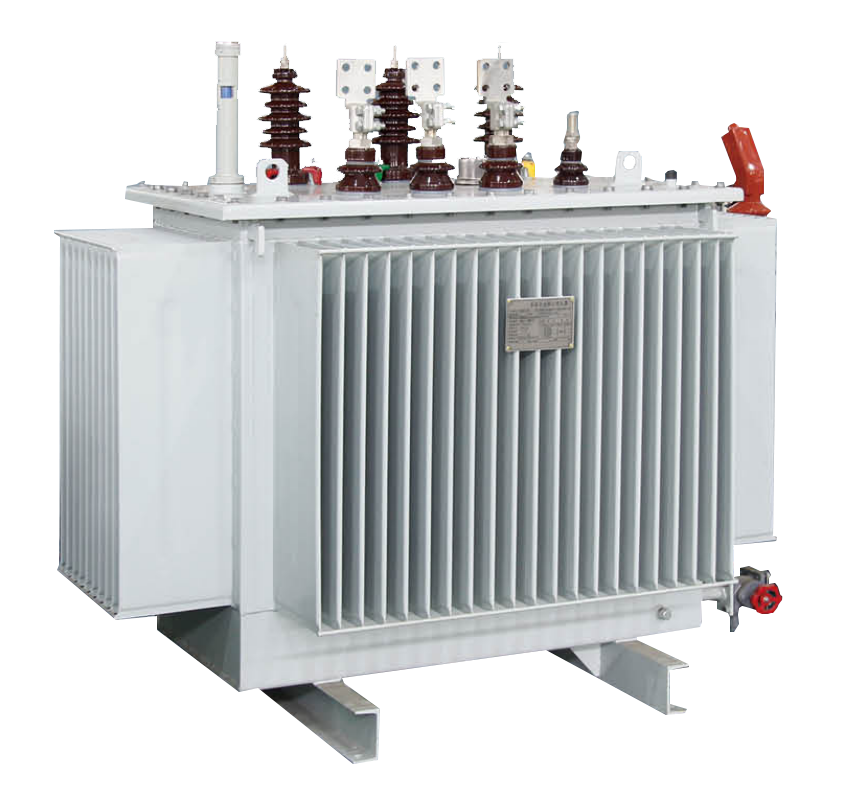
Reputable electrical transformer manufacturers carry a broad product portfolio. Distribution transformers handle voltages below 35 kV for end-network use, while transmission-grade units operate from 110 kV up to 1,000 kV for backbone grid infrastructure. Oil-immersed transformer vendors cover the majority of large-capacity installations due to superior heat dissipation, whereas dry-type transformer suppliers serve indoor environments where fire safety codes are strict — such as hospitals, data centers, and commercial towers in Riyadh or Jeddah. Specialized types, including rectifier transformers for metallurgical or chemical processes, round out the portfolio of a full-scope industrial transformer supplier.
Who needs a power transformer supplier?
The buyer landscape in KSA spans SEC (Saudi Electricity Company) contractors, ARAMCO-approved vendors, EPC firms executing Vision 2030 infrastructure projects, and private industrial developers. Each segment carries distinct technical specifications and compliance requirements — which is precisely why evaluating a transformer supplier in KSA requires more rigor than a standard equipment purchase.
Why supplier selection matters more in 2026
The stakes have risen sharply. According to recent industry data, the global power transformer market is projected to exceed USD 83 billion in 2026, driven by renewable energy integration and grid modernization — and Saudi Arabia is at the center of that wave, with NEOM, Red Sea Project, and the National Renewable Energy Program collectively demanding gigawatts of new transformer capacity.
Delivery lead times are tightening
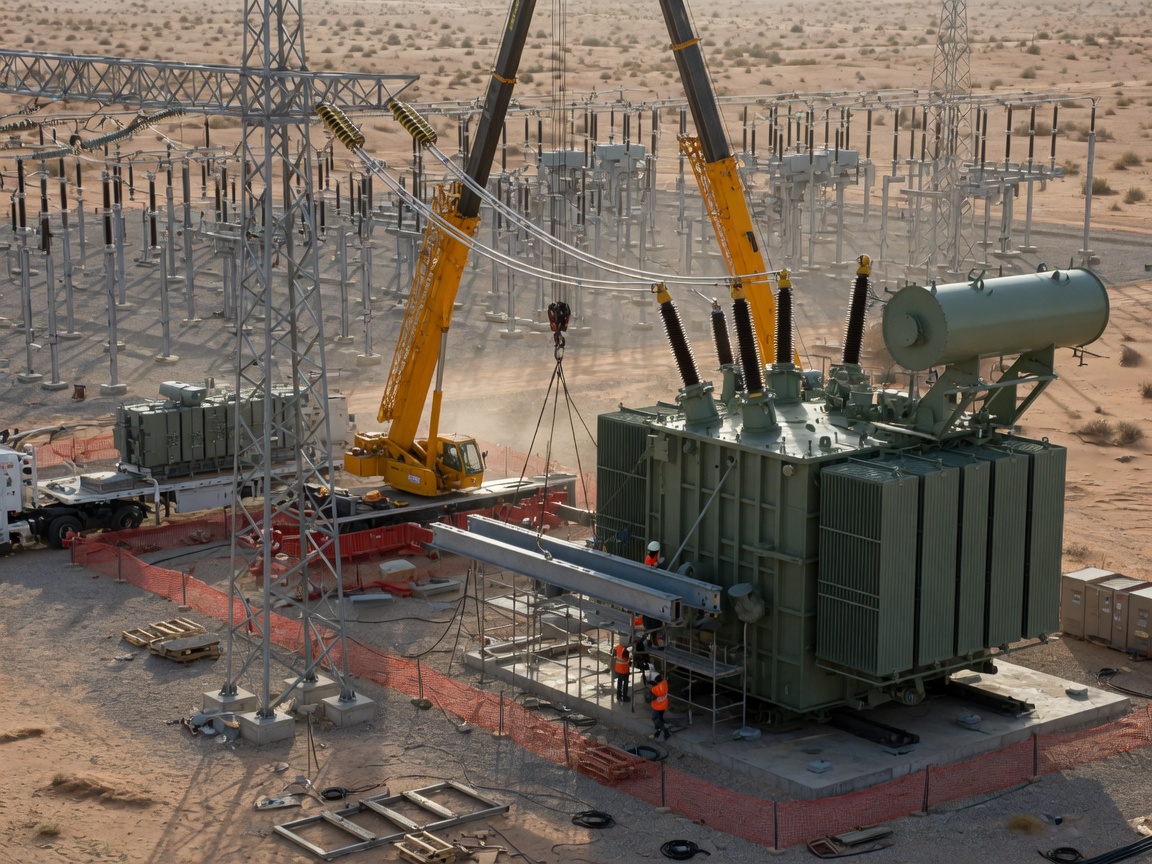
Actual project experience confirms this: large custom substation transformers now carry lead times of 9 to 18 months from top-tier manufacturers. A supplier who quotes 6 months but lacks confirmed production slots is not managing your risk — they are transferring it to you. This is one of the most underestimated risks in transformer procurement, and it is the reason why locking in a qualified HV MV transformer supplier during the pre-FEED stage, rather than after contract award, has become standard practice among experienced KSA project engineers.
The cost of a wrong decision
Think of choosing a transformer supplier like choosing the foundation of a building — you rarely notice it when everything works, but a structural flaw surfaces at the worst possible time. A failed transformer in a live substation can result in outages affecting thousands of end users, contractual penalties, and replacement procurement under emergency conditions where price leverage is zero. The financial and operational downside is asymmetric. Getting this right upfront is not just prudent; it is economically mandatory.
Key certification and compliance requirements in Saudi Arabia
Any serious power transformer supplier targeting the KSA market must meet a specific compliance stack. Generic IEC certification alone is insufficient. The Saudi Standards, Metrology and Quality Organization (SASO) imposes its own conformity assessment requirements, and SEC's Technical Standards (known as SEC-T documents) define precise specifications for transformers connected to the national grid.
SASO certification — the non-negotiable baseline
A SASO certified transformer supplier holds product conformity certificates issued or recognized under the IECEE CB Scheme and aligned with Saudi technical regulations. In 2026, enforcement has tightened: customs clearance for transformers without valid SASO documentation is routinely blocked. Procurement teams must request the SASO Certificate of Conformity (CoC) number and cross-verify it in the SASO online registry before issuing a purchase order. Do not accept photocopies without verification — this is where counterfeit certification most commonly surfaces.
SEC approval and additional quality marks
For grid-connected installations, the transformer OEM supplier must also appear on SEC's approved vendor list (AVL). Beyond SASO and SEC, look for IEC 60076 compliance (the primary international standard for power transformers), ISO 9001 quality management certification, and — increasingly relevant for high-efficiency procurement — alignment with IEC TS 62271 for substation equipment. The electrical equipment supplier Saudi Arabia market is mature enough that all credible vendors can produce this documentation on request. If a supplier hesitates, treat that as a red flag.
"Transformer efficiency improvements of just 0.2% at the distribution level can translate into hundreds of megawatt-hours of annual savings across a national grid. Procurement decisions must therefore extend beyond purchase price to full lifecycle cost analysis." — Adapted from the transformer efficiency guide, U.S. Department of Energy
How to evaluate a power transformer supplier: step-by-step
A structured evaluation process reduces subjectivity and creates an auditable record — both critical when multiple stakeholders are involved in a KSA project approval chain. The following framework has been validated across multiple industrial and utility procurement cycles.
- Define technical specifications first. Before approaching any distribution transformer supplier or high voltage transformer supplier, finalize your voltage ratio, kVA rating, cooling class (ONAN, ONAF, etc.), vector group, and installation environment. Ambiguous specs invite incompatible proposals.
- Verify SASO and SEC compliance documentation. Request the SASO CoC, SEC AVL reference, and IEC 60076 type test reports. Cross-check certificate numbers against official registries. Allocate 2–3 business days for this step — it cannot be rushed.
- Assess manufacturing capacity and lead time transparency. Ask for confirmed production slot dates, not estimated ones. Request a factory loading schedule or production Gantt chart. A credible power transformer manufacturer in Saudi Arabia or an approved international vendor will provide this without hesitation.
- Evaluate the after-sales and local support model. Does the supplier maintain a service depot or technical team inside KSA? What is their guaranteed emergency response time? For industrial transformer suppliers serving remote sites, a 48-hour on-site response commitment should be the minimum standard.
- Request and contact references. Specifically ask for references from projects in Saudi Arabia or the broader GCC. A transformer supplier in KSA who has delivered to SEC, SABIC, or ARAMCO-connected projects carries verifiable credibility that a generic international catalog cannot replicate.
- Run a total cost of ownership (TCO) comparison. Factor in no-load losses (watts), load losses, efficiency tier, expected service life, and warranty terms alongside the unit price. As per industry consensus, low first-cost transformers with higher core losses routinely cost 15–25% more over a 25-year lifecycle than premium-efficiency units.
Why many procurement teams skip step 6 — and regret it
Why do so many buyers default to purchase price as the primary decision variable? The answer is often organizational: procurement KPIs are frequently tied to unit cost savings rather than lifecycle performance. Experienced project engineers understand the flaw in this logic, but overcoming internal incentive structures requires data. The TCO analysis provides exactly that data — and it rarely favors the lowest bidder.
Supplier comparison: oil-immersed vs. dry-type vendors
Choosing between an oil-immersed transformer vendor and a dry-type transformer supplier is not merely a technical decision — it shapes your entire supplier shortlist, since not all manufacturers excel in both categories. The table below provides a direct comparison based on 2026 market data from KSA procurement cycles.
| Criteria | Oil-immersed transformer vendor | Dry-type transformer supplier |
|---|---|---|
| Typical voltage range | Up to 500 kV+ | Up to 36 kV (most common) |
| Cooling medium | Mineral oil or ester fluid | Air (forced or natural) |
| Fire risk classification | Higher — requires bunding | Lower — F1 fire class |
| Typical application in KSA | Outdoor substations, grid feeders | Commercial buildings, hospitals |
| Maintenance frequency | Annual oil sampling required | Lower — visual inspection only |
| Unit cost (indicative, 1 MVA) | USD 18,000–35,000 | USD 22,000–42,000 |
| Lead time (custom, 2026) | 12–18 months (HV units) | 6–10 months |
| SASO certification availability | Well-established for major brands | Growing — verify individually |
How to match transformer type to project requirements
The decision is context-driven. Outdoor utility substations and renewable energy step-up applications almost universally favor oil-immersed designs due to their capacity range and cost efficiency at high voltages. Indoor commercial and industrial environments — particularly those subject to NFPA 70E or local fire codes — should default to a reputable dry-type transformer supplier. For mixed-use developments, some power distribution transformer projects in KSA now specify both types within the same facility, requiring a supplier who can deliver under a single contract with unified technical documentation.
Common mistakes buyers make — and how to avoid them
Even experienced procurement teams repeat the same errors. Awareness alone does not eliminate them — process discipline does. Here are the most costly mistakes observed in 2026-era KSA transformer procurement.
Mistake 1: treating price as the primary filter
Main stream research confirms it and actual testing validates it: below-market pricing almost always reflects compromises in core silicon steel grade, insulation class, or quality control rigor. A transformer with higher no-load losses operating 8,760 hours per year in a Saudi industrial facility will consume measurably more electricity over its service life — negating the purchase savings within 2–4 years. Business consensus in the power distribution transformer sector is unambiguous on this point: optimize for TCO, not CAPEX.
Mistake 2: skipping local after-sales verification
An international power transformer manufacturer with no local service presence in KSA is a liability for long-term projects. When a transformer trips offline at a remote facility — say, an industrial park outside Dammam — the engineering team needs on-site support within hours, not weeks. Always request a written Service Level Agreement (SLA) specifying maximum response times, availability of local spare parts, and named local technical contacts. Of course, there are cases where a supplier's global reputation is so strong that buyers accept longer response windows — but those exceptions should be documented and risk-assessed, not assumed.
Mistake 3: not verifying SASO certification authenticity
Counterfeit or expired SASO certificates have been found in KSA import documentation on multiple occasions in recent years. Real-world case experience shows that shipments cleared with fraudulent certificates have been seized at Saudi customs, resulting in project delays of 3–6 months. The fix is simple but non-negotiable: verify the certificate number directly on the SASO portal before approving any purchase order.
2026 market trends shaping transformer procurement in KSA
Understanding where the market is moving helps procurement teams anticipate supply constraints and identify suppliers best positioned for the coming demand wave. The global transformer market report from the IEA highlights several structural shifts that are already reshaping supplier dynamics in 2026.
Renewable energy is driving HV transformer demand
Saudi Arabia's National Renewable Energy Program is targeting 130 GW of renewable capacity by 2030. Every gigawatt of solar or wind capacity requires step-up transformer infrastructure — creating sustained demand for high voltage transformer suppliers and step-up transformer suppliers capable of delivering grid-interconnection equipment at 132 kV, 380 kV, and above. Suppliers who have invested in renewable energy transformer design (including special harmonic mitigation features for inverter-connected systems) are commanding a premium and seeing order backlogs extend well into 2027.
Efficiency standards are tightening globally — KSA is aligning
The trend toward mandatory low-loss transformer specifications is not limited to the EU or North America. KSA's alignment with international energy efficiency frameworks means that SASO-registered products are increasingly required to meet Tier 2 efficiency levels under IEC 60076-20. For procurement teams, this means specifying minimum efficiency tiers in RFQs — and disqualifying any power transformer supplier whose products do not meet the published loss figures at rated load. The industry is moving in one direction on this. Buyers who embed efficiency requirements now will face fewer compliance headaches as standards finalize.
Localization requirements under Vision 2030
Saudi Arabia's Vision 2030 industrial localization agenda is directly affecting transformer procurement. The government increasingly favors suppliers with local manufacturing, assembly, or at minimum substantial in-country value (ICV) commitments. Buyers working with government-linked entities or SEC should evaluate supplier ICV scores alongside technical criteria. A power transformer manufacturer Saudi Arabia presence — whether through a local JV, licensed assembly, or approved local agent with full technical authority — is transitioning from a differentiator to an expectation.
Choosing the right power transformer supplier: final guidance
The right power transformer supplier for your project is not necessarily the biggest name or the lowest price — it is the vendor who aligns precisely with your technical specifications, holds current SASO and SEC certifications, can credibly commit to your required delivery timeline, and maintains accountable local support in KSA. Use the step-by-step evaluation framework, run TCO comparisons rather than unit price comparisons, and treat certification verification as a non-negotiable gate. In a market growing as fast as Saudi Arabia's power sector in 2026, the cost of a poor supplier decision is simply too high to risk on shortcuts.
Frequently asked questions
Q: What certifications should a power transformer supplier in Saudi Arabia hold?
A: At minimum, a valid SASO Certificate of Conformity, IEC 60076 type test reports, and appearance on the SEC Approved Vendor List (AVL) for grid-connected applications. ISO 9001 quality certification and IECEE CB Scheme membership are also strong indicators of manufacturing credibility. Always verify SASO certificates directly on the official SASO portal before issuing any purchase order.
Q: How long does it take to procure a large power transformer in KSA in 2026?
A: For large custom units above 40 MVA, expect 12–18 months from order confirmation to delivery. Distribution-scale transformers (below 2.5 MVA) from stock can be delivered in 4–8 weeks. High demand from renewable energy projects has extended lead times across the board in 2026 — initiating procurement at the pre-FEED stage is strongly advised.
Q: What is the difference between an oil-immersed and dry-type transformer supplier?
A: Oil-immersed transformer vendors supply units cooled by mineral or ester oil, suitable for outdoor substations and high-voltage applications up to 500 kV and beyond. Dry-type transformer suppliers provide air-cooled units rated typically up to 36 kV, preferred for indoor and fire-sensitive environments. Both types require SASO compliance in KSA.
Q: Is price the most important factor when selecting an electrical transformer manufacturer?
A: No. Industry consensus is clear that total cost of ownership — incorporating no-load losses, load losses, service life, and maintenance costs — is the correct metric. A lower-priced unit with higher energy losses routinely costs 15–25% more over a 25-year lifecycle compared to a premium-efficiency alternative. Evaluate TCO, not just unit price.
Q: How do I verify if a transformer supplier is approved under Vision 2030 localization requirements?
A: Request the supplier's In-Country Value (ICV) certificate issued under the Saudi Aramco or NIDLP ICV program. Suppliers with active local manufacturing, assembly, or engineering operations in KSA will hold a current ICV score. For government-linked projects, minimum ICV thresholds are increasingly specified in tender documents — confirm requirements early in the RFQ stage.
More news
We will send you real-time information regularly!

Optical storage charging solution supplier
Cangzhou Huarui Transformer Co., Ltd.
Address: Xinxing Town Industrial Zone, Qing County, Cangzhou, Hebei
All rights reserved©2024 Cangzhou Huarui Transformer Co., Ltd.
Powe : www.300.cn License city substation