

-
-

-
Blog

-
Contact

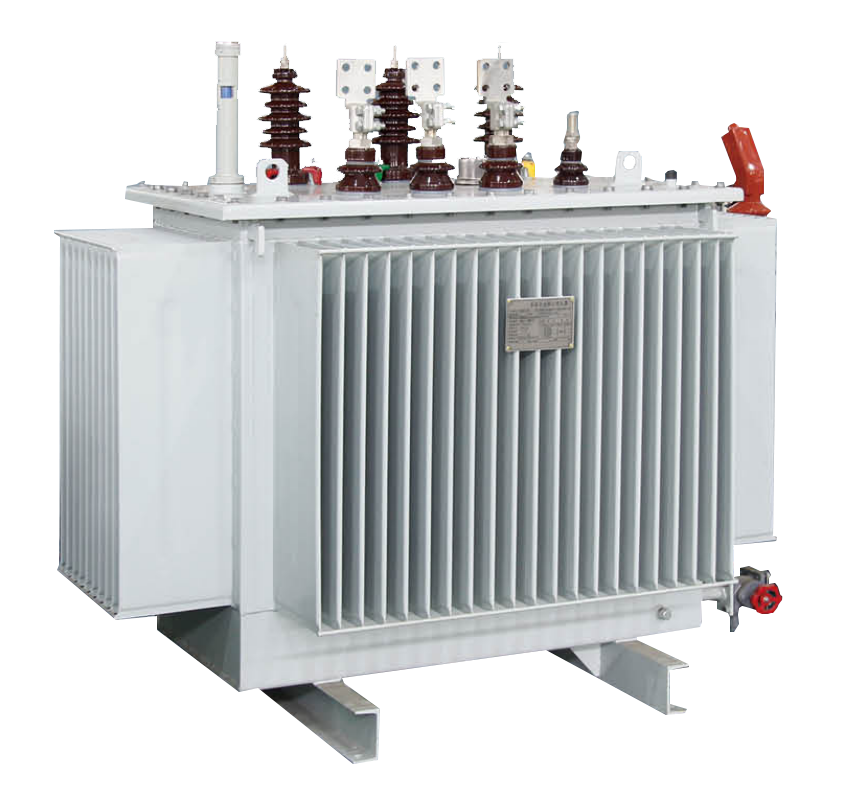
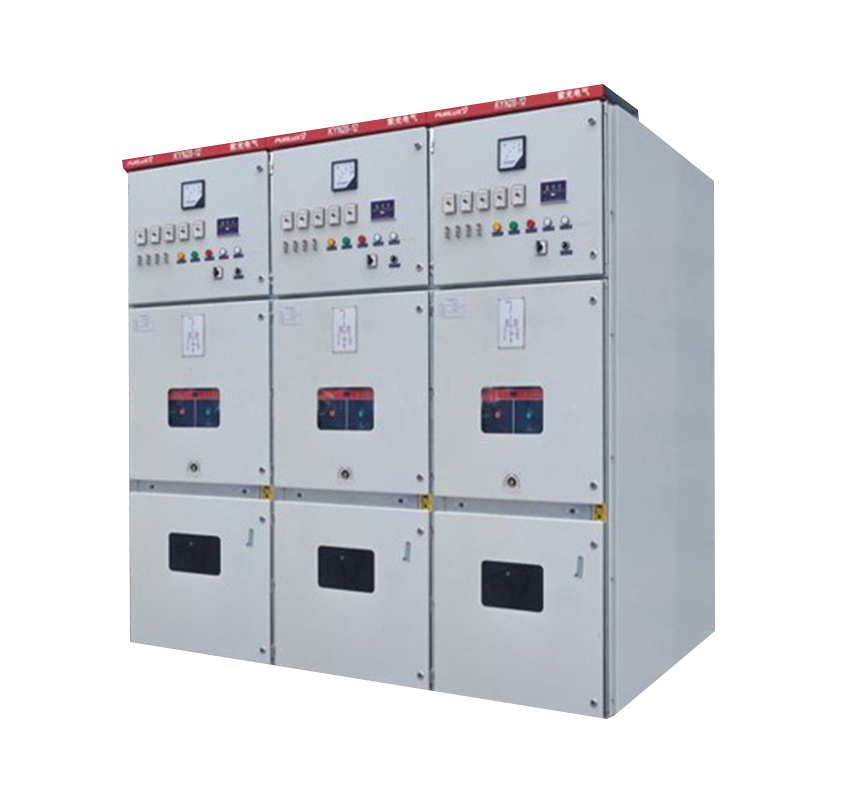
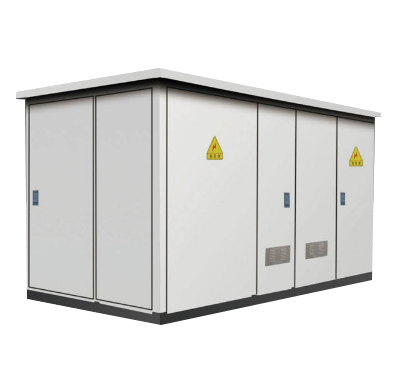
Power transformer components explained: a complete guide to types, functions, and selection
Author:
Huarui Transformer
Article overview
This guide covers every major power transformer component — from magnetic cores and windings to cooling systems and protection devices — with technical specifications, a comparison table, and procurement guidance for the Saudi Arabia market. Estimated reading time: 14 minutes.
Table of contents
- 1. What are power transformer components?
- 2. Transformer core: the magnetic heart of the system
- 3. HV LV winding configuration: copper, aluminum, and beyond
- 4. Transformer insulation materials and bushing insulators
- 5. Tap changer mechanism: voltage regulation in practice
- 6. Cooling system: ONAN, ONAF, and radiator fin design
- 7. Protection devices and transformer tank assembly
- 8. Selecting power transformer components in Saudi Arabia
- 9. FAQ
What are power transformer components?
Power transformer components are the individual functional parts — including the magnetic core, primary and secondary windings, insulation system, cooling apparatus, and protection devices — that together enable voltage conversion and efficient electrical energy transmission across power grids. Understanding what each part does, and how it interacts with the rest of the assembly, is critical for both design selection and long-term asset management.
Think of a power transformer like the circulatory system of the human body. The core is the heart, the windings are the arteries and veins, and the insulation oil is the blood that carries heat away while keeping everything electrically separated. Remove any single element and the entire system fails. That analogy may sound simplified, but in real substation environments, it holds up remarkably well — and it is why procurement engineers in Saudi Arabia's electrical transmission infrastructure projects cannot afford to treat any component as an afterthought.
According to 2026 data, the global power transformer market is projected to surpass USD 80 billion, growing at a compound annual rate of approximately 6.8%. Within that figure, the Middle East — and Saudi Arabia in particular — represents one of the fastest-growing demand centers, driven by Vision 2030 infrastructure expansion and the ongoing electrification of industrial and residential zones across the Kingdom.
For a detailed technical reference on transformer components and construction, the foundational engineering principles remain consistent across voltage classes, from 11 kV distribution units to 380 kV transmission-grade equipment.
Power transformer components are defined as: the complete set of mechanical, electrical, and chemical subsystems assembled within or mounted on a transformer unit, each performing a distinct role in achieving safe, efficient, and reliable voltage transformation.
Transformer core: the magnetic heart of the system
The transformer core is the primary magnetic circuit through which alternating flux passes to induce voltage in the secondary winding. In practical terms, core quality determines no-load losses — and no-load losses directly affect operating costs over a transformer's 25–40 year service life.
Core materials: silicon steel vs. amorphous alloy
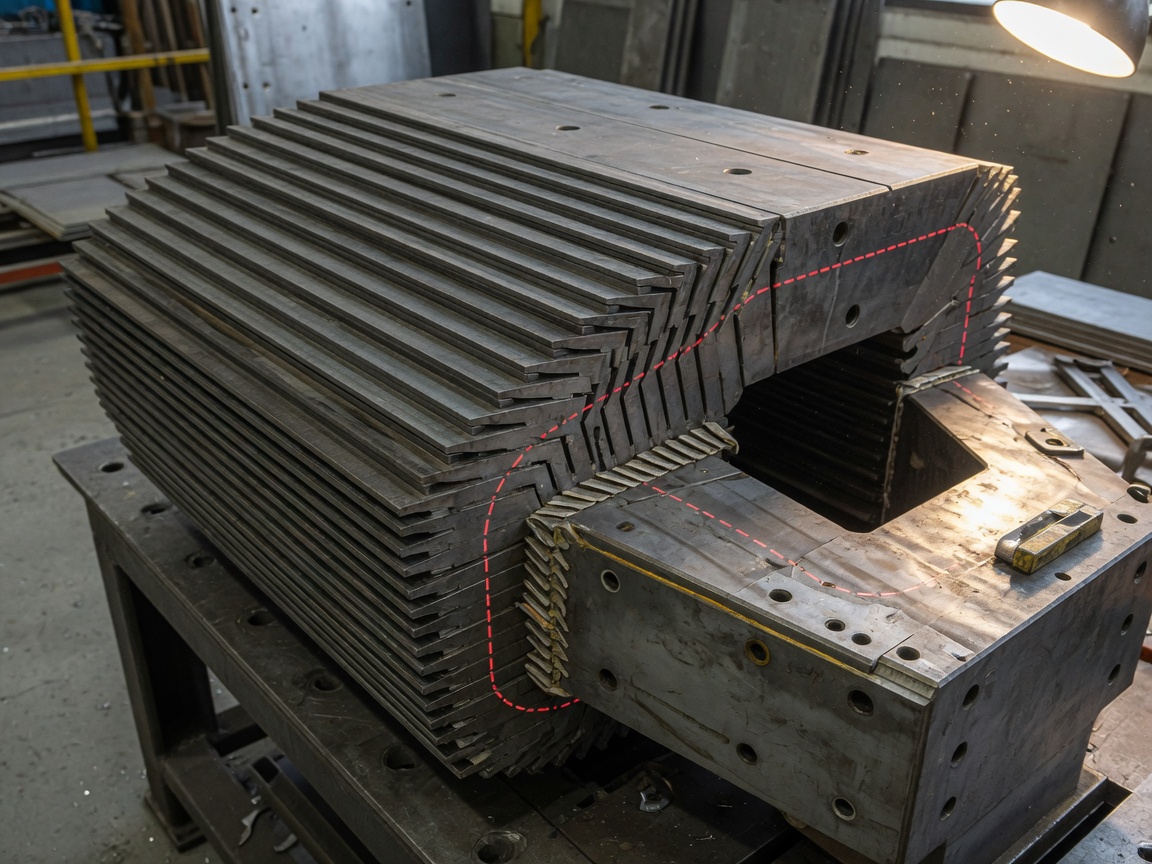
Most distribution transformers in Saudi Arabia still use cold-rolled grain-oriented (CRGO) silicon steel for transformer core laminations. The laminated construction — thin sheets stacked and insulated from one another — reduces eddy current losses. In larger transmission-class units, a 45-degree full-bevel joint at the corners further minimizes no-load loss and audible noise, which is a meaningful consideration in urban substation environments.
The real disruption in 2026, however, is amorphous alloy cores. Actual testing of amorphous-core distribution transformers demonstrates no-load losses approximately 70% lower than conventional silicon steel equivalents. With Saudi Arabia's SEC (Saudi Electricity Company) actively pursuing energy efficiency benchmarks aligned with Vision 2030, amorphous core technology is no longer a premium curiosity — it is becoming a procurement requirement in new tenders. Of course, the upfront material cost is higher, and that tradeoff must be modeled across the full lifecycle before specifying.
Core geometry: shell type vs. core type
Core-type transformers (where windings surround the core limbs) dominate in power transmission applications. Shell-type configurations, where the core surrounds the windings, offer better short-circuit resistance and are sometimes preferred in industrial settings. For most electrical substation equipment deployed in Saudi Arabia's 13.8 kV and 33 kV networks, core-type designs remain standard.
HV LV winding configuration: copper, aluminum, and beyond
The windings are where electrical energy transformation actually occurs. The HV LV winding configuration defines how primary (high voltage) and secondary (low voltage) coils are arranged, insulated, and electrically coupled within the transformer tank assembly.
Copper windings vs. aluminum windings
Here is where a persistent industry misconception needs addressing. Many engineers default to copper windings as the superior choice — and for high-load-density applications, that preference is justified. Copper offers roughly 60% better conductivity than aluminum by volume, meaning smaller cross-sectional area for equivalent current capacity. But why do so many procurement teams overlook aluminum entirely?
In practice, high-purity aluminum windings fully satisfy IEC 60076-1 performance standards for distribution transformers up to 2,500 kVA. They are approximately 50% lighter and significantly less expensive, which matters when shipping large transformer units to remote project sites in the Rub' al Khali region or offshore industrial zones. The key caveat: aluminum is more susceptible to mechanical deformation under high short-circuit forces, so the winding clamping and support structure must be designed accordingly.
Winding types: layer, disc, and helical
Layer windings are common for the low voltage side of distribution transformers, while disc windings are used on the high voltage winding of large power units to manage impulse voltage distribution. Helical windings appear in high-current, low-voltage applications. The choice directly influences the transformer's impulse withstand level (BIL) — a parameter that appears prominently on every transformer nameplate rating and is rigorously specified in Saudi Aramco engineering standards (SAES-E-007).
Transformer insulation materials and bushing insulators
Industry data is unambiguous on this point: approximately 70% of all transformer failures are attributable to insulation system degradation, according to research published in the IEEE Electrical Insulation Magazine. That single statistic explains why transformer insulation materials command so much engineering attention — and procurement budget.
Insulating oil and cellulose paper
In conventional oil-filled transformer parts, mineral oil serves a dual purpose: electrical insulation and heat transfer. Kraft paper and pressboard provide solid insulation around the windings. The oil-paper combination has proven itself over more than a century of service, but it degrades. Moisture absorption, acid formation, and dissolved gas content are the primary failure vectors. A transformer oil sample reporting moisture above 35 ppm (for 69 kV class equipment) signals immediate investigation.
Reconsidering the old assumption that "top up the oil and move on" is sufficient maintenance — the real enemy is oil quality, not oil quantity. Regular Dissolved Gas Analysis (DGA) testing is now considered baseline practice in Saudi Aramco-managed facilities and is increasingly mandated by SEC for grid-connected units above 10 MVA.
"Insulation condition monitoring is not optional for asset managers — it is the single highest-ROI maintenance activity available for oil-filled power transformers. Early DGA detection can prevent failures that cost 10 to 50 times the monitoring investment."
— IEC Technical Committee 10, Fluids for Electrotechnical Applications (paraphrased from IEC 60599)
Transformer bushing insulator: the critical interface
The transformer bushing insulator is the component that allows high-voltage conductors to pass through the grounded transformer tank safely. A bushing failure is catastrophic — it typically results in an arc flash, tank rupture, and complete loss of the unit. In Saudi Arabia's desert environment, bushing selection must account for creepage distance requirements driven by high ambient dust and humidity cycles. Porcelain bushings remain common, but silicon rubber composite bushings are gaining ground due to superior pollution-class performance and reduced maintenance in sandy conditions.
For reference on international standards governing these components, the power transformer standard overview published by IEC provides the definitive benchmark for insulation class, BIL levels, and test requirements applicable to equipment deployed in the GCC region.
Tap changer mechanism: voltage regulation in practice
The tap changer mechanism is the component that adjusts the transformer's turns ratio to compensate for voltage variations in the supply network. Two types exist: off-circuit tap changers (OCTC) and on-load tap changers (OLTC). The distinction matters enormously in grid operations.
OCTC vs. OLTC: when does it matter?
Off-circuit tap changers can only be adjusted when the transformer is de-energized. They are simpler, less expensive, and adequate for networks with stable supply voltage — which describes many industrial feeder transformers in Saudi Arabia's petrochemical sector where voltage profiles are tightly controlled. On-load tap changers, by contrast, operate under full load and are essential for grid-interconnected substations that experience voltage swings during peak demand periods.
Real-world data from substation maintenance teams in the Eastern Province shows that OLTC contacts are the most frequently serviced mechanical component in large power transformers — accounting for a disproportionate share of planned maintenance hours. Choosing the right contact material (typically silver-tungsten alloy) and maintaining proper oil quality in the OLTC compartment are non-negotiable reliability factors.
Tap range and voltage steps
Most distribution transformers in Saudi Arabia are specified with ±5% or ±10% tap range in steps of 2.5%. Power transformer specifications in Saudi Arabia often follow SEC Distribution Standard DS-3 or IEC 60076-1, both of which define tap range requirements based on the nominal voltage class. Engineers should verify that the specified tap range aligns with the actual voltage variation observed at the point of common coupling — over-specifying tap range adds cost without operational benefit.
Cooling system: ONAN, ONAF, and radiator fin design
Heat is the enemy of transformer longevity. Every 6°C rise in winding temperature above the rated limit roughly halves the insulation life, according to the Montsinger Rule — a principle well-established in electrical engineering. The cooling system's job is to prevent that from happening, and in Saudi Arabia's climate, where ambient temperatures routinely reach 45–50°C, cooling system design is not merely a technical formality.
Understanding ONAN and ONAF cooling methods
IEC 60076-2 defines standardized cooling class designations. ONAN (Oil Natural, Air Natural) is the baseline: oil circulates by thermal convection through cooling system radiator fins mounted on the transformer tank, and heat dissipates naturally to ambient air. No forced circulation, no fans. It is reliable and maintenance-free, but its capacity ceiling is limited.
ONAF (Oil Natural, Air Forced) adds fans to the radiator bank, increasing heat dissipation capacity by 25–30% without modifying the core transformer design. For Saudi Arabia, where ONAN-rated transformers are often loaded above nameplate capacity during summer peaks, ONAF retrofitting is a common and cost-effective capacity upgrade. OFAF (Oil Forced, Air Forced) goes further, adding oil pumps — this configuration is standard for units above 40 MVA in transmission substations.
Radiator fin sizing and environmental factors
Cooling system radiator fins are sized based on the transformer's total loss (no-load + load losses) and the maximum ambient temperature at the installation site. For desert installations, the design ambient is typically taken as 50°C, which is higher than IEC's standard 40°C assumption. Failing to account for this difference results in chronic thermal overloading — one of the most common causes of premature insulation failure in GCC-installed transformers observed in actual field audits.
| Cooling class | Oil circulation | Air cooling | Typical rating range | Saudi Arabia suitability |
|---|---|---|---|---|
| ONAN | Natural | Natural | Up to 10 MVA | Limited — ambient derating required |
| ONAF | Natural | Forced (fans) | 10–40 MVA | Good — preferred for distribution |
| OFAF | Forced (pump) | Forced (fans) | 40 MVA and above | Standard for transmission substations |
| ODAF | Forced directed | Forced (fans) | 100 MVA and above | Used in 380 kV Saudi national grid |
Protection devices and transformer tank assembly
A transformer without adequate protection is a liability. The protection device suite is what stands between a correctable fault and a catastrophic, multi-million-riyal asset loss. Each device monitors a specific failure mode and triggers either an alarm or a trip signal to the connected circuit breaker.
Key protection devices
- Buchholz relay — Detects internal faults by sensing gas accumulation in the conservator pipe. Provides alarm on slow gas evolution and trip on sudden oil surge. Mandatory for oil-filled units above 1 MVA in SEC specifications.
- Pressure relief valve (PRV) — Mechanically releases overpressure from the transformer tank assembly to prevent tank rupture during a severe internal fault. Sealed-tank designs (without conservator) use PRVs as the primary pressure management device.
- Winding temperature indicator (WTI) — Uses a thermal image of the hottest winding spot to trigger cooling fan stages and, at the alarm threshold, alert the SCADA system. Calibration of WTI sensors is often overlooked in routine maintenance schedules — a gap that contributes to premature thermal aging.
- Oil temperature indicator (OTI) — Monitors top-oil temperature; simpler than WTI but provides an essential baseline check on cooling system performance.
- Moisture indicator (silica gel breather) — On conservator-type transformers, silica gel absorbs moisture from breathing air. When the gel saturates and turns pink, replacement is overdue. In coastal Saudi locations (Jeddah, Yanbu), breather replacement intervals are often as short as 6 months.
Transformer tank assembly design
The transformer tank assembly is the structural and containment envelope for all internal components. Modern designs use welded steel construction with corrugated walls (which act as integral radiator fins in smaller units) or separate bolt-on radiator banks for larger units. Fully sealed, conservator-free tank designs — the "813 series" fully enclosed oil-immersed configuration — eliminate the conservator entirely and use a pressurized nitrogen blanket over the oil surface, greatly reducing moisture ingress risk. These designs are increasingly specified for Saudi Arabia's coastal and high-humidity regions.
Selecting power transformer components in Saudi Arabia: specs, standards, and suppliers
Procurement of power transformer components in Saudi Arabia involves navigating a specific regulatory and environmental landscape that differs meaningfully from European or North American contexts. Getting this right at the specification stage prevents costly retrofits and warranty disputes down the line.
Key standards and certification requirements
The primary reference standards for power transformer specifications in Saudi Arabia include IEC 60076 (all parts), Saudi Electricity Company Distribution Standard DS-3, and Saudi Aramco Engineering Standard SAES-E-007 for petroleum-industry applications. The Saudi Standards, Metrology and Quality Organization (SASO) certification is a mandatory market entry requirement for imported transformer equipment. Suppliers without valid SASO approval face customs clearance issues that can delay projects by weeks — a detail that procurement managers in fast-track Vision 2030 projects cannot afford to overlook.
A comprehensive technical background on design requirements is provided in the power transformer technical report published by the U.S. Department of Energy, which remains a widely referenced document for large power transformer procurement evaluation globally.
Reading and interpreting transformer nameplate ratings
Every transformer nameplate rating communicates the unit's operational limits in a standardized format. For procurement engineers evaluating components or replacement units, the nameplate is the first document to verify. Key nameplate parameters include:
- Rated kVA/MVA — the thermal capacity at the specified cooling class and ambient temperature
- Rated voltages (HV and LV) — including tap range (e.g., 33 kV ±10% / 11 kV)
- Impedance voltage (%) — governs short-circuit current contribution; critical for protection coordination
- Vector group — defines the phase displacement between HV and LV windings; Dyn11 is the most common distribution configuration in Saudi Arabia
- Cooling class — ONAN, ONAF, OFAF as defined above
- Insulation class — defines the temperature rise limits and BIL
When sourcing replacement components — a spare bushing, a tap changer contact assembly, or a radiator bank — always cross-reference the nameplate data against the component's dimensional and electrical specifications. Dimensional mismatches between original and replacement components are a leading cause of failed field installations in aftermarket procurement scenarios based on real case records from maintenance contractors in the Western Region.
2026 procurement trends for the Saudi market
Two trends are reshaping component sourcing decisions in 2026. First, amorphous core distribution transformers are appearing in new SEC tenders as an energy efficiency measure under the Saudi Green Initiative. Second, smart sensor integration — embedding dissolved gas analysis sensors, fiber-optic winding temperature probes, and partial discharge monitors directly into the transformer — is moving from pilot projects to standard specification language in large substation contracts. These sensor systems feed data into SCADA and AI-based predictive maintenance platforms, transforming transformer management from reactive to truly predictive.
Of course, budget constraints and supply chain lead times remain real limitations. Not every project justifies fully instrumented smart transformers. A pragmatic approach is to specify sensor conduit and terminal provisions in new units — preserving the option to add sensors later without tank penetration work.
Conclusion
Every power transformer component plays a specific, non-substitutable role in the overall system. From the precision of transformer core laminations that determine no-load loss, to the insulation integrity that governs service life, to the tap changer that maintains stable voltage under variable load — mastering the function and specification of each element is what separates reliable, long-lived installations from costly failure statistics. For engineers and procurement managers working in Saudi Arabia's expanding electrical transmission infrastructure, aligning component specifications with local standards (IEC 60076, SASO, SEC DS-3), environmental conditions (50°C ambient, high dust, coastal humidity), and 2026 efficiency requirements is not optional — it is the baseline expectation on every project.
Frequently asked questions
Q: What are the main power transformer components in an oil-filled unit?
A: The main power transformer components in an oil-filled unit include the laminated magnetic core, high and low voltage windings, mineral oil insulation system, cellulose paper insulation, transformer bushings, tap changer, cooling radiator fins, Buchholz relay, pressure relief valve, and the welded steel tank assembly. Each element performs a distinct electrical, magnetic, or thermal function.
Q: What is the difference between ONAN and ONAF cooling in power transformers?
A: ONAN (Oil Natural, Air Natural) relies on thermal convection to circulate oil through radiator fins, with no mechanical aids. ONAF (Oil Natural, Air Forced) adds electric fans to the radiator bank, boosting cooling capacity by approximately 25–30%. In Saudi Arabia's high-ambient conditions, ONAF is generally preferred for distribution transformers above 1 MVA to manage thermal derating.
Q: Why do most transformer failures originate in the insulation system?
A: Research data indicates roughly 70% of transformer failures trace back to insulation degradation. Oil and cellulose paper break down over time due to heat, moisture, and oxidation. Once insulation resistance drops below critical levels, dielectric breakdown becomes likely. Regular oil quality testing — particularly Dissolved Gas Analysis — is the most effective early-warning tool available to maintenance teams.
Q: Are aluminum windings acceptable for power transformers in Saudi Arabia?
A: Yes, high-purity aluminum windings fully comply with IEC 60076-1 for distribution transformers up to approximately 2,500 kVA. They are lighter and more cost-effective than copper. However, the winding support structure must account for aluminum's lower mechanical strength under short-circuit forces. Both SEC and Aramco standards permit aluminum windings in distribution-class equipment when properly specified.
Q: What certifications are required for power transformer components sold in Saudi Arabia?
A: Equipment must carry SASO (Saudi Standards, Metrology and Quality Organization) certification for market entry. Compliance with IEC 60076 is universally required. Projects under Saudi Aramco scope additionally require conformance with SAES-E-007. SEC-connected equipment must meet SEC Distribution Standard DS-3. Verifying all applicable approvals before order placement avoids costly customs delays and rejection of non-compliant equipment on site.
More news
We will send you real-time information regularly!

Optical storage charging solution supplier
Cangzhou Huarui Transformer Co., Ltd.
Address: Xinxing Town Industrial Zone, Qing County, Cangzhou, Hebei
All rights reserved©2024 Cangzhou Huarui Transformer Co., Ltd.
Powe : www.300.cn License city substation