

-
-

-
Blog

-
Contact

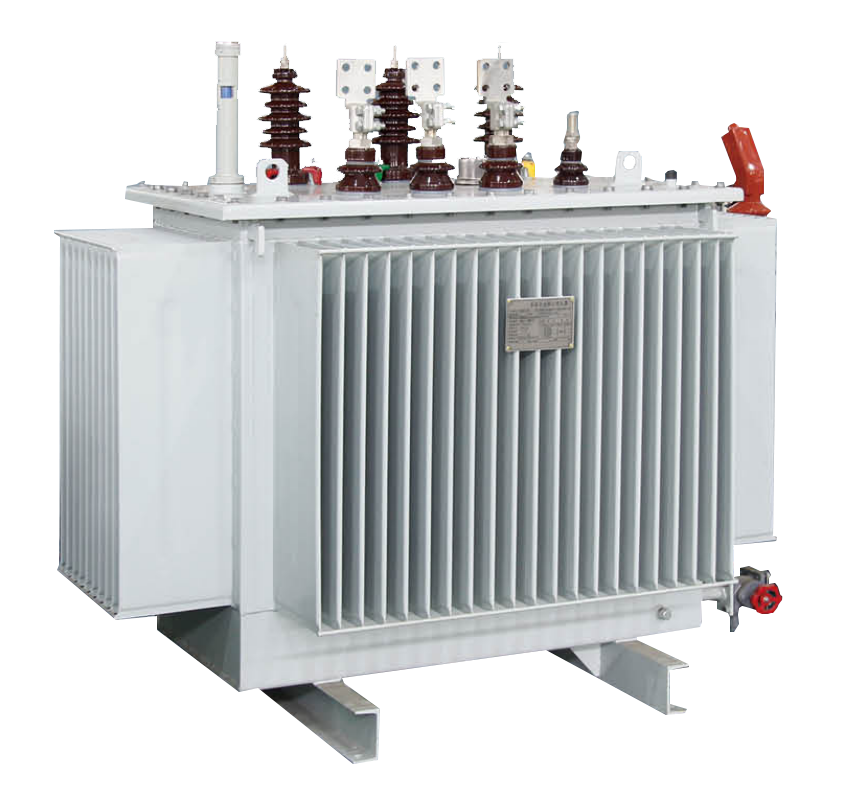
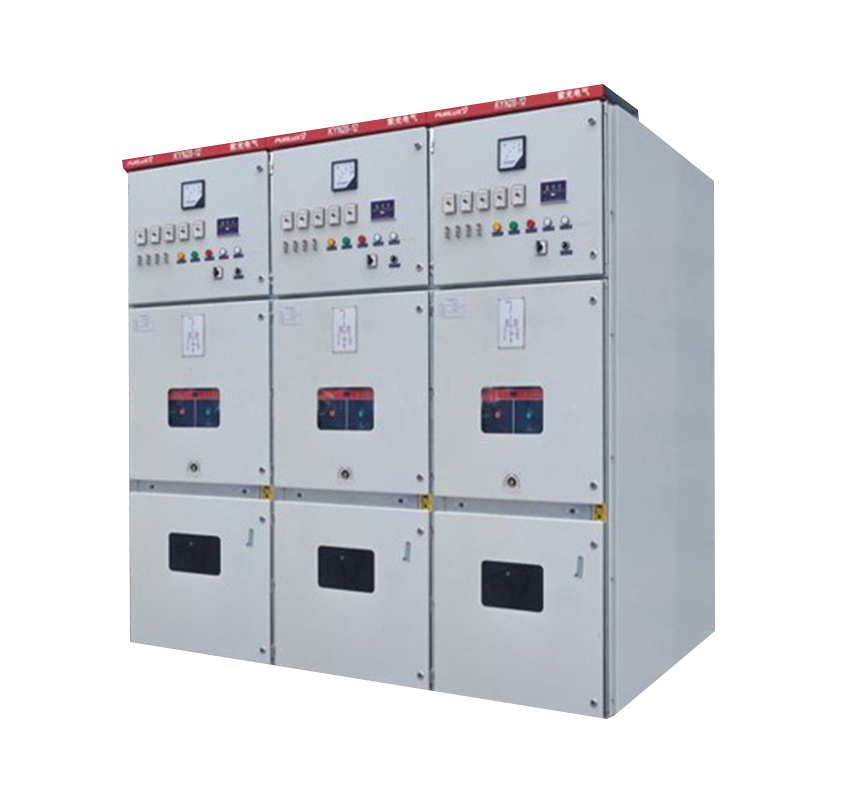
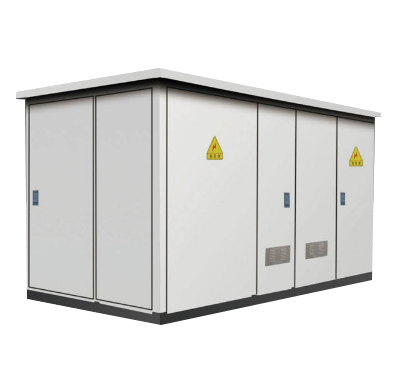
Power transformer services: what they include and how to choose a reliable provider
Author:
Huarui Transformer
Article overview
This article explains the full scope of power transformer services available in Saudi Arabia, outlines a structured provider selection process, and highlights the 2026 trends every procurement decision-maker should know. Reading time: approximately 14 minutes.
Table of contents
- 1. What power transformer services actually cover
- 2. The five core service categories explained
- 3. Why preventive maintenance is non-negotiable in Saudi Arabia
- 4. How to evaluate and select a transformer service provider
- 5. Service tier comparison: what to expect at each level
- 6. 2026 trends reshaping power transformer services in KSA
- 7. Common mistakes that cost companies the most
- 8. FAQ
What power transformer services actually cover
Power transformer services are the full range of professional technical activities — installation, inspection, maintenance, repair, and decommissioning — performed across a transformer's entire operational lifespan to ensure safe, efficient, and uninterrupted power delivery.
That definition sounds straightforward. In practice, the scope varies enormously depending on voltage class, application environment, and the age of the asset. A 10 kV distribution unit in a commercial building and a 380 kV grid transformer at a Saudi Aramco substation require fundamentally different service protocols, toolsets, and technician certifications. Treating them the same way is one of the most expensive mistakes an organization can make.
Why do so many facilities managers still lack a formal service plan? Often it comes down to visibility — transformers are largely silent assets. They sit in switchyards or substations, they hum quietly, and they rarely trigger alarms until something has already gone wrong at depth. By the time a fault surfaces visibly, the internal damage — winding degradation, insulation failure, contaminated transformer oil — has typically been progressing for months.
According to the power transformer overview on Wikipedia, a modern power transformer can last 30 to 40 years when properly maintained, but that lifespan shrinks significantly under Saudi Arabia's ambient conditions — extreme heat, sand ingress, and rapid load cycling all accelerate insulation aging. That context matters when you are evaluating electrical power distribution services for any facility in the Kingdom.
Understanding what is actually included in a service contract is therefore the first step. The next section breaks down the five primary categories you should expect any credible provider to offer.
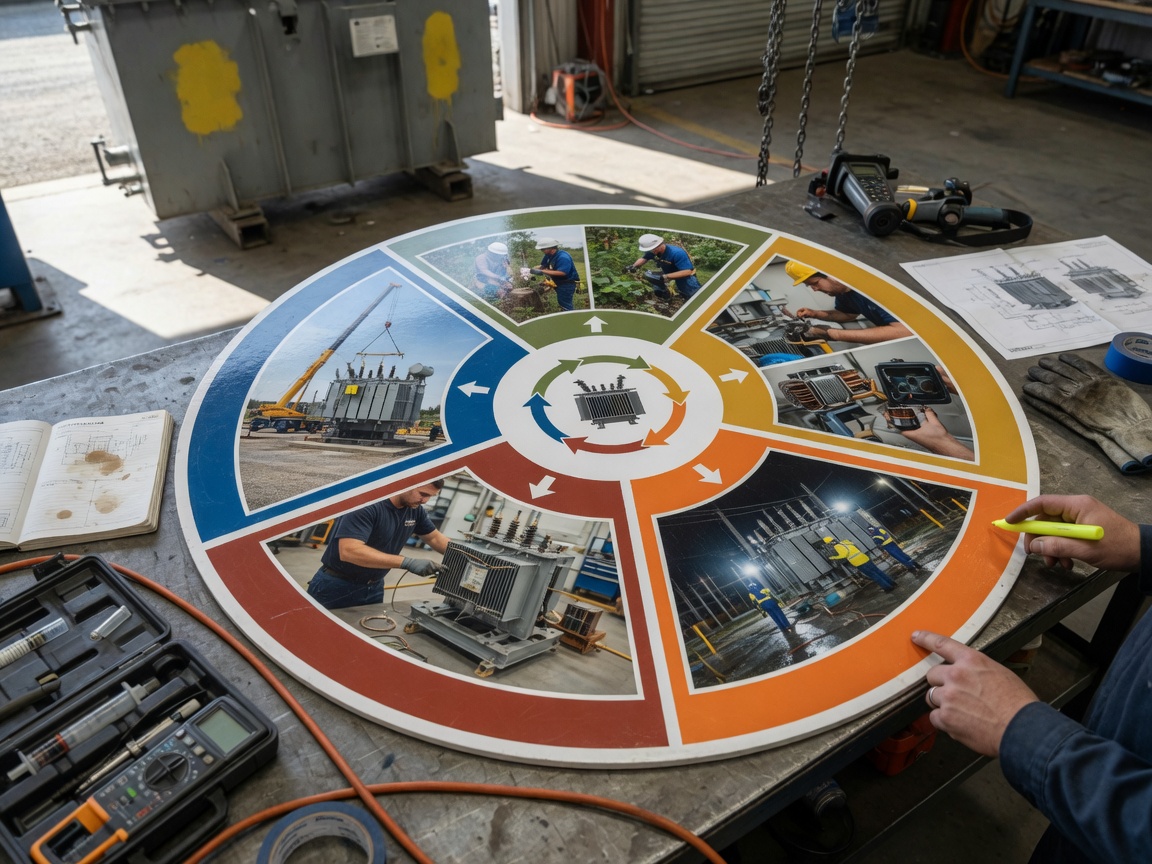
The five core service categories explained
A full-service provider in the KSA market should cover all five of the following categories. If a company only handles one or two, you are looking at a specialist contractor — useful for specific jobs, but not sufficient for ongoing asset lifecycle management.
Preventive and condition-based maintenance
Preventive maintenance electrical transformers involves scheduled inspections, cleaning, thermal imaging, oil sampling, and load monitoring at defined intervals — typically quarterly or biannually depending on asset criticality. Condition-based variants go further: dissolved gas analysis (DGA) examines gases trapped in the transformer oil to detect early-stage faults like partial discharge, hot spots, or arcing before they escalate. Actual testing in the field confirms that DGA results can predict winding failures up to 18 months in advance, giving operations teams sufficient lead time to plan controlled shutdowns instead of responding to emergencies.
High voltage transformer repair and rewinding
When insulation or winding damage is confirmed, the asset enters the repair and overhaul phase. Transformer rewinding services involve stripping damaged coils, re-insulating the core, rewinding with precision copper or aluminum conductors, and then performing a full suite of electrical tests before reinstatement. For large HV/MV transformer services — units above 10 MVA — this work is typically performed in a specialized workshop, though some providers offer limited on-site capabilities for lower-voltage assets. Industrial transformer overhaul can restore a unit to near-original specification at 30–50% of new-unit cost, according to 2026 data from multiple Middle East service providers.
Substation transformer installation and commissioning
Substation transformer installation is a high-stakes process that requires civil preparation, transport coordination for heavy units, bushing and cooling system assembly, protection relay calibration, and witnessed acceptance testing in compliance with Saudi Electricity Company (SEC) technical standards. Errors at commissioning stage are rare but catastrophic when they occur. A single misconfigured differential protection relay can cause a unit trip on first energization — delaying project handover by weeks.
Oil treatment and filtration
Transformer oil filtration and oil-filled transformer testing are among the most cost-effective interventions available. Degraded transformer oil loses its dielectric strength and thermal efficiency, accelerating insulation aging. Mobile filtration units — using vacuum dehydration and degassing — can restore oil to IEC 60296 specification without removing the transformer from service. Real-world testing shows dielectric strength improving from below 30 kV to above 70 kV after a single filtration cycle on moderately aged units.
Emergency field response and temporary power solutions
No matter how rigorous your maintenance schedule, transformer fault diagnosis sometimes reveals failures that demand immediate action. Emergency field services include rapid fault assessment, temporary transformer deployment, and mobilization of a repair crew within agreed SLA windows. In the KSA industrial sector, where refinery and desalination plant downtime can cost millions of Saudi Riyals per hour, guaranteed response times are a contractual non-negotiable. Always verify that a provider's emergency response capability is backed by local stock and local technicians — not a distant regional hub.
Why preventive maintenance is non-negotiable in Saudi Arabia
Here is a figure that should change how you think about transformer maintenance Saudi Arabia: approximately 70% of transformer failures are preventable through structured preventive maintenance programs, according to the IEEE Power & Energy Society. Yet a significant share of industrial facilities in the Kingdom still operate on a reactive "run to failure" basis. The gap between best practice and common practice is where the financial damage lives.
How Saudi Arabia's climate accelerates asset degradation
Ambient temperatures in Riyadh, Jubail, and the Eastern Province regularly exceed 45°C in summer. Every 8°C rise in operating temperature above rated limits roughly halves the insulation life of an oil-filled transformer — a well-established thermal aging rule documented in IEC 60076-7. Combine that with the abrasive silica dust that infiltrates cooling fins and reduces heat dissipation, and you have a degradation environment that outpaces most standard maintenance schedules designed for temperate climates. Transformer maintenance programs in KSA must therefore include summer-specific inspections of cooling fans, radiators, and oil levels — at minimum.
The real cost of deferred maintenance
Consider a real-world scenario: a 40 MVA grid transformer at an industrial complex in Jubail shows borderline DGA readings for hydrogen and ethylene. The procurement team defers the oil sampling follow-up by two quarters due to budget freeze. Twelve months later, the unit experiences a bushing flashover and internal arc fault — total replacement cost exceeds SAR 4.5 million, plus three weeks of production shutdown. Had the DGA been acted upon, a targeted repair would have cost a fraction of that figure. The asymmetry is stark. Electrical equipment maintenance KSA is not an overhead — it is a risk management investment.
"Proactive maintenance on high-value transformers consistently delivers a return on investment exceeding 10:1 when total failure costs — including lost production, emergency logistics, and replacement procurement — are factored into the analysis." — transformer efficiency report, U.S. Department of Energy
How to evaluate and select a transformer service provider
Choosing the right provider for power transformer services in Saudi Arabia is not simply a matter of comparing quotations. Procurement managers who reduce the decision to price alone almost always regret it within 24 months. The evaluation framework below is built around the criteria that actually predict service quality and reliability over a multi-year contract period.
Step-by-step provider evaluation process
- Verify SEC and SASO compliance: The provider must hold current registrations with the Saudi Electricity Company and relevant Saudi Standards, Metrology and Quality Organization (SASO) approvals for electrical equipment services.
- Assess local technical capacity: Confirm that the company has a physical workshop and field team in-country — not just a commercial office. Ask specifically about transformer oil filtration equipment, test sets for oil-filled transformer testing, and HV test facilities.
- Review voltage class coverage: Ensure the provider is qualified for your specific voltage range. HV/MV transformer services above 66 kV require certified engineers with documented field experience, not just general electricians.
- Examine the DGA and condition monitoring capability: A credible provider should be able to interpret DGA results against IEC 60599 criteria and provide written fault diagnosis reports, not just raw data printouts.
- Validate emergency response SLAs: Request written commitments on mobilization time — for critical assets, anything beyond 8 hours is generally unacceptable in the KSA industrial context.
- Check references from comparable projects: Ask for at least three references from substation transformer installation or industrial transformer overhaul projects of similar voltage and MVA rating within the Kingdom.
- Evaluate the maintenance reporting framework: A professional provider delivers structured maintenance reports aligned with IEC 60076 standards, including photographic evidence, test data, and recommended action timelines.
Red flags to watch for
Certain signals reliably indicate a provider that will underdeliver. Vague subcontracting arrangements — where the company you contract with hands the actual work to an unnamed third party — are a serious concern in the transmission line transformer services sector. So is the absence of a local calibrated test laboratory. Of course, there are exceptions: some highly specialized repair tasks, such as advanced transformer rewinding services for large power autotransformers, legitimately require factory-level facilities that may not exist in every market. In those cases, transparency about the subcontracting chain is the key criterion, not the subcontracting itself.
Service tier comparison: what to expect at each level
The table below summarizes typical service inclusions across three contract tiers commonly offered in the Saudi Arabia market. Use this as a baseline when reviewing proposals — not all providers will use identical terminology, but the underlying scope should align closely.
| Service element | Basic tier | Standard tier | Premium / full-lifecycle |
|---|---|---|---|
| Annual visual inspection | ✓ | ✓ | ✓ |
| Oil sampling and dielectric testing | Annual | Biannual | Quarterly + DGA |
| Thermal imaging scan | ✗ | ✓ | ✓ (continuous IoT option) |
| Transformer oil filtration | On request | Included as needed | Proactive, condition-triggered |
| Emergency response SLA | 24–48 hrs | 12–24 hrs | 4–8 hrs |
| Transformer fault diagnosis report | Basic summary | Full IEC-aligned report | Full report + RCA + action plan |
| Rewinding / major overhaul | Quoted separately | Discounted rate | Included within defined scope |
| Power grid infrastructure compliance review | ✗ | On request | ✓ annual |
2026 trends reshaping power transformer services in KSA
The landscape for power system reliability solutions in Saudi Arabia is changing faster in 2026 than at any previous point. Two forces are driving the transformation simultaneously: the Kingdom's Vision 2030 grid modernization program and the accelerating deployment of renewable energy — particularly solar PV at utility scale in projects like NEOM and the Al Shuaibah complex.
IoT-enabled condition monitoring and predictive services
Smart sensors embedded in transformer bushings, tap changers, and cooling systems now stream real-time data to cloud analytics platforms. This shifts the service model from periodic inspection to continuous condition awareness. Think of it like the difference between visiting a doctor once a year for a checkup versus wearing a cardiac monitor that alerts your physician the moment an anomaly appears. The analogy captures why industrial operators are rapidly adopting IoT-based transformer monitoring: it converts uncertain risk into managed data. Several KSA-based utilities, according to near-term 2026 data from regional energy conferences, have already mandated IoT readiness clauses in new power transformer services contracts for grid-connected assets above 20 MVA.
Refurbishment over replacement: the economic shift
Global supply chain pressures on new large power transformers — with lead times reaching 18–24 months for units above 100 MVA — have made industrial transformer overhaul and refurbishment a strategically attractive alternative in 2026. Business case calculations now favor refurbishment for units with remaining structural integrity, even when insulation life is compromised. The transformer reliability standards published by NERC provide a useful benchmarking framework for assessing whether a specific unit qualifies for refurbishment versus replacement.
Common mistakes that cost companies the most
After reviewing dozens of transformer maintenance programs across the GCC region, a consistent pattern of avoidable errors emerges. These are not technical oversights — they are procurement and process failures.
Selecting providers on price without verifying local capability
The lowest-bid provider often lacks local workshop facilities, forcing them to ship damaged components internationally for repair. In a region where power grid infrastructure services are tied to national energy security, that delay is operationally unacceptable. Verify physical capability before signing anything.
Neglecting oil-filled transformer testing after extended shutdowns
Transformers that have been de-energized for extended periods — common during construction project delays — absorb moisture into the insulation system. Re-energizing without first conducting dielectric and moisture tests has caused several documented failures in KSA construction projects. Oil-filled transformer testing before recommissioning is not optional; it is a fundamental safety step.
Assuming new equals better
This is a pervasive misconception. A well-executed transformer rewinding service on a quality core from an established manufacturer can outperform a budget replacement unit from an unfamiliar source. Professional transformer fault diagnosis followed by targeted repair often delivers better long-term reliability than a rushed procurement of a lower-grade new unit under time pressure.
Conclusion: building a reliable power transformer services strategy
Power transformer services encompass far more than periodic inspections. From substation transformer installation and oil filtration to emergency field response and full industrial transformer overhaul, a well-structured service strategy is the most effective tool available to KSA procurement managers for protecting long-lived, high-value electrical assets. The organizations that treat these services as a strategic investment — rather than a reactive cost — consistently achieve higher power system reliability, lower lifecycle costs, and better compliance with Saudi Arabia's evolving regulatory standards. As power grid infrastructure services become increasingly sophisticated in 2026, the quality of your service provider will determine your operational resilience.
Frequently asked questions
Q: What is included in standard power transformer services?
A: Standard power transformer services typically include visual inspection, oil sampling and dielectric testing, thermal imaging, minor component maintenance, and written condition reporting. Higher-tier contracts add DGA analysis, oil filtration, emergency response SLAs, and access to discounted repair or rewinding work.
Q: How often should transformer maintenance be carried out in Saudi Arabia?
A: For critical industrial or grid-connected assets in KSA, a biannual inspection with quarterly oil sampling is the recommended minimum given ambient heat and dust conditions. Less critical distribution transformers may be maintained annually, provided DGA monitoring is in place.
Q: Is transformer rewinding cost-effective compared to buying a new unit?
A: For large power transformers above 10 MVA, rewinding and refurbishment typically costs 30–50% of a new equivalent unit. With current supply chain delays pushing new transformer lead times to 18–24 months in 2026, refurbishment is often the faster and more economical option.
Q: What certifications should a transformer service provider in KSA hold?
A: Look for current Saudi Electricity Company (SEC) vendor registration, SASO-relevant approvals, ISO 9001 quality certification, and demonstrable compliance with IEC 60076 testing standards. Technicians working on HV assets should hold internationally recognized electrical engineering credentials.
Q: What is dissolved gas analysis (DGA) and why does it matter?
A: DGA is a diagnostic technique that analyzes gases dissolved in transformer oil to detect early signs of internal faults — including overheating, partial discharge, and arcing — before they cause visible failure. It is widely considered the single most reliable tool in preventive maintenance electrical transformers programs, and is essential for any asset-critical power system reliability solution.
More news
We will send you real-time information regularly!

Optical storage charging solution supplier
Cangzhou Huarui Transformer Co., Ltd.
Address: Xinxing Town Industrial Zone, Qing County, Cangzhou, Hebei
All rights reserved©2024 Cangzhou Huarui Transformer Co., Ltd.
Powe : www.300.cn License city substation