

-
-

-
Blog

-
Contact

Distribution transformer manufacturers: how to choose a reliable supplier
Author:
Huarui Transformer
Article overview
A practical procurement guide for Egyptian engineers and project managers evaluating distribution transformer manufacturers in 2026. Covers compliance, climate selection, pricing, TCO analysis, supplier vetting, and renewable energy applications.
Table of contents
- 1. What are distribution transformer manufacturers?
- 2. Key types of transformers and when to use each
- 3. Egyptian grid compliance: ES 2178, EEHC standards, and what to verify
- 4. Climate-specific selection guide for Egypt's environments
- 5. Evaluating suppliers: qualifications, lead times, and after-sales support
- 6. Price benchmarks and total cost of ownership in Egypt
- 7. Transformers for Egypt's renewable energy projects
- 8. Frequently asked questions
What are distribution transformer manufacturers?
Distribution transformer manufacturers are companies that design and produce electrical devices converting medium-voltage grid power (typically 2.4 kV–35 kV) down to usable low-voltage levels (230 V / 400 V) for end consumers, industrial facilities, and commercial buildings. They occupy a foundational role in every national power grid, from large utility networks to last-mile rural electrification projects.
In Egypt specifically, the procurement of the right transformer is not simply a technical exercise — it is a compliance, logistics, and lifecycle cost decision that can affect a project's budget by hundreds of thousands of Egyptian pounds. The Egyptian Electricity Holding Company (EEHC) enforces specific performance and documentation requirements, and failure to meet them results in costly import holds or project delays. Why do so many procurement teams still treat transformer sourcing as a commodity purchase? The answer, in most cases, is a lack of structured evaluation criteria — which this guide addresses directly.
According to recent research, the global distribution transformer market was valued at approximately USD 28.5 billion in 2025 and is projected to reach USD 43 billion by 2030, driven by grid modernization and renewable energy integration. For the distribution transformer overview, the technology itself has been commercially refined for over a century, but 2026 brings meaningful changes in efficiency mandates, smart grid compatibility, and climate-resilience requirements that procurement engineers must understand before issuing an RFQ.
Who actually uses these products in Egypt?
The primary buyers are EEHC-affiliated distribution companies (DISCOs), large industrial zone developers in the 10th of Ramadan and Sixth of October areas, real estate developers in New Cairo and the New Administrative Capital, as well as EPC contractors managing utility-scale solar and wind projects in the Gulf of Suez and Benban regions. Each of these buyer segments has different technical requirements, budget cycles, and compliance obligations — a reality that serious power transformer suppliers must accommodate.
The shift happening right now in 2026
Two forces are reshaping the market simultaneously. First, global energy efficiency regulations are tightening: the EU Ecodesign Tier 2 rules and updated IEC 60076-20 standards now set minimum efficiency thresholds that effectively phase out older transformer designs. Second, Egypt's national energy transition plan is accelerating procurement volumes. Projects under Vision 2030 and the New and Renewable Energy Authority (NREA) have created consistent demand for medium voltage transformer vendors capable of delivering at scale with short lead times. Sourcing decisions made today will lock in operational costs for 25–40 years.
Key types of transformers and when to use each
The most important early decision in any procurement process is transformer type. Each category involves real trade-offs in cost, safety, maintenance burden, and environmental suitability — particularly under Egypt's conditions.
Oil-immersed vs. dry-type: the core trade-off
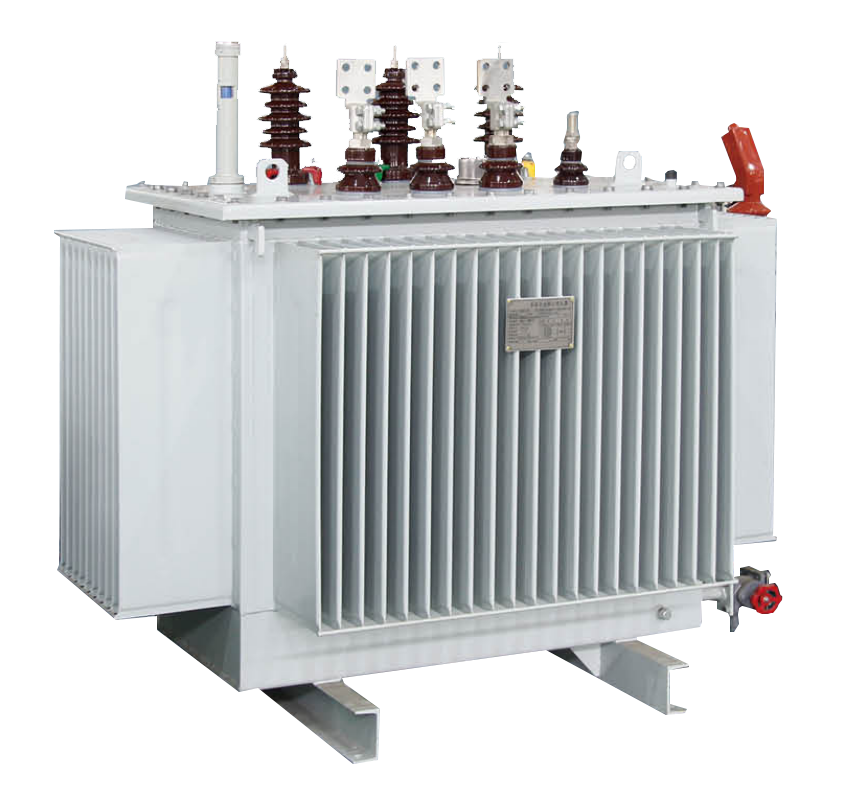
Oil-immersed transformer manufacturers produce the most widely deployed units globally. Mineral oil provides both insulation and cooling, making these units cost-effective at larger ratings (above 500 kVA) and well-suited for outdoor substations, industrial parks, and rural distribution. In actual field experience across North African projects, oil-type units generally show 10–15% lower capital cost versus equivalent dry-type units at the same kVA rating. The trade-off is fire risk: oil transformers require containment bunds and are restricted from enclosed commercial buildings under NFPA 70 and equivalent local codes.
Dry-type transformer suppliers serve a different niche. Cast-resin and VPI (vacuum pressure impregnated) designs are mandatory in shopping malls, hospitals, data centers, and high-rise buildings where fire safety codes prohibit flammable liquids. They carry a 20–30% cost premium but eliminate oil-related maintenance entirely. For indoor installations in Cairo's commercial districts, dry-type is often the only compliant option.

Three-phase distribution transformer configurations
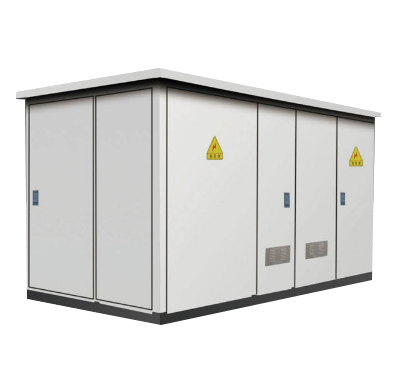
A three-phase distribution transformer is the standard for most medium-voltage applications in Egypt, where the grid operates at 11 kV, 22 kV, or 33 kV on the distribution level. Single-phase units remain relevant for specific rural electrification programs. Pad-mounted transformers — sealed, tamper-resistant units installed at ground level — are increasingly specified for urban residential developments and underground cable networks in new cities. Transformer OEM factories in China and India now dominate the mid-range pad-mounted segment globally, and several have established direct export channels to Egyptian distributors.
| Type | Typical kVA range | Installation | Avg. capital cost (USD) | Best use case in Egypt |
|---|---|---|---|---|
| Oil-immersed | 50–10,000 kVA | Outdoor / substation | 4,500–45,000 | Industrial zones, rural grids, EEHC substations |
| Dry-type (cast resin) | 100–3,150 kVA | Indoor | 7,000–55,000 | Malls, hospitals, data centers, New Capital |
| Pad-mounted | 75–2,500 kVA | Ground-level / urban | 6,000–38,000 | New residential cities, underground cable networks |
| Amorphous core (high efficiency) | 50–1,600 kVA | Outdoor or indoor | 6,500–52,000 | Solar farm step-down, energy-sensitive applications |
Egyptian grid compliance: ES 2178, EEHC standards, and what to verify
Compliance is arguably the single most under-documented topic in articles about electrical transformer companies targeting Egypt — and it is where projects most commonly stall. Let's be direct: any transformer imported into Egypt for connection to the public grid must satisfy the Egyptian Standard ES 2178 (covering oil-immersed distribution transformers up to 2,500 kVA) and the relevant EEHC technical specifications, which govern transformer ratings and specifications for all procurement under EEHC's six distribution subsidiaries.
What ES 2178 and EEHC specs actually require
ES 2178 aligns closely with IEC 60076 but includes Egypt-specific amendments: ambient temperature correction for 40°C continuous operation (versus IEC's default 20°C reference), Arabic-language nameplate requirements, and mandatory type-test reports from an accredited laboratory. EEHC's supplementary technical clauses additionally require: no-load loss and load loss values compliant with EN 50588-1 Tier 1 minimums, a minimum insulation class of A for oil-type units operating in the Delta region, and factory acceptance test (FAT) documentation submitted before shipment clearance.
A practical verification checklist for procurement engineers:
- Request the supplier's ES 2178 type-test certificate — verify it covers the exact rated voltage and kVA you are procuring.
- Confirm the nameplate includes Arabic text and specifies ambient temperature rating of 40°C or above.
- Ask for EN 50588-1 loss measurement test reports (no-load losses and load losses at rated current).
- Verify EEHC vendor registration number if supplying directly to a distribution company.
- For imported units, confirm compliance documentation is apostilled and accepted by the Egyptian Organization for Standardization (EOS).
- Request FAT schedule and confirm your team or a third-party inspector can witness testing before shipment.
IEC vs. ANSI: why it matters for imports
Egypt's grid is IEC-based. Transformer exporters to Egypt sourcing from North American manufacturers must specify IEC 60076 compliance explicitly in the RFQ — ANSI C57 units are not interchangeable and will fail Egyptian customs inspection for grid-connected use. This is a common and expensive mistake made by EPC contractors unfamiliar with the regional standards landscape. Substation transformer manufacturers from Europe, China, and South Korea generally carry IEC certification as standard; always confirm the specific edition (IEC 60076-1:2011 or later).
"Energy efficiency in distribution transformers is no longer a differentiator — it is a baseline requirement. Utilities and grid operators worldwide are moving toward mandatory minimum efficiency standards that make older transformer designs economically unviable within a 5-year horizon." — Global transformer market report, IEA, 2025.
Climate-specific selection guide for Egypt's environments
Egypt's geography creates at least three distinct operating environments that demand different transformer specifications. Ignoring this leads to premature insulation degradation, accelerated corrosion, and unplanned downtime — costs that dwarf any initial savings from under-specifying protection ratings.
Desert and high-temperature zones (Upper Egypt, Western Desert)
Ambient temperatures regularly exceed 45°C in summer in Aswan, Luxor, and the Western Desert solar corridors. Standard oil-immersed transformers rated for 40°C ambient require derating — typically 1% of rated kVA per degree above 40°C under IEC 60076-2. In practice, this means a 1,000 kVA unit operating at 46°C should be treated as a 940 kVA unit for loading purposes. The solution is to specify transformers with a 50°C ambient rating and ONAN/ONAF cooling (naturally or forced air-cooled oil), or to upsize the kVA rating by a minimum 15% margin. Just as a car engine needs a larger radiator in desert heat, a transformer working at peak load under Egyptian summer sun needs cooling margin built in from the start.
Coastal and delta zones (Alexandria, Port Said, Damietta)
Salt-laden air from the Mediterranean and Red Sea accelerates corrosion on tank surfaces, cooling fins, and cable box terminals. For installations within 5 km of the coast, specify: hot-dip galvanized tank with minimum 85-micron zinc layer, IP54 or higher cable box protection rating, marine-grade silicone gaskets on all access covers, and stainless steel or marine-grade aluminum hardware for all external fittings. According to recent inspections at Alexandria industrial port substations, units specified without marine protection showed visible corrosion within 18 months. That is a maintenance liability that no procurement engineer should accept when the specification upgrade costs less than 8% of unit price.
Of course, there are situations where a standard IP44 unit may be acceptable — specifically for indoor substation rooms that have HVAC-controlled environments and are located in coastal cities but not directly exposed to sea air ingress. The key is assessing actual installation conditions, not just geographic location.
Urban and industrial zones (Greater Cairo, Delta industrial cities)
The dominant challenge in these areas is fine desert dust (PM10 and PM2.5 particulate concentration) combined with seasonal sand events (khamsin). Dust ingress into cooling fins reduces heat dissipation efficiency by an estimated 12–18% over a 24-month period without maintenance. Specify sealed radiator fins or forced-ventilation cooling with filtered air inlets. For Cairo electrical equipment suppliers providing pad-mounted units to residential developers, IP44 as a minimum is required; IP55 is strongly recommended for ground-level outdoor installations near construction sites. Consulting the transformer load management guide provides further detail on thermal derating calculations that should be applied under these conditions.
Evaluating suppliers: qualifications, lead times, and after-sales support
Choosing between international utility transformer brands and local Egyptian manufacturers is not simply a quality question — it involves delivery logistics, warranty enforcement, spare parts availability, and real-world service response time. Based on case experience in multiple Egyptian infrastructure projects, the following evaluation framework is what separates a reliable long-term supplier from one that looks attractive only on the quotation.
Certification and manufacturing credentials
Minimum acceptable certifications for serious evaluation: ISO 9001:2015 quality management, IEC 60076 series type tests from a CNAS or ILAC-accredited laboratory, and ISO 14001 for environmental management (increasingly required by EEHC green procurement clauses). Transformer OEM factories sourcing from China should specifically be asked for CNAS-accredited type test reports — not in-house test certificates, which are not equivalent. Beyond paper credentials, request a factory audit report or send a technical representative for an on-site visit if the order value exceeds USD 200,000. This single step has prevented multiple documented cases of specification substitution in the Egyptian import market.
Lead times, spare parts, and Egyptian after-sales networks
Standard lead times for low voltage transformer distributors and medium-rating step-down transformer producers in 2026 are approximately 10–16 weeks for stock configurations and 16–24 weeks for fully customized designs. For urgent project timelines, ask suppliers specifically about their in-country or regional inventory and whether a local Egyptian agent holds safety stock. This matters enormously: a failed tap changer or a blown bushing on a 33/0.4 kV unit in a Benban solar park could halt an entire string of inverters. If the replacement part must be sourced from China or Germany, the lead time alone could cost tens of thousands of dollars in lost generation revenue.
Evaluate the supplier's Egyptian after-sales footprint by asking three direct questions: Do they have a registered local agent or service partner in Egypt? Can they provide a warranty service response time guarantee (ideally 48–72 hours for critical failures)? Do they maintain a local spare parts inventory for the top 10 failure-prone components (bushings, tap changers, gaskets, conservator fittings)? Suppliers who cannot answer these questions clearly are high-risk choices for mission-critical installations.
Price benchmarks and total cost of ownership in Egypt
Procurement decisions based on unit price alone consistently underperform. The correct financial framework is total cost of ownership (TCO) over a 25-year asset life — and in Egypt specifically, several cost variables are unique to the import and regulatory environment.
2026 price benchmarks and import duty structure
Based on 2026 market data, indicative CIF Alexandria prices for oil-immersed distribution transformers are: 100 kVA at USD 2,800–3,500; 250 kVA at USD 4,500–6,200; 630 kVA at USD 9,500–13,000; 1,000 kVA at USD 14,000–19,000. Egypt currently applies a 5% customs duty on power transformers (HS code 8504.21 and 8504.22) plus 14% VAT on the CIF+duty base, plus applicable port and customs clearance fees of approximately USD 300–800 per unit depending on port of entry. Total landed cost is therefore approximately 20–22% above the quoted CIF price for a standard import transaction.
Local manufacturing vs. import: TCO comparison
Egypt has established local transformer manufacturers — notably Egyptian Transformer Company (ETC) and several smaller producers in the 10th of Ramadan industrial zone — whose products qualify for preferential procurement pricing in EEHC tenders and avoid import duties entirely. For projects with flexible timelines and standard voltage configurations, local sourcing typically delivers a 15–20% lower landed cost versus equivalent Chinese imports. However, local manufacturers currently max out at approximately 2,500 kVA for oil-immersed units; larger substation transformer manufacturers or high-efficiency amorphous core units must still be imported. The TCO equation must also factor in no-load energy losses over the transformer's life: a 1,000 kVA unit with 1,500 W no-load loss running at Egypt's current commercial electricity tariff of roughly EGP 1.25/kWh will accumulate EGP 16,425 in no-load energy cost per year — multiplied over 25 years, that is EGP 410,625 per unit. A premium-efficiency unit saving 30% of no-load losses pays back its cost differential well within 5 years.
Transformers for Egypt's renewable energy projects
Egypt is home to the Benban Solar Park (one of the world's largest at 1,650 MW), the Gulf of Suez wind corridor, and an expanding pipeline of utility-scale renewable projects under NREA's 2035 targets. These applications impose transformer requirements that differ fundamentally from conventional grid distribution — and yet many suppliers pitch standard units without modification. This is a costly oversight.
Solar farm transformer requirements
Photovoltaic (PV) inverter output creates high harmonic content (primarily 5th and 7th harmonics), DC offset risk, and non-sinusoidal loading patterns. Transformers in solar applications must be specified with: a K-factor rating of K-13 or higher (K-20 for large central inverter configurations), delta-connected primary winding to block DC offset, enhanced insulation for partial discharge under harmonic stress, and electrostatic shielding between primary and secondary windings. Failure to specify these results in accelerated insulation aging — actual testing in Benban-adjacent installations has shown standard transformers losing 30–40% of expected insulation life within 7 years under uncorrected harmonic loading.
Wind energy and hybrid grid applications
Wind turbine transformers face different challenges: frequent load cycling (the transformer may cycle from no-load to full load hundreds of times per day), vibration from tower-mounted installations, and the need for moisture-resistant insulation given coastal Gulf of Suez humidity. For wind applications, specify amorphous core or high-efficiency silicon steel cores to minimize no-load losses during frequent low-generation periods, sealed tank design with nitrogen blanketing, and Class F or Class H insulation. Several distribution transformer manufacturers now offer wind-turbine-specific variants with integrated temperature monitoring and SCADA communication interfaces — a worthwhile investment for projects with remote monitoring requirements. Industry consensus is that purpose-specified renewable energy transformers, while costing 15–25% more than standard units, reduce lifetime maintenance costs by 35–50% in these demanding operating environments.
Choosing distribution transformer manufacturers: final recommendations
The procurement of distribution transformers in Egypt demands a multi-dimensional evaluation — not just technical specifications and price, but compliance verification, climate-adapted design, total ownership economics, and supplier service infrastructure. Distribution transformer manufacturers who can demonstrate ES 2178 certification, EEHC vendor registration, climate-appropriate protection ratings, and a credible Egyptian after-sales presence represent the strongest overall procurement choice in 2026.
Use the frameworks in this guide — the compliance checklist, TCO calculation methodology, climate selection criteria, and renewable application requirements — as the foundation for your RFQ technical specifications. Requiring suppliers to respond to each criterion in writing creates an auditable comparison that protects your project and your organization. The global market for power transformer suppliers is competitive and well-supplied; the challenge is not finding manufacturers, but finding the right one for Egypt's specific grid, climate, and regulatory environment. Make that the focus of your evaluation, and you will avoid the costly surprises that come from treating this as a commodity purchase.
Frequently asked questions
Q: What certifications should distribution transformer manufacturers have for the Egyptian market?
A: At minimum, suppliers must hold IEC 60076 type-test certification from an ILAC-accredited lab, ES 2178 compliance for oil-immersed units, ISO 9001:2015, and ideally EEHC vendor registration. Egyptian Organization for Standardization (EOS) acceptance of documentation is required for customs clearance on grid-connected equipment.
Q: What is the typical delivery lead time for imported transformers to Egypt?
A: Standard configurations from Chinese or European electrical transformer companies typically take 10–16 weeks from order confirmation. Fully customized units (special voltages, high K-factor, renewable-specific designs) require 18–24 weeks. Adding 3–4 weeks for shipping and Egyptian customs clearance is advisable in project scheduling.
Q: Is it better to buy from local Egyptian manufacturers or import from abroad?
A: For standard ratings up to 2,500 kVA, local Egyptian manufacturers offer 15–20% lower landed cost, no import duties, and faster delivery. For ratings above 2,500 kVA, high-efficiency amorphous core units, or renewable-application transformers, international suppliers are currently necessary. A hybrid approach — local for standard units, imports for specialized requirements — optimizes overall project TCO.
Q: How should transformers be specified for Egypt's hot desert climate?
A: Specify a 50°C continuous ambient temperature rating, ONAN or ONAF cooling class, and a minimum 15% kVA oversize margin versus peak calculated load. For coastal zones, add IP54 or higher enclosure rating and marine-grade corrosion protection. Desert/dusty environments benefit from sealed radiator fins and dust-filtered forced ventilation.
Q: Can standard distribution transformers be used in solar farm applications in Egypt?
A: No — solar PV inverter output creates harmonic distortion and DC offset that accelerates insulation aging in standard units. Solar applications require K-factor rated transformers (minimum K-13), delta primary winding, electrostatic shielding, and enhanced insulation class. Using standard units in PV applications can reduce transformer lifespan by 30–40% and void manufacturer warranties.
More news
We will send you real-time information regularly!

Optical storage charging solution supplier
Cangzhou Huarui Transformer Co., Ltd.
Address: Xinxing Town Industrial Zone, Qing County, Cangzhou, Hebei
All rights reserved©2024 Cangzhou Huarui Transformer Co., Ltd.
Powe : www.300.cn License city substation