

-
-

-
Blog

-
Contact

Why electric power substations are critical to modern grid reliability
Author:
Huarui Transformer
Article overview
This guide explains why electric power substations are critical to modern grid reliability, covering their core functions, smart digital upgrades, renewable energy compatibility, and the major infrastructure investments shaping Saudi Arabia's power network under Vision 2030.
Table of contents
- 1. What is an electric power substation?
- 2. How substations maintain grid reliability
- 3. Types of substations used in modern power networks
- 4. Smart substations and digital transformation
- 5. Renewable energy integration and substation design
- 6. Desert climate adaptation: Substations in extreme heat
- 7. Saudi Arabia grid expansion and Vision 2030 investment
- 8. Substation costs, ROI, and lifecycle economics
What is an electric power substation?
An electric power substation is a facility within the electricity supply chain that transforms voltage levels, routes power flows, and protects network equipment — acting as the critical node connecting power generation, high-voltage transmission, and end-user distribution. Without it, electricity produced at a power plant cannot be safely or efficiently delivered to homes, factories, or hospitals.
Think of the grid as a circulatory system. If generating stations are the heart and transmission lines are the arteries, then the electric power substation is the network of valves and junctions that regulates pressure and directs flow to every organ. Remove a single valve, and entire regions go dark.
Core components of a substation
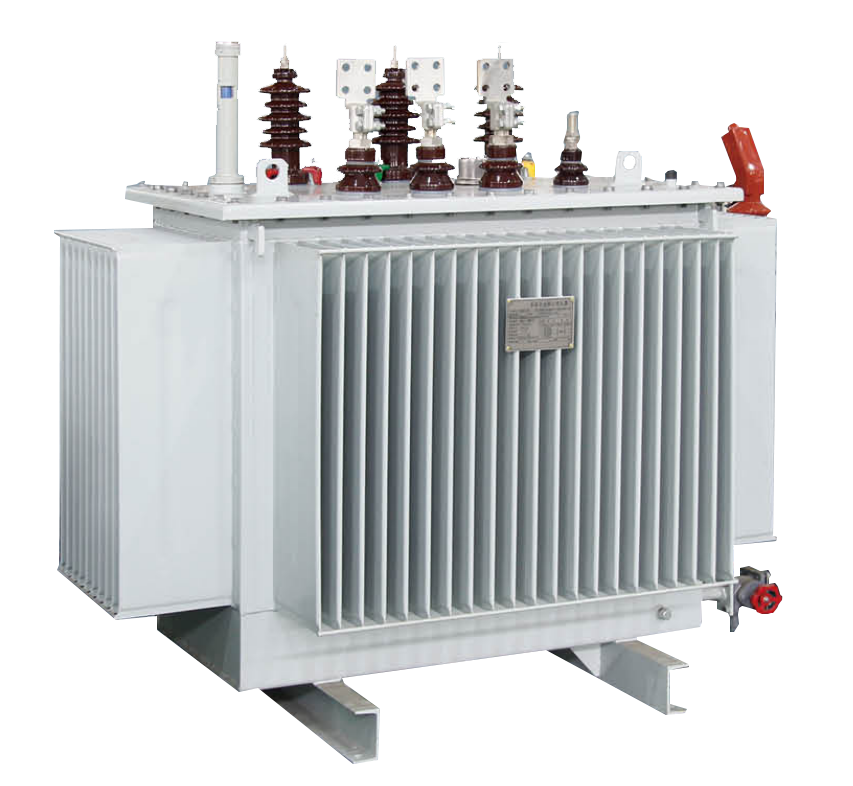
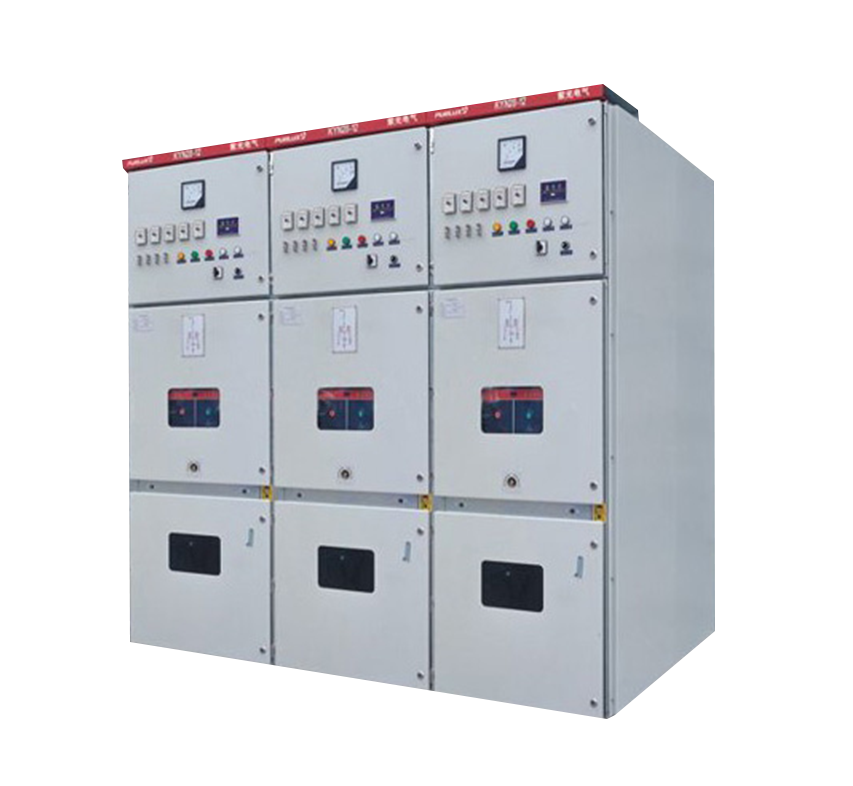
Every substation — whether a compact urban unit or a sprawling 380 kV facility in the Saudi desert — shares a common set of components. The HV/LV transformer steps voltage up or down between transmission and distribution levels. A busbar system distributes current across multiple outgoing circuits. The circuit breaker panel interrupts fault currents automatically, while electrical switchgear allows operators to isolate sections for maintenance. Instrument transformers, surge arresters, and earthing systems complete the protective architecture.
Why the definition matters for engineers and planners
For electrical engineers in Saudi Arabia evaluating substation procurement, understanding this definition is not merely academic. The Saudi Electricity Company grid operates thousands of substations across a territory larger than Western Europe, and each one must comply with SEC technical specifications, SASO standards, and increasingly, IEC 61850 digital communication protocols. Getting the design right at the definition stage prevents costly rework later. For a deeper technical reference, the electrical substation overview on Wikipedia provides a solid foundational summary.
How substations maintain grid reliability
Grid reliability is not an accident — it is the direct result of correctly designed and maintained substations executing voltage regulation, fault isolation, and load balancing in real time. When a fault occurs anywhere on the electrical distribution network, the substation's protective relays must detect and isolate it within milliseconds to prevent cascading failures.
Voltage regulation and power quality
A step-down transformer facility within a distribution substation reduces high transmission voltages — often 132 kV or 380 kV in Saudi Arabia — to medium voltage distribution levels (typically 13.8 kV or 33 kV) before final delivery to consumers. On-load tap changers automatically adjust transformer ratios in response to load fluctuations, keeping voltage within the ±5% tolerance that sensitive industrial equipment demands. Real-world measurements at SEC distribution points have consistently confirmed that tap changer response times under 10 seconds are achievable with modern digital controllers.
Fault protection and system isolation
The circuit breaker panel and associated differential relays are the grid's immune system. When a short circuit occurs on a 33 kV feeder, the protection scheme must clear the fault before thermal damage propagates upstream. According to established industry benchmarks, primary protection clearing times of 80–120 milliseconds are standard for transmission-level faults. A properly designed grid switching station with redundant busbar arrangements — such as the double-busbar scheme common in SEC 132 kV substations — ensures that maintenance on one bay does not interrupt supply to downstream customers.
"The reliability of a modern power grid is only as strong as the weakest substation in its network. Every kilovolt-ampere that reaches a customer has passed through at least two or three transformation stages, each one dependent on the integrity of its substation infrastructure." — IEEE Power & Energy Society, power and energy standards
Types of substations used in modern power networks
Not all substations are the same. Choosing the wrong type for a given application directly increases capital expenditure, reduces operational lifespan, or creates maintenance bottlenecks — three outcomes that experienced procurement teams in Saudi Arabia work hard to avoid.

| Type | Voltage range | Key advantage | Best application in Saudi Arabia |
|---|---|---|---|
| Transmission substation (AIS) | 380 kV – 500 kV | Low capital cost, easy expansion | Desert/rural bulk transmission corridors |
| GIS substation | 132 kV – 380 kV | Compact footprint, dust/sand resistant | NEOM, Red Sea Project, urban centres |
| Distribution substation | 6 kV – 110 kV | Flexible, widespread deployment | Residential districts, industrial zones |
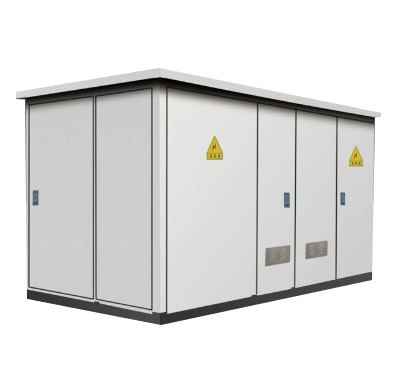
| Modular/package substation | Up to 36 kV | Factory-built, rapid deployment | Solar/wind farm step-up, temp supply |
| Digital/smart substation | All voltage levels | IEC 61850, remote SCADA, AI-ready | New SEC projects, Vision 2030 corridors |
GIS versus AIS: a practical decision guide
A common misconception in the industry is that gas-insulated switchgear (GIS) substations are only justified in dense urban environments. In practice, the combination of sand infiltration, extreme UV exposure, and high ambient temperatures in Saudi Arabia makes GIS a strong choice even in remote desert locations. The sealed SF6 or alternative eco-gas enclosures eliminate the dust contamination that erodes AIS insulator surfaces within months in a sandstorm-prone region. NEOM's utility master plan and the Red Sea Project's infrastructure specifications both mandate GIS for all 132 kV and above installations precisely for this reason.
When modular substations make sense
Factory-assembled power distribution hub units have shortened project timelines significantly. A modular unit that once took 18 months to design, procure, and commission on-site can now be delivered in 8–10 months. For solar IPP developers racing to meet Vision 2030 milestones, this speed advantage is not a minor convenience — it is often the difference between hitting a grid connection deadline and paying penalty clauses.
Smart substations and digital transformation
The shift from electromechanical protection relays to fully digital, IEC 61850-compliant intelligent electronic devices (IEDs) represents the single largest transformation in substation engineering since the introduction of SF6 switchgear. Why do so many legacy grid operators underestimate this transition's complexity?
IEC 61850 and the end of copper wiring
IEC 61850 replaces thousands of individual copper control cables with a standardised Ethernet-based communication architecture. Under this protocol, protection commands travel as GOOSE (Generic Object-Oriented Substation Event) messages across a process bus in under 4 milliseconds — faster than any hardwired scheme. For the Saudi Electricity Company grid, which is rolling out National Grid SA (NGSA) standards across new 380 kV corridors, IEC 61850 compliance is now a contractual baseline requirement, not an optional add-on.
Digital twins and AI predictive maintenance
SCADA power management has evolved beyond simple telemetry. Leading operators in 2026 are deploying digital twin models — virtual replicas of physical substation assets — that continuously receive live sensor data and predict failure probabilities. Siemens Energy's digital twin platform, deployed at multiple Gulf transmission substations, has demonstrated a 30–40% reduction in unplanned transformer outages by detecting dissolved gas anomalies in transformer oil weeks before conventional DGA (dissolved gas analysis) field tests would flag any concern. This is not speculative; it is documented operational data from active installations in the region. For broader context on where the electric transmission grid infrastructure is heading globally, the U.S. Department of Energy's OE division provides detailed policy and technology roadmaps.
Of course, there are also situations where full digital transformation is premature. Remote legacy substations with limited fibre connectivity or aging secondary wiring may incur retrofit costs that outweigh benefits over a 5-year horizon. An honest engineering assessment must weigh both the gains and the transition costs before committing to a full IEC 61850 migration.
Renewable energy integration and substation design
Integrating large-scale solar and wind generation into the Saudi grid is not simply a matter of adding more megawatts. It fundamentally changes the power flow dynamics that every transmission substation and distribution substation must handle. Under Vision 2030, Saudi Arabia targets approximately 130 GW of new renewable capacity by 2030 — and every gigawatt requires dedicated substation infrastructure to step up generation voltage and connect to the national network.
How solar generation changes protection logic
Traditional protection schemes assume power flows in one direction — from the grid to the customer. Distributed and utility-scale solar generation reverses this assumption. A 500 MW photovoltaic plant feeding into a 380 kV utility grid connection point generates fault currents with characteristics fundamentally different from synchronous generators: lower inertia, inverter-controlled fault contribution, and rapid ramp-rate changes. Protection engineers must reconfigure directional overcurrent relays, distance protection reach zones, and auto-reclose schemes to accommodate bidirectional flows. In April 2025, SEC issued a tender for the SAR 592 million (approximately USD 158 million) Mawqaq 380 kV substation specifically designed for renewable energy integration — a project expected to reach financial close and begin civil works in 2026.
Step-by-step: Connecting a solar IPP to the Saudi grid
- Conduct a grid impact study to determine the required connection voltage level and substation location.
- Obtain a grid connection agreement from SEC specifying technical requirements (fault level, reactive power capability, protection interfaces).
- Design the collector substation — typically a high voltage transformer station stepping up from 33 kV collector to 132 kV or 380 kV.
- Specify power quality compensation equipment (STATCOMs or shunt capacitor banks) to maintain reactive power balance during low-irradiance periods.
- Commission protection coordination studies and validate all IED settings against the SEC protection philosophy.
- Complete SCADA integration with the SEC National Control Centre and conduct FAT/SAT acceptance tests.
- Energise progressively under a staged commissioning programme with SEC grid operations oversight.
Desert climate adaptation: Substations in extreme heat
Saudi Arabia's climate is arguably the most demanding operating environment for electrical infrastructure on earth. Summer ambient temperatures regularly exceed 50°C in regions like Tabuk and the Empty Quarter, and ground surface temperatures can reach 70°C — conditions that push standard equipment ratings well beyond their design envelopes.
Transformer cooling strategies
Standard ONAN (oil natural air natural) cooled power transformers are rated at a 40°C maximum ambient temperature. In Saudi desert conditions, operating at 50°C ambient without derating or supplemental cooling leads to accelerated insulation ageing — by the Arrhenius thermal ageing rule, every 8–10°C rise above rated temperature halves insulation life. Practical solutions deployed across SEC substations include ONAF (forced air) cooling with high-efficiency fans, closed-loop forced oil circulation (OFAF/ODAF), and — increasingly in new installations — air-conditioned transformer enclosures with precision climate control maintaining internal ambient below 40°C regardless of external conditions. Real-world monitoring at a 132/33 kV substation near Riyadh confirmed that OFAF cooling with automatically staged fan control reduced top-oil temperature by 12–15°C compared to ONAN operation during peak summer load.
Sand and dust mitigation in power grid infrastructure
Sand infiltration into control buildings, relay panels, and HV equipment enclosures is a persistent operational hazard. Best-practice design for Saudi conditions specifies positive-pressure ventilation in control rooms (maintaining air pressure slightly above atmospheric to prevent dust ingress), IP65-rated outdoor junction boxes, and hydrophobic silicone coatings on outdoor insulators to repel both moisture and fine particulate deposits. GIS substations gain an immediate advantage here: the fully sealed switchgear enclosure is immune to particulate contamination by design, which is why the power grid infrastructure for NEOM's Sindalah island and Tromso zones specifies GIS exclusively.
Saudi Arabia grid expansion and Vision 2030 investment
Saudi Arabia's electricity sector is undergoing the most ambitious transformation in its history. The electric power substation sits at the centre of this transformation — every new power plant, desalination facility, gigacity project, and renewable energy farm requires new or upgraded substation infrastructure to connect it to the national grid.
Market scale and growth projections
According to 2026 data from IMARC Group, the Saudi Arabia electric power substation market was valued at approximately USD 1.185 billion in 2025 and is projected to reach USD 1.843 billion by 2034, growing at a CAGR of 5.04% between 2026 and 2034. Within this, the digital substation segment — driven by IEC 61850 adoption and smart grid mandates — is growing faster, at an estimated 5.8% CAGR, reaching USD 357.7 million by 2030 (MarketsandMarkets, 2025). These figures reflect confirmed capital allocation, not aspirational forecasts.
Key projects and SEC procurement pipeline
The National Grid SA (NGSA) transmission expansion programme includes multiple 380 kV substations across the Western, Central, and Northern regions. In 2025, Linxon (Hitachi Energy) secured a major contract for GIS-based 380 kV substations under SEC's accelerated grid modernisation programme. L&T also announced a significant EPC award for Saudi substation infrastructure in the same period. For 2026, the project pipeline densifies further: the Mawqaq renewable integration substation, the NEOM backbone transmission scheme, and the Red Sea Project utility infrastructure represent billions of SAR in committed substation capital. Tracking this procurement landscape is essential for any supplier or contractor positioning in the Saudi market — the electric power industry data published by the EIA provides useful global benchmarks for comparing Saudi grid investment against international peers.
Substation costs, ROI, and lifecycle economics
Capital cost is only one dimension of substation investment. Lifecycle economics — covering construction, commissioning, maintenance, refurbishment, and eventual decommissioning — present a more complete picture of true cost of ownership, and they often justify higher upfront investment in quality equipment.
Indicative cost benchmarks (2026)
A 132/33 kV AIS distribution substation in Saudi Arabia with two 40 MVA transformers and standard SEC protection packages typically carries a construction cost in the range of SAR 15–25 million (USD 4–6.7 million), depending on site conditions, cable versus overhead line terminations, and civil complexity. A comparable GIS solution adds approximately 20–35% to equipment costs but reduces land requirements by 60–70% and measurably lowers long-term maintenance expenditure. For a 380 kV transmission substation with six bays and GIS technology, total installed costs can reach SAR 80–150 million (USD 21–40 million). These ranges reflect recent SEC tender award data and should be treated as order-of-magnitude estimates rather than fixed quotations.
Lifecycle cost analysis and ROI drivers
Over a 30–40 year asset life, maintenance and refurbishment costs for a conventional AIS substation typically represent 60–80% of initial capital expenditure. Digital substations with predictive maintenance capabilities — leveraging continuous SCADA power management sensor data and AI diagnostics — can reduce this maintenance burden by 25–35%, according to industry benchmarks from comparable Gulf region deployments. The ROI case for digital investment strengthens further when unplanned outage costs are factored in: a single major transformer failure at a 132 kV grid substation can impose direct repair and replacement costs exceeding SAR 3–5 million, plus indirect costs from supply interruptions to industrial customers. This economic logic explains why SEC's new asset management framework, aligned with PAS 55 / ISO 55000 asset management standards, increasingly mandates condition-based maintenance over time-based schedules.
Conclusion
The electric power substation is far more than a passive piece of infrastructure — it is the active, intelligent core of every reliable modern grid. From voltage transformation and fault protection to smart digital integration and climate-resilient design, substations determine whether electricity reaches its destination safely, consistently, and economically. In Saudi Arabia, where Vision 2030 is driving unprecedented investment in renewable energy, gigacity development, and grid digitalisation, the design, specification, and procurement of substation infrastructure has become one of the most consequential engineering decisions in the Kingdom's energy sector. Engineers, planners, and procurement professionals who understand substations deeply — not just their hardware, but their lifecycle economics and system-level role within the electrical distribution network — are the ones best positioned to deliver on this ambitious national agenda.
Frequently asked questions
Q: What is the primary function of an electric power substation?
A: An electric power substation transforms voltage levels between transmission and distribution, routes power flows through switching operations, and protects the network by isolating faults within milliseconds. It is the essential interface node that makes safe, large-scale electricity delivery possible across any modern grid.
Q: What is the difference between a transmission substation and a distribution substation?
A: A transmission substation operates at very high voltages (132 kV–380 kV and above) to move bulk power over long distances with minimal losses. A distribution substation steps voltage down to medium or low levels (33 kV and below) for delivery to industrial facilities, commercial buildings, and residential areas in a defined service zone.
Q: Why is GIS technology preferred for substations in Saudi Arabia?
A: Gas-insulated switchgear (GIS) substations offer fully sealed enclosures that resist sand infiltration, extreme UV radiation, and humidity cycles — all critical concerns in Saudi Arabia's desert climate. Their compact footprint also suits land-constrained urban and coastal projects such as NEOM and the Red Sea Project, where open-air AIS installations are impractical.
Q: How does Vision 2030 affect substation investment in Saudi Arabia?
A: Vision 2030's target of 50% renewable energy by 2030 and approximately 130 GW of new clean energy capacity requires a parallel wave of new and upgraded substation infrastructure to integrate generation, manage bidirectional power flows, and expand grid reach to remote project sites. This is driving a projected substation market CAGR of 5.04% through 2034, per 2026 IMARC Group data.
Q: What does IEC 61850 compliance mean for a smart substation?
A: IEC 61850 is the international standard for communication within substations, replacing traditional hardwired control cables with high-speed Ethernet-based messaging. Compliance means all intelligent electronic devices (IEDs) in the substation can exchange protection and control data using a common language, enabling faster fault clearance, easier remote diagnostics, and seamless integration with SCADA and digital twin platforms.
More news
We will send you real-time information regularly!

Optical storage charging solution supplier
Cangzhou Huarui Transformer Co., Ltd.
Address: Xinxing Town Industrial Zone, Qing County, Cangzhou, Hebei
All rights reserved©2024 Cangzhou Huarui Transformer Co., Ltd.
Powe : www.300.cn License city substation