

-
-

-
Blog

-
Contact

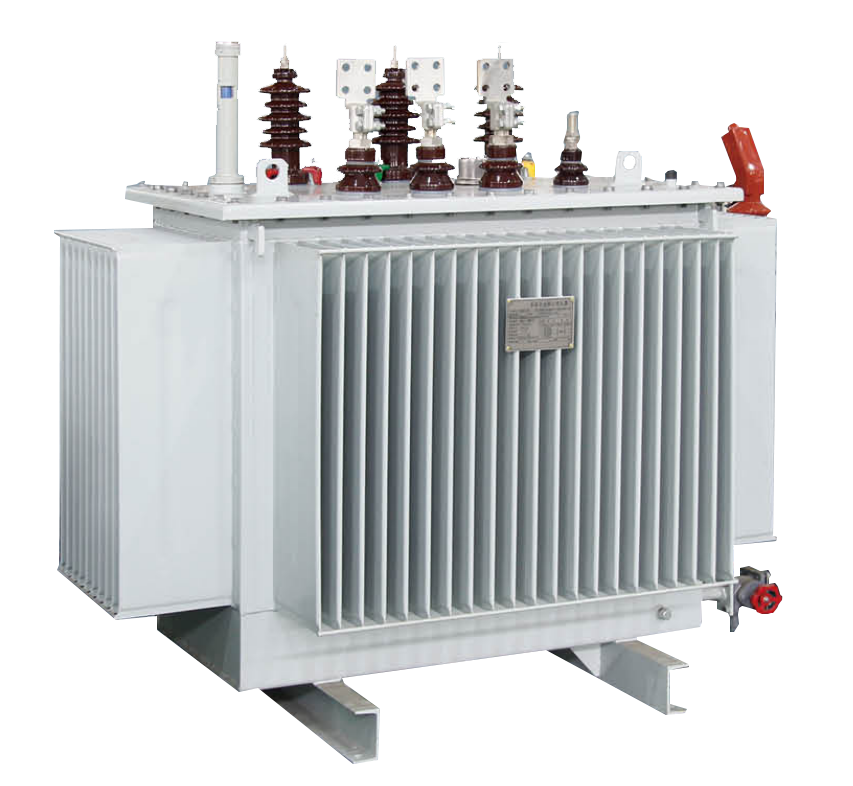
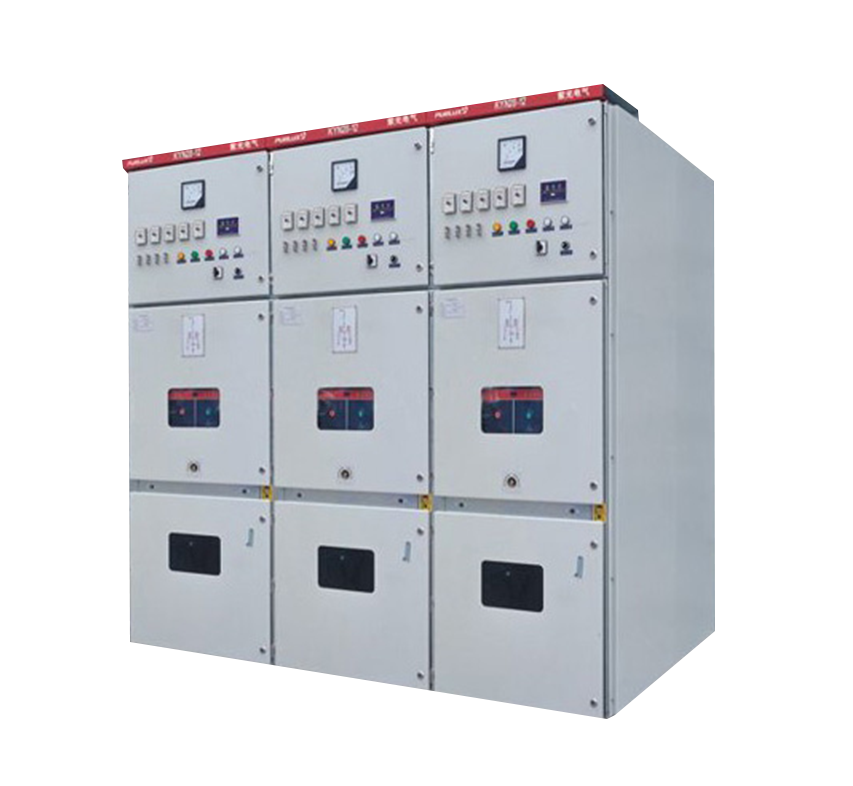
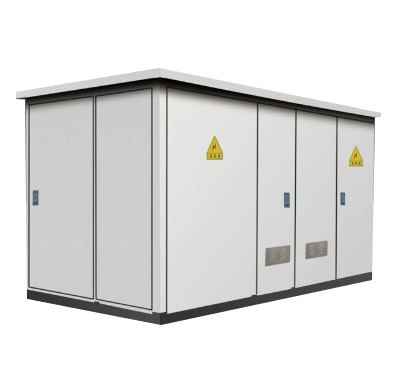
Transformer manufacturers in Saudi Arabia: the complete 2026 buyer's guide
Author:
Huarui Transformer
Article overview
This guide analyses the leading transformer manufacturers in Saudi Arabia, covering market data, Vision 2030 demand drivers, a structured manufacturer comparison, SASO compliance requirements, and a step-by-step supplier qualification framework — designed specifically for EPC contractors and procurement engineers in 2026.
Table of contents
- 1. Overview of the Saudi Arabia transformer market in 2026
- 2. How Vision 2030 and renewable energy projects are reshaping transformer demand
- 3. Top transformer manufacturers and suppliers in Saudi Arabia
- 4. Manufacturer comparison: key metrics at a glance
- 5. Buyer's decision framework: how to qualify and select a supplier
- 6. SASO certification and regulatory compliance in KSA
- 7. Full lifecycle services: installation, maintenance, and spare parts
- 8. FAQ
Transformer manufacturers in Saudi Arabia are defined as companies that design, produce, or locally supply power transformers, distribution transformers, and dry-type transformers for the Kingdom's electricity grid, industrial facilities, and renewable energy projects. As Saudi Arabia accelerates infrastructure investment under Vision 2030, the procurement decisions made today around these critical assets will directly affect grid reliability for decades. This guide cuts through the noise and gives procurement teams a clear, data-backed framework for evaluating the right supplier — local or international — for their specific project scope.
Overview of the Saudi Arabia transformer market in 2026
The Saudi Arabia transformer market is one of the most active in the Middle East, currently valued at approximately USD 583 million (2025 estimate) and projected to reach USD 808 million by 2030, growing at a compound annual growth rate of 6.7%, according to MarketsandMarkets. That growth curve is not incidental — it reflects a confluence of grid modernisation, industrial expansion, and renewable energy integration that makes this market structurally different from regional peers.
Why demand is accelerating in 2026
Three forces are compounding simultaneously. First, the Saudi Electricity Company (SEC) continues to expand and upgrade the national grid to meet rising residential and industrial load. Second, the Public Investment Fund (PIF) is pumping capital into gigaprojects — NEOM, Red Sea Project, Diriyah Gate — each of which requires substantial high-voltage transformer infrastructure from the outset. Third, the Kingdom's renewable energy capacity reached 15.06 GW in 2026, expanding at a remarkable 38.12% CAGR (Mordor Intelligence), and solar and wind assets require both step-up power transformers at the generation end and distribution transformers at the grid injection point.
Market structure: local vs. international supply
Domestic manufacturing capacity has grown sharply. Saudi Power Transmission Company (SPTC), a PIF strategic entity, increased annual production of high-voltage power transformers from 70 units in 2021 to 150 units in 2023 — effectively doubling output in two years. Yet total market demand still outpaces local production for certain voltage classes, which keeps a meaningful share of transformer import volume flowing through Jeddah and Dammam ports. The result is a dual-track market where local industrial transformer companies in Jeddah and Riyadh coexist with established international electrical equipment suppliers operating under Saudi agent or joint-venture structures.
How Vision 2030 and renewable energy projects are reshaping transformer demand
Vision 2030 is not just an economic diversification plan — it is the single largest structural demand driver for power distribution equipment manufacturers in Saudi Arabia right now. Understanding its specific mechanisms helps procurement teams anticipate supply constraints and plan accordingly.
NEOM, Red Sea Project, and the gigaproject pipeline
NEOM alone requires an independent power system built essentially from scratch, including ultra-high-voltage transmission infrastructure and thousands of medium voltage transformer units for its modular city segments. The Red Sea Project demands offshore-compatible, salt-spray-resistant transformer configurations that are not standard catalog items. Actual project procurement experience in these environments shows that lead times for customised high voltage transformer units from Gulf-region manufacturers can run 18 to 36 months — which means procurement decisions for 2027 project energisation dates need to be made now.
Solar and wind energy: the transformer demand multiplier
Every megawatt of solar PV capacity installed requires roughly one MVA of transformer capacity to step voltage up from generator level to transmission level, and a further distribution transformer at the consumer end. With Saudi Arabia targeting 130 GW of renewable capacity by 2030, the implied transformer demand is staggering. Oil-immersed transformer suppliers in Arabia are already reporting extended order books for 33 kV and 132 kV units used in utility-scale solar projects. Dry-type transformer suppliers in Arabia are also seeing rising enquiries for indoor substations within industrial facilities that must meet fire-safety requirements.
ICV policy: the procurement calculus has changed
Saudi Aramco and SEC now apply In-Country Value (IKTVA / ICV) scoring to supplier evaluations. A transformer sourced from a locally manufacturing company carries a significantly higher ICV score than an equivalent imported unit — and that score directly affects an EPC contractor's ability to win future government contracts. This single policy shift has been the most underappreciated factor driving the expansion of local power transformer suppliers in KSA. Why do so many procurement engineers still default to international brands when local ICV scoring creates measurable commercial advantages? The answer usually comes down to familiarity rather than due diligence.
Top transformer manufacturers and suppliers in Saudi Arabia
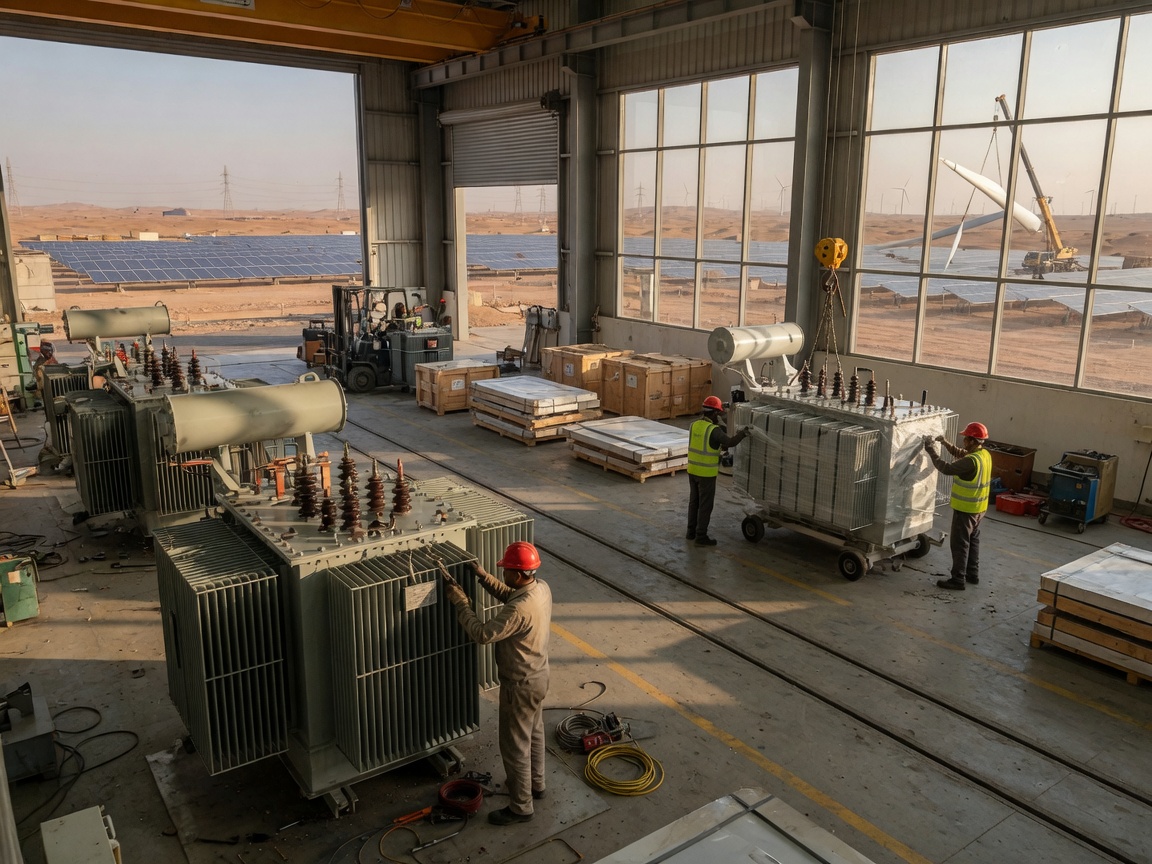
The following profiles cover the most prominent transformer manufacturers and suppliers active in the KSA market in 2026, spanning fully domestic manufacturers, joint ventures, and international companies with established local operations.
Saudi Power Transmission Company (SPTC)
SPTC is the Kingdom's flagship domestic manufacturer of large power transformers, operating under PIF ownership. The company focuses on high-voltage and extra-high-voltage units (up to 380 kV), supplying directly to SEC and major EPC contractors. Its technology partnership with CG Power Systems (Belgium) means its designs are benchmarked against IEC standards rather than proprietary specifications. For projects requiring strong IKTVA scores and SEC pre-qualification, SPTC is typically the first local name on a shortlist.
Arabian Transformers Company (ATC)
ATC is one of the most established distribution transformer manufacturers in the Middle East, with manufacturing facilities in Saudi Arabia and a product range covering oil-immersed distribution transformers from 25 kVA to 10 MVA. The company holds SASO approvals and has a long track record supplying SEC's distribution network. Field experience confirms that ATC's spare parts availability and local service network are genuine strengths for buyers concerned about total cost of ownership rather than just purchase price.
WESCOSA (Westinghouse Saudi Co.)
WESCOSA manufactures distribution transformers, dry-type transformers, and associated switchgear at its Riyadh production facility. As one of the earliest electrical transformer companies in Riyadh to combine local manufacturing with international technology licensing, WESCOSA has an established position supplying both government utilities and private industrial customers. Its dry-type range is particularly relevant for data centres, hospitals, and industrial facilities requiring fire-safe transformer solutions.
International manufacturers with KSA operations
Several global manufacturers maintain significant commercial presence in Saudi Arabia, either through local manufacturing agreements, joint ventures, or authorised distributor networks. These include Siemens Energy (with local assembly and service operations), ABB (through ABB Arabia), Schneider Electric (Riyadh and Jeddah offices), and GE Vernova. These companies offer medium voltage transformer units and high voltage transformer products certified to IEC and SASO standards, though their ICV scores are generally lower than fully local manufacturers unless they operate through a Saudi industrial partner. Transformer exporters from South Korea (Hyundai Electric) and Europe also maintain active agent relationships in Jeddah.
Manufacturer comparison: key metrics at a glance
The table below provides a structured comparison across the dimensions that matter most to EPC contractors and procurement engineers evaluating transformer manufacturers in Saudi Arabia. Data reflects 2026 market intelligence.
| Manufacturer | Type focus | Voltage range | Key certifications | ICV advantage | Service network KSA |
|---|---|---|---|---|---|
| SPTC | Power transformers | Up to 380 kV | IEC, SASO, SEC-approved | ★★★★★ (PIF entity) | National |
| ATC | Distribution transformers | Up to 36 kV / 10 MVA | SASO, IEC 60076 | ★★★★☆ | National |
| WESCOSA | Distribution & dry-type | LV–33 kV | SASO, IEC 60076, IEC 60726 | ★★★★☆ | Riyadh + regional |
| Siemens Energy KSA | Power & medium voltage | Up to 420 kV | IEC, SASO CoC, SEC-approved | ★★★☆☆ (partial local) | National + Gulf |
| ABB Arabia | Power & distribution | Up to 380 kV | IEC, SASO CoC, SEC-approved | ★★★☆☆ | National + Gulf |
| Schneider Electric KSA | Dry-type & medium voltage | LV–36 kV | IEC, SASO CoC | ★★★☆☆ | Riyadh, Jeddah, Dammam |
"The shift toward local content requirements has fundamentally altered how international transformer companies compete in Saudi Arabia. Manufacturers without a credible in-country manufacturing or assembly footprint are increasingly disadvantaged in SEC and Aramco tenders, regardless of their global reputation." — Industry consensus drawn from 2026 Gulf power sector procurement reports and multiple EPC contractor interviews.
Buyer's decision framework: how to qualify and select a supplier
Most procurement guides list manufacturers. Few provide the decision logic that determines which manufacturer is right for a given project. The framework below is built around the actual evaluation criteria used by SEC-registered EPC contractors in 2026.
Step-by-step supplier qualification process
- Define technical specification: Confirm voltage class (LV, MV, HV, EHV), MVA rating, cooling type (ONAN, ONAF, OFAF), and any special requirements — offshore tolerance, fire-safety class, smart monitoring integration.
- Check SEC pre-qualification status: SEC maintains an approved vendor list (AVL). Only SASO-approved transformer manufacturers listed on the AVL can supply to SEC-funded projects. Confirm AVL status before issuing RFQs.
- Assess IKTVA / ICV score: Request the supplier's current ICV certificate. For PIF-funded and Aramco projects, a minimum ICV threshold applies. Weigh local vs. imported supply options against your project's ICV obligations.
- Evaluate production lead time vs. project schedule: Large power transformers (100 MVA+) typically carry 18–36 month lead times. Align transformer procurement with the project's critical path — not with the commercial award date.
- Request type test reports and FAT protocol: Insist on factory acceptance test (FAT) documentation per IEC 60076. For oil-immersed transformers, request dissolved gas analysis (DGA) baseline data from the routine test record.
- Evaluate local service capability: Confirm the supplier has qualified service engineers resident in KSA, access to original spare parts within an acceptable lead time, and a documented emergency response protocol.
- Obtain SASO CoC confirmation: Verify that the specific model being procured holds a valid SASO Certificate of Conformity under the SALEEM product safety scheme. This is a mandatory import clearance requirement — IEC certification alone is not sufficient.
Common procurement mistakes to avoid
Real project experience surfaces a consistent set of errors. Buyers routinely underestimate the time required to complete SASO CoC registration for a new transformer model — typical timelines run 8 to 16 weeks, which can stall a project if not factored into the procurement schedule. Another frequent error is treating step-up and step-down transformer suppliers as interchangeable; renewable energy projects almost always require specific step-up configurations (generator transformer, GSU) that differ significantly from standard distribution transformer specifications. Of course, there are situations where an experienced importer can supply a pre-certified model faster than a local manufacturer can deliver — and in those cases, the import route is entirely rational, provided SASO CoC and ICV obligations are met.
SASO certification and regulatory compliance in KSA
Regulatory compliance is non-negotiable for any company supplying transformers into the Saudi Arabia market. Understanding how the system works prevents costly delays.
What SASO certification requires
The Saudi Standards, Metrology and Quality Organization (SASO) administers the SALEEM product conformity program. All transformers — whether produced by local electrical transformer companies or imported by transformer exporters from overseas — must obtain a Certificate of Conformity (CoC) before they can be cleared through Saudi customs or installed on any SEC or regulated industrial network. The CoC process involves third-party laboratory testing against applicable Saudi technical standards (which align with IEC 60076 series for power and distribution transformers), document review, and an initial inspection. Importantly, a valid IEC certification from an overseas notified body does not substitute for the SASO CoC — this is one of the most persistent misconceptions among international suppliers entering the KSA market for the first time.
Transformer testing and certification in Saudi Arabia
Transformer testing certification in Saudi Arabia encompasses both type tests (conducted once per design) and routine tests (conducted on every production unit). SEC's technical standards require additional tests beyond IEC minimums for transformers above certain ratings, including temperature rise tests, impulse voltage tests, and partial discharge measurements. SASO-approved transformer manufacturers must maintain documented quality management systems and are subject to periodic surveillance audits. For buyers, requesting a copy of the most recent SASO surveillance audit report is a practical way to verify that a supplier's compliance is current rather than historical.
Full lifecycle services: installation, maintenance, and spare parts
The purchase price of a transformer typically represents less than 30% of its total cost of ownership over a 30-year service life. Yet procurement decisions are still overwhelmingly driven by initial unit cost. This is where the comparison between suppliers should extend well beyond the factory gate.
Transformer installation services in Saudi Arabia
Proper transformer installation — including oil filling, vacuuming, initial energisation, and commissioning testing — requires qualified personnel and specialised equipment. Several transformer manufacturers in Saudi Arabia offer turnkey installation services, while others supply the equipment only and rely on third-party electrical contractors for installation. Verify this clearly during the procurement phase. For oil-immersed transformers above 10 MVA, field assembly is typically required, and errors at this stage are a leading cause of early-life failures. Transformer installation services offered by the manufacturer carry an inherent advantage: the manufacturer's own engineers understand the equipment tolerances and commissioning requirements with a precision that a generalist EPC subcontractor may not.
Maintenance, diagnostics, and spare parts supply chain
Just like a car engine that outlasts its warranty only with consistent servicing, a transformer's operational lifespan is directly tied to the quality of its maintenance programme. Industry best practice for oil-immersed transformer maintenance in Saudi Arabia includes annual oil quality testing (IEC 60422), periodic dissolved gas analysis (DGA), thermographic inspection, and bushing condition monitoring. The key question for buyers: does your chosen supplier stock critical spare parts — bushings, tap changer components, cooling fans, oil pumps — in-Kingdom, or do orders route through a regional hub with 4–8 week lead times? For mission-critical applications (hospital substations, desalination plant feeders, data centre supply transformers), local spare parts availability is not a nice-to-have; it is a project-risk control measure.
End-of-life and transformer refurbishment
A growing number of power distribution equipment manufacturers in Saudi Arabia now offer refurbishment and life-extension services for ageing transformer fleets. With significant transformer installations dating from the 1990s and early 2000s now approaching end-of-life, this service segment is expanding. Refurbishment typically covers oil replacement, insulation assessment, on-load tap changer overhaul, and auxiliary equipment upgrade — at a cost substantially below full unit replacement. Buyers managing existing transformer assets should ask prospective suppliers about their refurbishment capability at the initial procurement stage, since manufacturers who built the original equipment will always have superior diagnostic access to that specific design.
Frequently asked questions
Q: Who are the leading transformer manufacturers in Saudi Arabia in 2026?
A: The leading manufacturers include SPTC (PIF-owned, focusing on high-voltage power transformers), Arabian Transformers Company (ATC) for distribution transformers, and WESCOSA for distribution and dry-type units. International companies including Siemens Energy, ABB Arabia, and Schneider Electric also maintain significant operations and hold SASO CoC approvals for their Saudi Arabia product ranges.
Q: Is SASO certification mandatory for all transformers sold in Saudi Arabia?
A: Yes. Every transformer entering the Saudi market — whether locally manufactured or imported — must hold a valid SASO Certificate of Conformity (CoC) issued under the SALEEM scheme. IEC certification from an international body does not substitute for SASO CoC. Non-compliant units will be held at customs and cannot be legally installed on any regulated network.
Q: How does ICV (In-Country Value) scoring affect transformer procurement decisions?
A: ICV scoring, applied by Saudi Aramco and SEC to supplier evaluations, rewards procurement from locally manufacturing companies. Transformers sourced from SASO-approved local manufacturers carry higher ICV scores than equivalent imports, improving an EPC contractor's overall ICV rating and competitive position in future Saudi government tenders. The impact is commercially significant and should be factored into total cost of ownership calculations.
Q: What are typical lead times for high voltage transformers in Saudi Arabia?
A: Standard distribution transformers (up to 2,500 kVA) from local manufacturers typically carry lead times of 8–16 weeks. Large power transformers (50 MVA and above) have manufacturing lead times of 18–36 months, whether sourced locally or internationally. Projects with fixed energisation milestones must initiate transformer procurement well ahead of the main construction programme.
Q: Do transformer manufacturers in Saudi Arabia offer after-sales and maintenance services?
A: Most established manufacturers — including SPTC, ATC, WESCOSA, and the major international brands — offer some form of after-sales service in KSA, covering commissioning, preventive maintenance, oil analysis, and spare parts supply. Service depth varies considerably. Buyers should assess whether the supplier maintains resident service engineers in Saudi Arabia and holds critical spare parts in-country before finalising the procurement decision.
The Saudi Arabia transformer sector in 2026 presents a maturing, competitive landscape shaped by Vision 2030 investment mandates, tightening ICV requirements, and accelerating renewable energy deployment. For procurement engineers evaluating transformer manufacturers in Saudi Arabia, the clearest path to a sound decision combines rigorous SASO compliance verification, honest ICV scoring analysis, and an honest assessment of total lifecycle service capability — not just the unit price on the quotation cover sheet.
More news
We will send you real-time information regularly!

Optical storage charging solution supplier
Cangzhou Huarui Transformer Co., Ltd.
Address: Xinxing Town Industrial Zone, Qing County, Cangzhou, Hebei
All rights reserved©2024 Cangzhou Huarui Transformer Co., Ltd.
Powe : www.300.cn License city substation