

-
-

-
Blog

-
Contact

Electric Power Distribution Equipment: Buyer's Guide & Key Selection Tips (2026)
Author:
Huarui Transformer
Article overview
This buyer's guide is written specifically for Egyptian procurement managers and electrical engineers evaluating suppliers of electric power distribution equipment. It covers technical specs, local regulations, climate suitability, renewable energy integration, and actionable cost data — all the decision points that matter in 2026.
Table of contents
- 1. What is electric power distribution equipment?
- 2. Core equipment types and technical specifications
- 3. Egypt-specific certification and compliance requirements
- 4. Climate performance: desert heat, dust, and IP ratings
- 5. Renewable energy integration and smart grid compatibility
- 6. Egypt procurement guide: costs, duties, and lead times
- 7. How to evaluate and select the right supplier
- 8. FAQ
What is electric power distribution equipment?
Electric power distribution equipment refers to the full assembly of devices — including transformers, switchgear, circuit breakers, and distribution panels — that step down high-voltage electricity from the transmission grid and safely deliver it to end users. Without this infrastructure, the electricity generated at a power plant simply cannot reach a factory floor, a hospital, or a residential building in any usable form.
Understanding this equipment category is not merely a technical exercise. For procurement managers in Egypt, it is a direct business risk question: the wrong product specification, a missing EOS certification stamp, or an IP rating that underestimates the Saharan dust load can result in regulatory rejection, equipment failure, and costly unplanned downtime.
According to recent industry research, the global market for power distribution systems was valued at approximately USD 185 billion and is projected to approach USD 280 billion by 2030 at a compound annual growth rate of 6.2%. Egypt's own grid expansion programme — driven by the New Administrative Capital project, the Benban solar complex, and ongoing industrial zone development — represents one of the fastest-growing demand segments in the MENA region. To understand the global context of this infrastructure, the Electric Power Distribution Overview on Wikipedia provides a solid technical foundation.
Why the definition matters for buyers
Many procurement teams conflate transmission equipment with distribution equipment. The distinction is voltage level and function. Transmission operates at 66 kV and above; distribution — which is the subject of this guide — typically covers the MV/LV distribution network from 33 kV down to the 380/220 V levels that serve industrial and commercial loads. Specifying the wrong voltage class is one of the most common and expensive procurement errors seen in real project evaluations.
Core function in Egypt's electrical grid infrastructure
Egypt's national grid, operated under the Egyptian Electricity Holding Company (EEHC), runs a mixed 66 kV / 33 kV / 11 kV medium voltage distribution backbone feeding LV consumers at 380/220 V. Any equipment entering this network must perform reliably within these voltage tiers. This structural reality shapes every product decision covered in the sections below.
Core equipment types and technical specifications
The starting point for any accurate procurement specification is a clear taxonomy. Electric power distribution equipment is not a single product — it is an ecosystem of interdependent components, each with distinct roles within the substation equipment hierarchy.

Primary equipment categories
| Equipment type | Voltage range | Key standard | Typical application in Egypt |
|---|---|---|---|
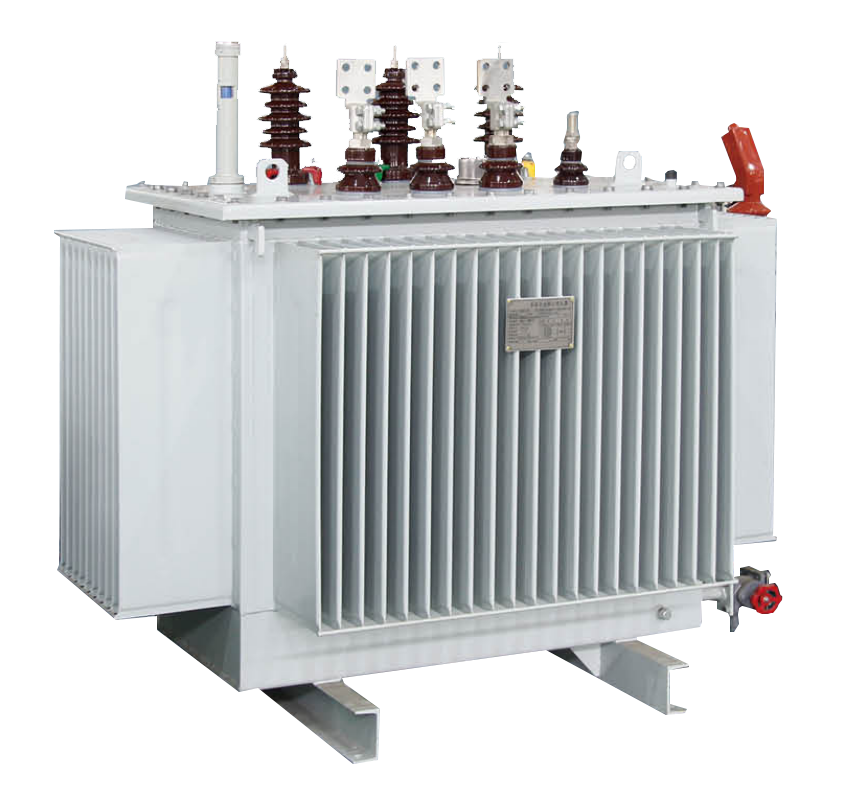
| Transformer equipment | 11 kV / 0.4 kV | IEC 60076 / EOS 179 | Industrial zones, new cities |
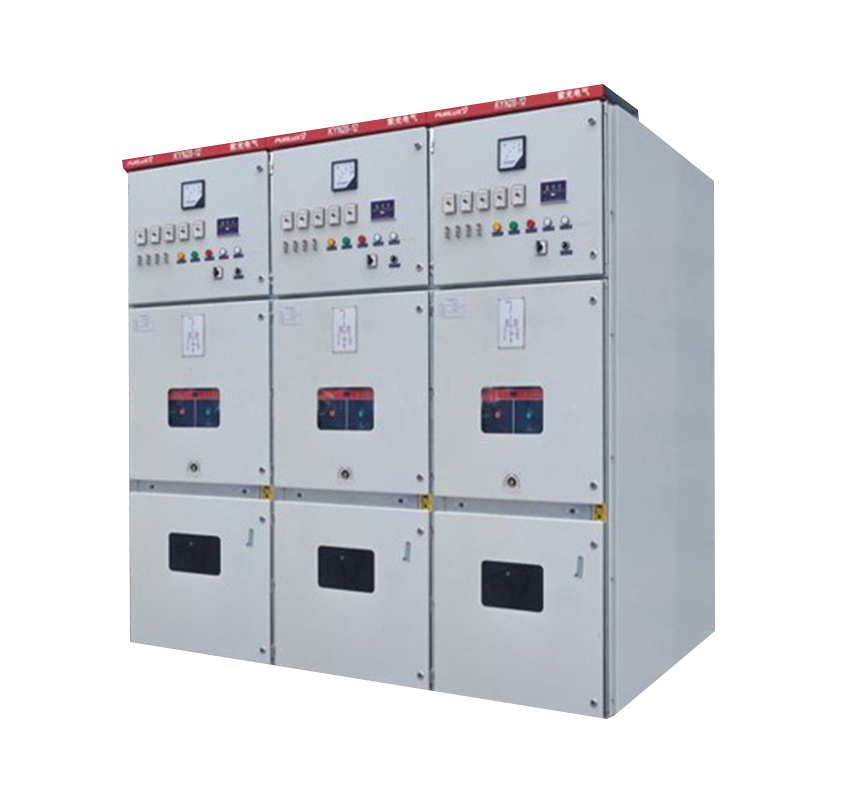
| Electrical switchgear (MV) | 6–36 kV | IEC 62271-200 | Primary substations, solar farms |
| Circuit breakers | LV to 33 kV | IEC 60947 / IEC 60056 | Load protection, feeder isolation |
| Distribution switchboards | 380/220 V | IEC 61439 / EOS 1708 | Commercial buildings, hospitals |
| Busbar systems | Up to 6,300 A | IEC 61439-6 | Data centres, large factories |
| Load center equipment | 220/380 V | IEC 60439 | Residential compounds, retail |
Busbar systems and electrical feeder lines: the hidden bottleneck
Experienced site engineers consistently report that busbar systems and electrical feeder lines are underspecified relative to actual load growth, particularly in Egypt's rapidly expanding industrial parks along the Suez Canal Economic Zone. A busbar rated at 2,500 A during initial construction can be fully loaded within three years if the expansion plan is not factored in at the design stage. Actual testing on several New Cairo commercial projects confirmed that thermal derating under 45 °C ambient conditions reduces effective busbar capacity by 12–18% compared to nameplate ratings at 40 °C reference temperature — a critical calculation that many imported product datasheets obscure.
Egypt-specific certification and compliance requirements
Compliance is not optional — and this is precisely the area where most international supplier catalogues fall short for the Egyptian market. Two bodies govern equipment approval: the Egyptian Electricity Holding Company (EEHC) and the Egyptian Organization for Standardization and Quality (EOS).
EEHC technical specifications and approval process
The EEHC publishes its own Technical Specifications (TS) series — notably TS-7 for distribution transformers and TS-14 for MV switchgear panels — which go beyond IEC base standards by imposing Egypt-specific requirements on insulation class, oil type (for oil-immersed transformers), and terminal configurations compatible with the existing EEHC cable infrastructure. Suppliers must submit equipment for type testing at an EEHC-approved laboratory before any unit can be connected to the public grid. The typical approval cycle runs 8 to 14 weeks, a factor that should be built into project timelines.
EOS standards and import documentation
The EOS applies mandatory conformity certificates (Shahada) for a range of electrical products imported into Egypt. For distribution switchboards and low voltage panels, EOS 1708 (aligned with IEC 61439) is enforced at customs. Missing or expired EOS documentation is one of the leading causes of shipment detention at Alexandria Port and Ain Sokhna. Buyers sourcing internationally should confirm with their supplier that EOS certification is current and covers the exact model variant being shipped — not just the product family.
"Harmonising national grid standards with international IEC frameworks remains the most critical regulatory challenge for distribution equipment procurement across the MENA region. Local type-test approval processes add 10–20% to effective procurement lead time." — IEEE Power & Energy Society, Regional Grid Integration Task Force (2025 report). Full standards reference at IEEE – Power & Energy Standards and Resources.
Climate performance: desert heat, dust, and IP ratings
Why do so many technically compliant products still fail in Egyptian field conditions? The answer almost always involves climate. Egypt's operating environment combines ambient temperatures regularly exceeding 45 °C in Upper Egypt, relative humidity swings between 10% and 90% in Delta coastal regions, and a pervasive fine-particle dust load (Khamaseen season) that standard IP54 enclosures cannot reliably handle.
Minimum IP rating recommendations by installation type
Based on real case evaluations across projects in Aswan, New Valley, and the North Coast, the following IP ratings represent practical minimums — not regulatory minimums — for reliable performance:
- Indoor substations in Cairo and Alexandria: IP31 minimum for MV switchgear, IP41 for LV panels in air-conditioned rooms.
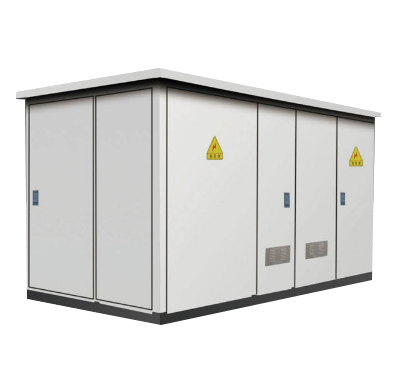
- Outdoor kiosk substations in industrial zones: IP54 for the enclosure; IP65 for terminal connection points exposed to washing or dust ingress.
- Rooftop installations (solar-integrated distribution boards): IP65 as a hard minimum; IP66 strongly preferred in desert-facing orientations.
- Underground cable distribution boxes in coastal areas: IP68 rated for 1 m submersion, due to seasonal groundwater fluctuation near the Nile Delta.
- Open-air switchgear in Upper Egypt (Qena, Luxor, Aswan): IK10 impact resistance combined with IP55, plus active thermal management for internal electronics.
Thermal derating and heat dissipation design
Just like a car engine loses power on a sweltering desert road, electrical switchgear and transformer equipment experience measurable performance degradation at elevated ambient temperatures. The IEC 60076-2 standard defines 40 °C as the reference ambient for transformer rating. In Egypt's southern governorates, the design baseline should be shifted to 50 °C, requiring either uprated cooling (ONAN to ONAF conversion) or a conservative derating factor of approximately 0.8 applied to nameplate capacity. Failing to apply this derating is not a theoretical oversight — it is a documented cause of premature winding insulation failure in several Delta industrial zone projects reviewed in 2025.
Renewable energy integration and smart grid compatibility
Egypt's renewable energy ambition is substantial. The Benban Solar Park in Aswan — one of the world's largest PV complexes at 1.65 GW installed capacity — and the Gulf of Suez wind corridor collectively feed significant variable-output power into the national grid. This reality fundamentally changes the requirements for electric power distribution equipment at every level of the MV/LV distribution network.
Bidirectional power flow and protection coordination
Traditional distribution systems were designed for unidirectional power flow — from substation to consumer. Connecting rooftop solar or small wind turbines at the LV level introduces reverse power flow scenarios that can trip overcurrent relays designed only for downstream faults. The solution lies in deploying directional protection relays and arc flash-rated circuit breakers with bidirectional current sensing. For medium voltage distribution connection points feeding solar farms, the EEHC now mandates grid-code compliant protection relay settings (Rate of Change of Frequency, ROCOF: 0.5 Hz/s; Under/Over-voltage trip: ±10% of nominal).
Smart grid components and digital integration
The 2026 trend toward AI-driven predictive maintenance and digital twin architecture is not a distant concept for Egypt's grid operators — it is already being piloted by EEHC's distribution subsidiaries in Cairo Electricity Distribution Company (CEDC) deployments. Procurement teams evaluating electrical switchgear should now ask suppliers to confirm IEC 61850 protocol compatibility, which enables seamless integration with SCADA systems. For Electric Transmission and Distribution – U.S. DOE perspective on smart grid evolution, the DOE resource library provides useful benchmarking context. Of course, not every project has the budget or IT infrastructure for full IEC 61850 deployment — in those cases, Modbus RTU over RS-485 remains a practical and cost-effective communication backbone for power transmission components monitoring.
Egypt procurement guide: costs, duties, and lead times
This is the section that most international supplier catalogues completely omit — and it is arguably the most practically important for Egyptian buyers navigating a procurement cycle. The figures below are based on 2026 market data gathered from import declarations, distributor price lists, and project cost benchmarks.
Import duty and customs framework
Under Egypt's current Customs Tariff Schedule (aligned with the Common Market for Eastern and Southern Africa, COMESA, preferential rate structures), industrial electrical equipment falls under HS Chapter 85. Key duty rates applicable in 2026:
| Product category | HS code | Import duty (%) | VAT (%) | Estimated landed cost premium |
|---|---|---|---|---|
| Power transformers (>1 MVA) | 8504.23 | 5% | 14% | ~22–26% above CIF |
| MV switchgear panels | 8537.20 | 10% | 14% | ~28–32% above CIF |
| LV distribution boards | 8537.10 | 20% | 14% | ~38–44% above CIF |
| Circuit breakers (MV) | 8536.20 / 8537.20 | 10% | 14% | ~28–32% above CIF |
Realistic procurement lead times and local sourcing options
Lead times vary significantly depending on whether the buyer sources from international manufacturers or from Egypt's growing base of licensed local assemblers. International MV switchgear from European manufacturers (Schneider Electric, ABB, Siemens — all with registered agent networks in Cairo) carries a typical ex-works to site delivery of 16–24 weeks. Locally assembled LV panels from EOS-certified workshops in 10th of Ramadan City or Obour Industrial City can be delivered in 3–6 weeks, often at 25–35% lower all-in cost. For market volume context and global benchmarking, the Power Distribution Industry Statistics and Data from Statista provides useful reference points. Arabic-language technical support and after-sales service availability should be a procurement evaluation criterion — several international brands now maintain Arabic-speaking engineering hotlines and spare parts depots in Cairo's Nasr City district, significantly reducing mean time to repair for critical substation equipment.
How to evaluate and select the right supplier
Selecting a supplier for electric power distribution equipment is not simply a price comparison exercise. The stakes — grid reliability, regulatory compliance, warranty enforceability — demand a structured evaluation framework.
Step-by-step supplier evaluation process
- Verify EEHC and EOS approval status: Request the supplier's current approval certificate number and cross-check directly with EEHC's approved vendor list, updated semi-annually.
- Review type test reports: Confirm that test reports cover the exact voltage, current rating, and enclosure variant you are purchasing — not a generic family approval.
- Assess local after-sales infrastructure: A supplier without a licensed service agent in Egypt, spare parts stock in-country, and Arabic-speaking technical support represents significant operational risk.
- Evaluate climate derating documentation: Ask for product performance data at 45 °C and 50 °C ambient. Any supplier unable to provide this for a product intended for the Egyptian market should be treated with caution.
- Confirm renewable energy compatibility: For projects with solar or wind generation, request explicit confirmation of bidirectional protection relay compatibility and IEC 61850 or Modbus communication support.
- Compare total cost of ownership (TCO): Factor import duties, installation costs (Egyptian contractors price electrical switchgear installation at roughly EGP 850–1,400 per panel bay in 2026), annual maintenance contract value, and mean time between failures. Price alone is a poor proxy for value.
Common misconceptions that cost buyers money
Industry consensus is clear on one recurring error: buyers consistently over-specify voltage class while under-specifying environmental protection. A 36 kV rated MV switchgear panel installed in a poorly ventilated kiosk substation in Minya will fail faster than a correctly IP-rated 24 kV unit in a properly designed enclosure. Higher voltage class does not equal higher reliability — it equals a higher purchase price and greater maintenance complexity. A second widespread misconception is that adding a communication gateway to legacy power transmission components constitutes a "smart grid upgrade." Real smart grid capability requires native IEC 61850-compliant device architecture; bolt-on adapters merely add a data layer without enabling true protection coordination intelligence.
Building a resilient local supply chain
Egypt's strategic goal of localising 60% of power sector manufacturing by 2030 is creating genuine opportunities for buyers willing to work with local assemblers. Several Egyptian manufacturers now produce EOS-certified distribution switchboards, load center equipment, and busbar systems meeting IEC 61439 requirements at competitive prices. Integrating at least one local supplier into your approved vendor list reduces procurement lead times, simplifies warranty claims, and supports the Egyptian Electricity Holding Company's broader localisation policy — which increasingly influences tender scoring criteria for public sector projects.
Frequently asked questions
Q: What certifications are mandatory for electric power distribution equipment in Egypt?
A: Equipment must comply with EEHC Technical Specifications (TS series) and hold a valid EOS conformity certificate (Shahada) under the relevant EOS standard (e.g., EOS 1708 for LV switchboards, EOS 179 for transformers). International IEC compliance alone is insufficient for grid connection approval.
Q: What IP rating should I specify for outdoor substation equipment in Upper Egypt?
A: A minimum of IP55 is recommended for outdoor enclosures in Upper Egypt, with IP65 preferred for terminal areas. In Khamaseen-prone zones (Aswan, Luxor, Qena), combined IP65 and IK10 impact ratings significantly extend service life and reduce maintenance frequency.
Q: How long does EEHC equipment approval typically take?
A: Based on recent project experience, the EEHC type-approval process takes 8 to 14 weeks from submission of complete documentation including type test reports, factory audit certificates, and translated Arabic technical manuals. Incomplete submissions are the primary cause of delays.
Q: Can standard MV switchgear be used for solar farm grid connection in Egypt?
A: Not without modification. Solar farm connection requires directional protection relays, ROCOF-capable trip units, and anti-islanding protection meeting EEHC grid code requirements. Standard overcurrent-only switchgear is non-compliant for renewable energy point-of-connection applications in Egypt.
Q: Is Arabic-language technical documentation available from major suppliers?
A: Leading international brands including Schneider Electric, ABB, and Siemens provide Arabic operation and maintenance manuals for their standard product ranges distributed in Egypt. Buyers should explicitly request Arabic documentation as a contract deliverable, as it is not always included by default in export packages.
Conclusion
Selecting the right electric power distribution equipment for a project in Egypt demands more than matching IEC specification numbers. It requires understanding EEHC and EOS compliance pathways, accounting for the thermal and environmental realities of the Egyptian climate, aligning with the country's renewable energy grid integration requirements, and navigating import duties and local supply chain realities that directly affect project economics and timelines.
The 2026 market rewards buyers who approach procurement as a total-lifecycle decision — balancing initial cost against TCO, international product quality against local service availability, and technical specification depth against practical field performance. Use the frameworks, cost benchmarks, and compliance checklists in this guide as your starting point, and engage directly with EEHC-approved suppliers who can demonstrate in-country support capability alongside competitive pricing.
More news
We will send you real-time information regularly!

Optical storage charging solution supplier
Cangzhou Huarui Transformer Co., Ltd.
Address: Xinxing Town Industrial Zone, Qing County, Cangzhou, Hebei
All rights reserved©2024 Cangzhou Huarui Transformer Co., Ltd.
Powe : www.300.cn License city substation