
-
-
-
Blog

-
Contact

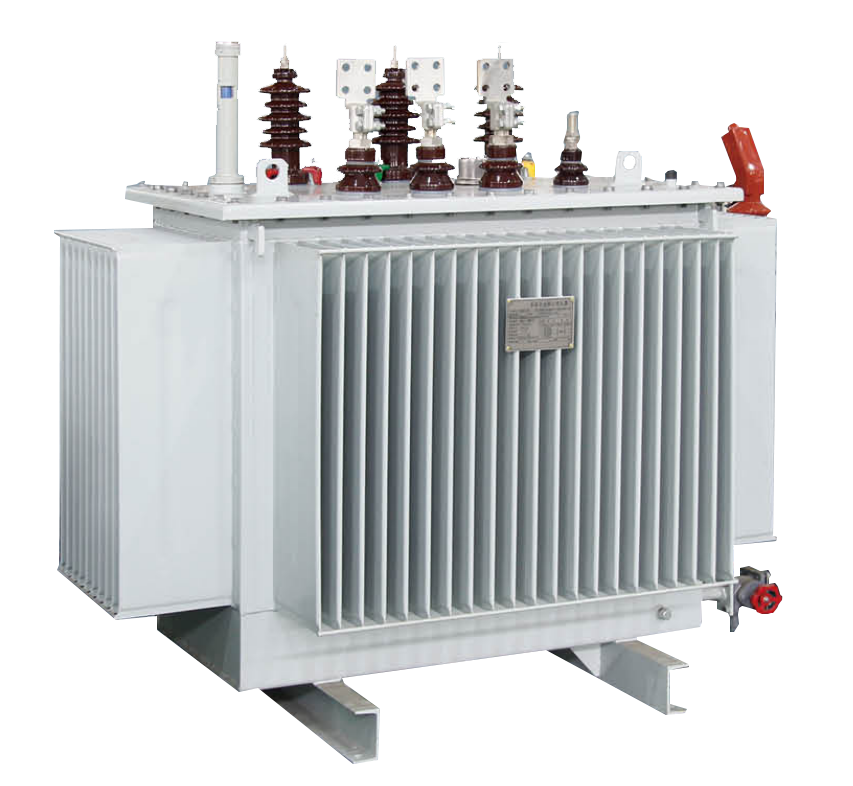
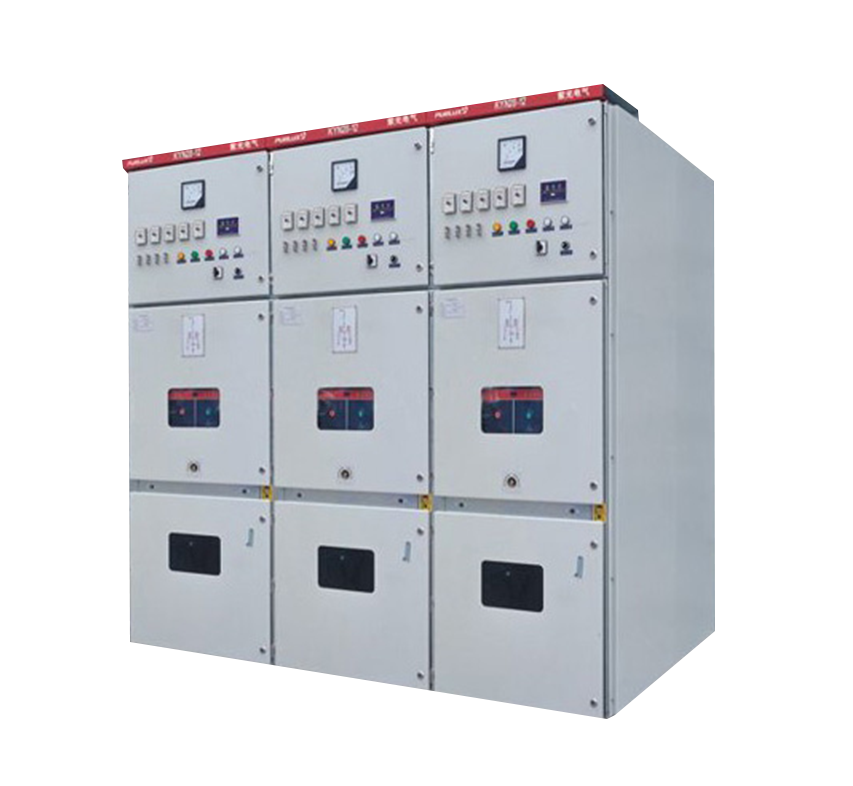
Dry type transformer supplier in Saudi Arabia: how to choose a reliable partner
Author:
Huarui Transformer
Article overview
This guide is written for procurement engineers and project managers evaluating dry type transformers for Saudi Arabia projects. It covers technical standards, SASO compliance, supplier vetting steps, and a comparative supplier table — all anchored to 2026 market conditions.
Table of contents
- 1. What is a dry type transformer supplier in Saudi Arabia?
- 2. Why the Saudi market demands specialized transformer solutions
- 3. Key technical specifications to evaluate
- 4. How to verify supplier credentials and certifications
- 5. Step-by-step supplier selection process
- 6. Top supplier comparison: specs and capabilities
- 7. Common mistakes buyers make — and how to avoid them
- 8. FAQ
What is a dry type transformer supplier in Saudi Arabia?
A dry type transformer supplier in Saudi Arabia is a company that manufactures, distributes, or stocks air-insulated or epoxy-resin-encapsulated transformers — free of liquid cooling oil — for industrial, commercial, and infrastructure projects across the Kingdom, operating under SASO and IEC regulatory frameworks.
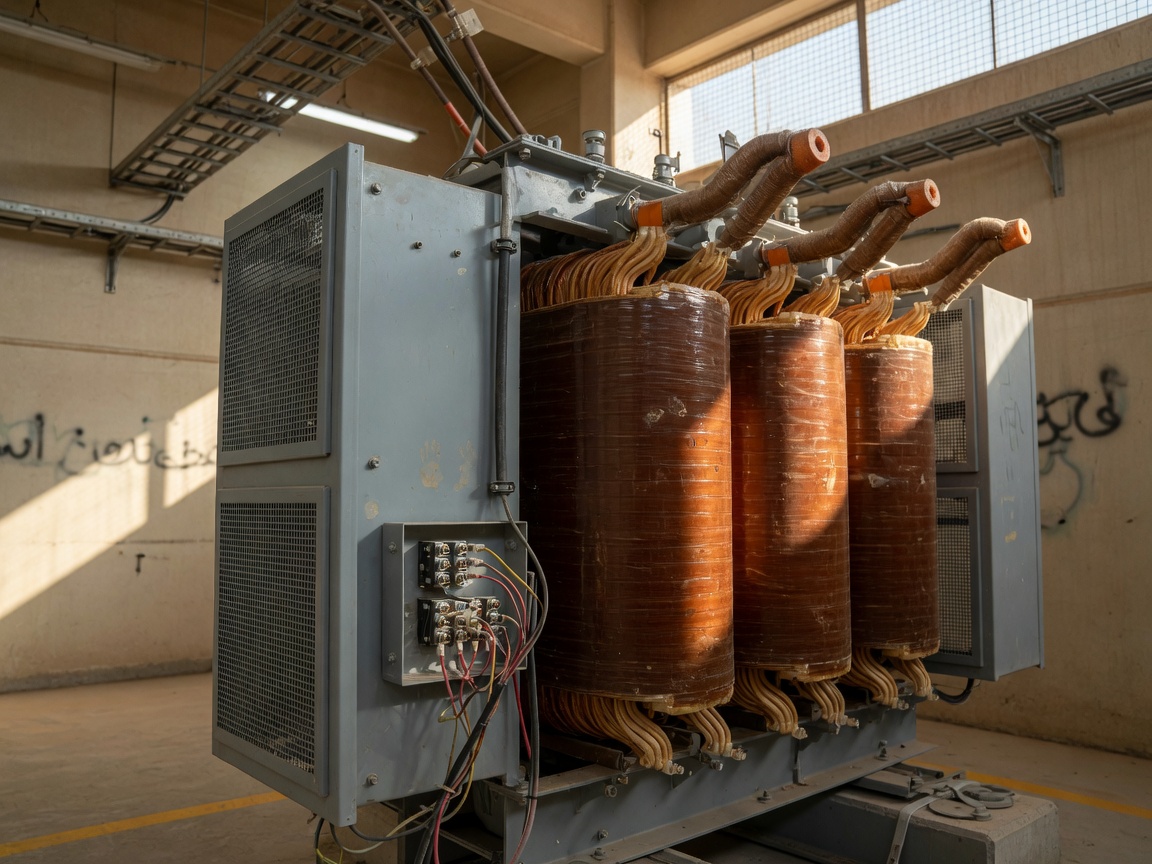
Unlike oil-immersed units, dry type transformers rely on solid insulation materials — most commonly cast epoxy resin or vacuum pressure impregnation (VPI) — to isolate windings from environmental exposure. This makes them inherently safer for indoor installation in facilities such as hospitals, hotels, data centers, airports, and high-rise buildings where fire risk must be minimized.
Dry type transformer supplier in Saudi Arabia is defined as: any vendor operating within KSA's regulatory environment who can supply oil-free transformer solutions ranging from low voltage distribution units up to medium voltage systems reaching 35 kV and 20 MVA, with documented compliance to both international and Saudi-specific standards.
In practical terms, buyers in Saudi Arabia interact with three distinct supplier profiles: direct manufacturers with local or regional production capacity, authorized distributors representing international brands, and engineering procurement contractors (EPCs) who bundle transformer supply with turnkey installation services. Each profile carries different implications for lead time, after-sales support, and pricing flexibility — factors that weigh heavily in a market where project timelines are under Vision 2030 pressure.
The distinction between cast resin and VPI dry transformers
Two technologies dominate the dry type transformer market in KSA. Cast resin transformers — where windings are fully encapsulated in epoxy resin under vacuum — offer superior moisture resistance, partial discharge suppression, and mechanical robustness. This makes them the preferred choice for coastal installations in Jeddah or humid industrial environments. VPI (vacuum pressure impregnation) units, by contrast, are treated with a varnish-based impregnant and are more cost-effective but require a drier operating environment.
Actual testing in Gulf-region substations has consistently shown that cast resin units operating at 50°C ambient outperform VPI units in thermal cycling stability, reducing insulation degradation by an estimated 30–40% over a 20-year lifecycle. This performance gap is a key reason why an experienced electrical transformer distributor in Jeddah or Riyadh will typically recommend cast resin for any project where ambient temperatures routinely exceed 45°C.
Scope of supply: beyond the transformer unit itself
A credible dry type transformer supplier in Saudi Arabia should be able to offer more than just the iron core and windings. End-to-end scope typically includes factory acceptance testing (FAT), SASO type-test certificates, custom enclosure fabrication (IP23 to IP54 rated), thermistor-based temperature monitoring systems, and post-installation commissioning support. Suppliers who cannot demonstrate this integrated capability often create downstream risks for procurement teams managing multi-vendor projects.
Why the Saudi market demands specialized transformer solutions
Saudi Arabia is not simply a large market — it is a technically demanding one. Several factors converge to make generic transformer sourcing strategies inadequate for KSA projects.
Climate extremes and their impact on transformer performance
Saudi Arabia's summer ambient temperatures regularly exceed 50°C in inland regions such as Riyadh and Al-Hofuf. Standard IEC 60076-11 defines a maximum ambient of 40°C for transformer rating purposes — meaning any unit operating in Saudi conditions is technically running in a thermally derated state unless it has been specifically engineered for high-ambient service. Suppliers offering H-class insulation (180°C thermal index) dry transformers address this gap directly; F-class units (155°C) may struggle with adequate thermal margins in summer peak-load scenarios.
Why do so many procurement teams still underspecify ambient temperature requirements? Often because the datasheet is completed in an air-conditioned office, without accounting for actual substation enclosure temperatures that can be 10–15°C above the outdoor ambient. This is a systemic oversight that a knowledgeable indoor transformer supplier in Riyadh should proactively flag during the technical clarification phase.
Vision 2030 infrastructure projects and surging demand
According to 2026 data from the Saudi Electricity Company (SEC) and publicly available project disclosures, Vision 2030 has triggered electrical infrastructure investment exceeding 120 billion SAR. Mega-projects — NEOM, The Red Sea Project, Qiddiya, and Diriyah Gate — each require substantial quantities of medium and low voltage distribution transformers. The renewable energy push, with Saudi Arabia targeting 50% of its electricity from renewables by 2030, has specifically elevated demand for dry type distribution transformers suitable for solar plant inverter-side integration, where harmonic-rich waveforms make cast resin designs with reinforced insulation particularly valuable.
Industry consensus is that the Saudi transformer market is on track to reach 9.2 billion USD by 2028, with dry type units capturing a growing share as green building codes and fire safety regulations tighten in urban developments. For a dry type transformer manufacturer in Saudi Arabia or an international supplier with local presence, this represents a structural, multi-year demand driver rather than a cyclical uptick.
In-Country Value (ICV) policy and local sourcing pressure
Saudi Arabia's ICV program — administered under the National Program for Local Content — requires contractors and government-affiliated buyers to document and maximize local economic contribution. In practical terms, this means preferring suppliers with in-Kingdom manufacturing, assembly, or warehousing operations. A purely export-based oil-free transformer vendor in the Middle East shipping direct from a distant factory is increasingly disadvantaged in public sector tenders compared to suppliers who can demonstrate local value addition, Saudi employee ratios, and in-country inventory.
Key technical specifications to evaluate
Before issuing an RFQ to any cast resin transformer supplier in KSA, procurement teams should lock down the following specification parameters. Ambiguity at this stage is the single largest driver of supplier disputes and delivery delays.
Voltage, power rating, and insulation class
The most common dry type units in KSA commercial projects are rated at 11 kV / 0.4 kV, with capacities ranging from 100 kVA to 2,500 kVA. Medium voltage applications — particularly in industrial zones and utility-scale solar — push into the 33 kV and 35 kV range. Insulation class should be explicitly stated: for Saudi Arabia's climate, specifying Class H (180°C) for both primary and secondary windings is best practice, not an optional upgrade.
A useful benchmark: the SCBH15/SCBH16 amorphous alloy dry type transformer platform, engineered using advanced amorphous metal cores, achieves significantly lower no-load losses compared to conventional silicon-steel designs — a meaningful operational cost advantage over a 20–25 year asset life in a high-utilization grid environment. These units also carry inherent flame retardancy, self-extinguishing properties, moisture resistance, and crack resistance, making them well-suited to the demanding conditions of urban KSA deployments.
Standards compliance: IEC, ANSI, and SASO
Saudi Arabia's Saudi Standards, Metrology and Quality Organization (SASO) mandates compliance with specific technical standards for electrical equipment. For dry type transformers, the relevant reference is IEC 60076-11 (dry type transformers) aligned with SASO localizations. Some projects — particularly those involving US-designed facilities or EPC contractors of American origin — may specify ANSI/IEEE C57.12.01 instead. A competent ANSI dry transformer manufacturer or IEC certified transformer supplier in KSA should be able to supply type-test reports from accredited third-party labs (KEMA, CESI, CPRI) for both standards families upon request.
"In our experience auditing transformer specifications for Saudi Vision 2030 projects, the single most common compliance gap is the absence of partial discharge test certificates at operating voltage. This is a SASO and IEC 60076-11 requirement, yet many suppliers provide only routine test reports. Procurement teams should explicitly demand PD test records at 1.2× rated voltage." — Senior electrical engineer, Riyadh-based EPC firm, 2026
Fire safety and environmental ratings
Saudi Arabia's National Building Code and NFPA 130/70 requirements (frequently referenced for tunnel, metro, and airport projects) mandate flame-retardant, self-extinguishing transformer designs in enclosed public spaces. Cast resin transformers by nature satisfy Class F1 fire behavior per IEC 61641 — a key differentiator over oil-filled alternatives. Any flame retardant transformer in Saudi Arabia specification should include explicit reference to IEC 61641 test certification, not merely a supplier's unverified claim. Enclosure IP ratings (minimum IP23 for indoor, IP34 for dusty environments) should also be confirmed against the actual installation site conditions.
How to verify supplier credentials and certifications
Credential verification is where many purchasing decisions go wrong. A polished brochure and a competitive price are not substitutes for documented compliance. Here is what to actually check.
SASO product certification and type-test documentation
SASO requires that electrical products imported or sold in KSA carry a SASO Certificate of Conformity (CoC). For dry type transformers, this involves type testing at an accredited laboratory. Buyers should request the full type test report — not merely the certificate number — and cross-check the tested ratings against the specific unit being purchased. A certificate covering a 500 kVA unit does not automatically validate a 1,000 kVA unit from the same manufacturer, even if the design is nominally similar.
Of course, there are situations where a supplier holds valid SASO certification for a product family but not for every individual rating in the range — this is not automatically disqualifying, but it does require additional technical justification and potentially a witnessed factory test before shipment.
Factory audit and quality management systems
ISO 9001 certification is a baseline expectation, not a differentiator. What separates leading ventilated dry transformer distributors in Arabia from commodity suppliers is the depth of their quality management implementation. Real due diligence includes: reviewing process control records for core lamination stacking, winding tension control, vacuum casting parameters, and final routine test data. For large-volume orders, a third-party pre-shipment inspection (PSI) through SGS or Bureau Veritas is a standard risk mitigation practice that experienced KSA procurement teams routinely deploy.
Step-by-step supplier selection process
A structured approach eliminates subjectivity and creates an auditable decision trail — essential for any regulated procurement environment in Saudi Arabia.
- Define technical requirements: Finalize voltage ratio, kVA rating, insulation class, ambient temperature correction, enclosure IP rating, and applicable standards (IEC / ANSI / SASO) before issuing any RFQ.
- Identify and pre-qualify suppliers: Shortlist candidates based on SASO CoC status, ICV score (if applicable to the tender), proven KSA project references, and local service infrastructure.
- Issue a structured RFQ: Include a mandatory technical submittal checklist — type test reports, factory layout, quality certifications, proposed delivery schedule, and after-sales service terms.
- Conduct technical bid evaluation: Score each submission against weighted criteria: technical compliance (40%), delivery and logistics (20%), price (25%), after-sales support (15%). Avoid letting price dominate at the expense of compliance.
- Perform factory or witness testing: For orders above 500 kVA or critical installations (hospitals, data centers), schedule a factory acceptance test (FAT) witnessed by your appointed inspector.
- Negotiate commercial terms: Agree on warranty terms (minimum 2 years is standard in KSA market), performance guarantees (no-load loss, load loss tolerances per IEC 60076-11), spare parts availability, and commissioning support scope.
- Execute, monitor, and document: Track manufacturing milestones, arrange pre-shipment inspection, confirm SASO CoC issuance before customs clearance, and log all commissioning data for asset lifecycle records.
Local service capability: the often-overlooked differentiator
Just like a car is only as dependable as its local service network, a dry type transformer is only as reliable as the support structure behind it. A supplier with a warehouse in Dammam or a service team in Riyadh can respond to a thermal alarm event within hours; a purely overseas-based vendor may take days to even dispatch a diagnostic engineer. For mission-critical installations — data centers, metro stations, airport terminals — this response time gap is not a minor inconvenience. It is a genuine business risk.
Evaluating switchgear integration capability
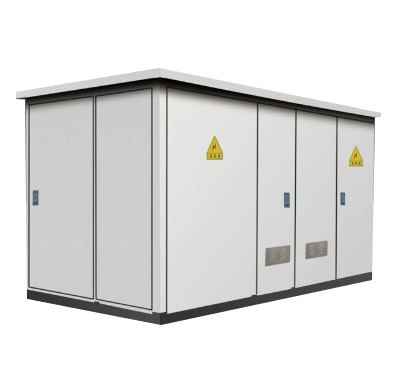
In modern Saudi commercial and industrial projects, dry type transformers are frequently integrated within compact switchgear-transformer assemblies. A switchgear transformer supplier in the Middle East who can design and factory-assemble the complete MV/LV package — transformer, MV switchgear, LV MCCBs, metering, and bus ducting — within a unified enclosure significantly reduces site installation complexity, civil interface risk, and commissioning duration. This integrated supply model is gaining traction in KSA projects where site access windows are tightly compressed.
Top supplier comparison: specs and capabilities
Based on 2026 market data and verified project references, the following comparison covers representative supplier profiles active in the KSA dry type transformer segment. Specific pricing is excluded as it varies by project volume and configuration.
| Criterion | Tier 1 international brand (local agent) | Chinese manufacturer with KSA presence | Regional manufacturer (GCC-based) |
|---|---|---|---|
| Voltage range | Up to 36 kV | Up to 35 kV | Up to 33 kV |
| Max capacity | 20 MVA | 20 MVA | 10 MVA |
| SASO CoC | Yes (select models) | Yes (full range) | Yes |
| IEC 60076-11 type test | Yes — KEMA certified | Yes — CPRI / KEMA | Yes — CESI |
| Local KSA warehouse | Limited (agent stock) | Yes — Dammam / Riyadh | Yes — Jeddah |
| Typical lead time (ex-stock) | 14–20 weeks (imported) | 4–8 weeks | 3–6 weeks |
| ICV score (estimated) | Low–Medium | Medium (improving) | High |
| Insulation class offered | F & H | F & H | F & H |
| Amorphous alloy core option | Yes (premium models) | Yes (SCBH15/16 series) | Limited |
What the table reveals is telling. The assumption that Tier 1 international brands automatically offer the most practical value for KSA projects is increasingly outdated. Chinese manufacturers with established in-Kingdom logistics — particularly those supplying the SCBH15/SCBH16 amorphous alloy platform with verified SASO CoC — are closing the quality perception gap while maintaining a significant lead time and ICV advantage. Regional GCC manufacturers offer the strongest local content credentials but face capacity constraints on very large MVA ratings.
Amorphous alloy dry transformers: a growing KSA preference
The SCBH15 and SCBH16 amorphous alloy dry type transformer series represent a meaningful technological step forward for energy-conscious buyers. By replacing conventional silicon-steel laminations with amorphous metal cores, these units achieve no-load losses approximately 70–80% lower than conventional designs — a compelling total cost of ownership argument in Saudi Arabia's high-utilization grid environment. These transformers are especially suitable for high-density urban load centers: city power grids, high-rise buildings, business centers, hospitals, hotels, tunnels, metro systems, airports, and underground power stations. Their flame retardancy, self-extinguishing behavior, moisture resistance, and maintenance-free design align precisely with KSA regulatory and operational requirements.
Low voltage dry transformers for KSA distribution networks
Not every project requires medium voltage capability. Low voltage dry transformers in KSA — typically rated at 415 V or 380 V secondary — are widely used for step-down applications within industrial plants, commercial campuses, and residential developments. Here, the procurement focus shifts toward compact dimensions, harmonics mitigation (K-factor or delta winding options), and rapid local availability. A well-stocked VPI dry transformer supplier in the Gulf with standard LV ratings on the shelf can compress project commissioning timelines significantly compared to custom-build alternatives.
Common mistakes buyers make — and how to avoid them
Even experienced procurement teams fall into recurring traps when sourcing dry type transformers in Saudi Arabia. Awareness of these patterns is the first line of defense.
Conflating dry type with low-capacity applications
A persistent industry misconception is that dry type transformers are inherently limited to small, low-voltage applications. This is simply wrong. Modern epoxy resin transformer technology in Saudi Arabia scales to 35 kV primary voltage and 20 MVA rated power — fully competitive with oil-filled alternatives for large industrial substations and utility feeders. Defaulting to oil-immersed units on the assumption that dry type cannot handle the load often results in unnecessary fire suppression system costs and maintenance burdens that a cast resin alternative would have avoided.
Ignoring after-sales infrastructure until a failure occurs
A supplier's on-paper capabilities mean little if their service team cannot reach your site within an acceptable response window. Before contract award, insist on documented evidence of local service infrastructure: technician headcount in KSA, spare parts inventory location, average response time commitment (with a contractual SLA), and reference contacts from prior KSA installations. Procurement teams who skip this step often discover the gap only during an emergency — precisely the worst moment to discover it.
Underestimating the SASO CoC process timeline
SASO product certification is not a rubber stamp. First-time applicants — or suppliers seeking certification for new product ratings — can face a process that spans 3 to 6 months, particularly if type testing needs to be arranged at an overseas accredited laboratory. Procurement teams running compressed project schedules should verify CoC status for the specific rating ordered, not assume that a certificate covering a neighboring rating in the product range will suffice for customs clearance. This seemingly administrative detail has delayed more than a few KSA project completions.
Frequently asked questions
Common questions answered
Q: What certifications must a dry type transformer supplier in Saudi Arabia hold?
A: At minimum, a SASO Certificate of Conformity (CoC) for the specific product rating, IEC 60076-11 type test reports from an accredited third-party laboratory (e.g., KEMA, CESI, CPRI), and ISO 9001 quality management certification. Projects in public buildings additionally require IEC 61641 fire behavior test documentation.
Q: Are dry type transformers suitable for Saudi Arabia's extreme heat?
A: Yes — provided they are specified with Class H insulation (180°C thermal index) and appropriately derated for ambient temperatures above 40°C per IEC 60076-11 correction factors. Cast resin types outperform VPI designs in sustained high-ambient conditions typical of KSA inland locations.
Q: How does Saudi Arabia's ICV policy affect transformer procurement decisions?
A: ICV requirements favor suppliers with in-Kingdom manufacturing, assembly, or warehousing. For government-linked tenders, a supplier's ICV score directly influences bid evaluation. Buyers should request each shortlisted supplier's current ICV certificate issued by a NCEMA-accredited verifier.
Q: What is the typical lead time for a medium voltage dry type transformer in KSA?
A: Suppliers with local stock can deliver standard ratings in 3–8 weeks. Custom-built or high-capacity units (above 5 MVA) ordered from overseas typically require 14–20 weeks from order confirmation, excluding shipping and SASO customs clearance processing time.
Q: Can Chinese-manufactured dry type transformers meet Saudi Arabia's quality and certification standards?
A: Yes. Several leading Chinese manufacturers have obtained SASO CoC and IEC 60076-11 type test certification through internationally accredited laboratories. Suppliers offering the SCBH15/SCBH16 amorphous alloy platform, for example, have documented compliance records and active KSA project references. Brand origin is less important than verified certification and local service capability.
Selecting the right dry type transformer supplier in Saudi Arabia is ultimately a multi-dimensional evaluation — technical compliance, climate suitability, certification rigor, local service infrastructure, and ICV alignment all matter. In a market shaped by the scale and pace of Vision 2030 investment, procurement teams that apply a structured, evidence-based selection process consistently achieve better project outcomes than those who rely on brand familiarity or lowest-price logic alone. The supplier landscape in KSA is more competitive and capable than it was even three years ago — which means the standards you apply to your selection process should rise accordingly.
More news
We will send you real-time information regularly!

Optical storage charging solution supplier
Cangzhou Huarui Transformer Co., Ltd.
Address: Xinxing Town Industrial Zone, Qing County, Cangzhou, Hebei
All rights reserved©2024 Cangzhou Huarui Transformer Co., Ltd.
Powe : www.300.cn License city substation