

-
-

-
Blog

-
Contact

Cast Resin vs VPI Dry Type Transformers
Author:
Huarui Transformer

You need to pick Cast Resin or VPI dry type transformer. Your choice depends on what matters most to you. Cast Resin transformers are very safe from fire. They also resist moisture very well. VPI transformers cool down better. They also cost less at first. Look at the main differences below:
Picking the right transformer affects safety, how well it works, and cost. Top brands like Huarui Transformer help make new and better transformers.
Dry Type Transformer Overview

What Is a Dry Type Transformer?
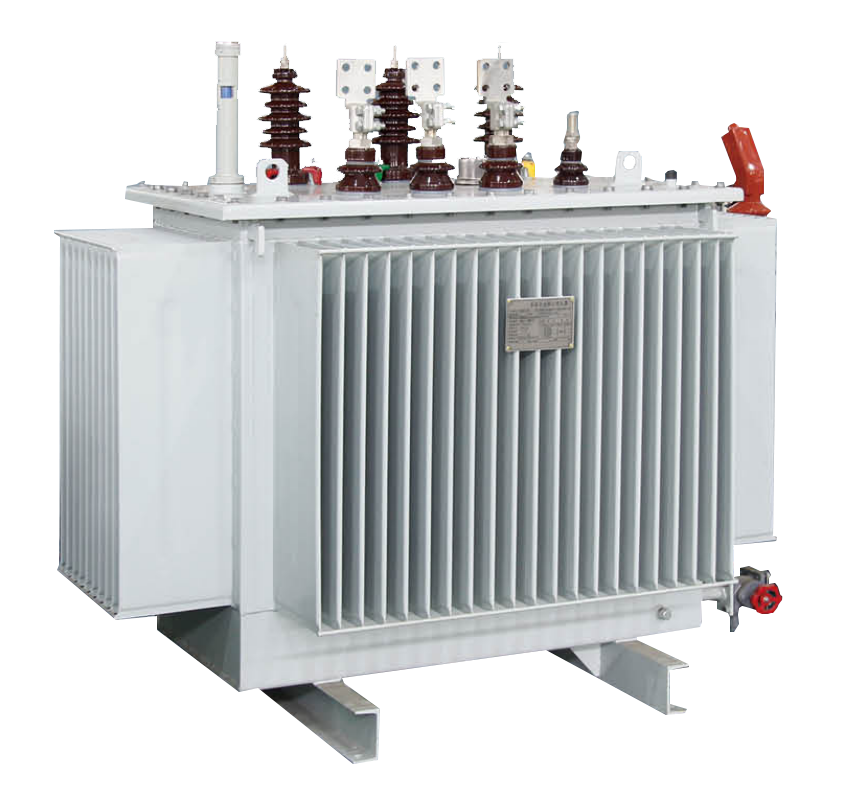
A dry type transformer cools and insulates using air, not oil. You can see these in schools, hospitals, and factories. They are also in many commercial buildings. These transformers do not use any liquid for insulation. This means there is no risk of oil leaks or spills. The core and windings are inside a sealed case. This case keeps out dust and moisture. Huarui Transformer is a leader in this area. They make advanced solutions for new energy needs.
Key Benefits
When you pick a dry type transformer, you get many good things:
Environmental Safety: There is no oil, so you do not worry about leaks or fires from flammable liquids. This helps keep the environment safe.
Low Maintenance: You do not need to check or change oil. Cleaning and checking the transformer is easy.
Easy Installation: You can put these transformers inside buildings. They are good for places with strict safety rules.
Reliable Operation: The sealed case blocks dust and moisture. This helps the transformer work well all the time.
Quiet Performance: These transformers make less noise. This is good for offices and hospitals.
Supports New Energy: Huarui Transformer makes products that work with solar, wind, and other renewable energy.
Tip: Dry type transformers are best where safety and cleanliness are very important.
Limitations
There are some things to think about with a dry type transformer:
Lower Power Ratings: These transformers do not handle as much power as oil-filled ones.
Heat Management: Air cooling does not work as well as oil. The transformer can get hotter when used a lot.
Initial Cost: The price at first can be higher, especially for advanced types.
Size and Weight: Dry type transformers can be bigger and heavier for the same power.
You should think about these things before you choose. Huarui Transformer works on new ideas to solve these problems, especially for new energy and high-efficiency uses.
Cast Resin Transformer Basics
Structure & Insulation
Cast resin transformers cover the windings with solid epoxy resin. The windings sit inside a hard, clear shell. This shell keeps out dust, dirt, and moisture. The insulation does not use oil or any liquid. The resin acts as an insulator and a shield. The core sits in a strong frame. This frame gives extra strength. The unit is sealed tight. It works well in wet or rough places.
Note: Epoxy resin stops water and chemicals from touching the windings. This keeps the transformer safe in humid areas.
Main Features
High fire resistance: The resin does not burn easily. You can use these transformers where fire rules are strict.
Superior moisture protection: The solid resin keeps out water and humidity. You do not need drying machines.
Strong mechanical durability: The hard shell protects from shocks and shakes. You can put the transformer in busy or rough places.
Low maintenance: You do not check oil or change filters. Cleaning is easy.
Quiet operation: The resin makes the transformer less noisy. This helps in schools, offices, and hospitals.
Reliable performance: The sealed design keeps out dust and tiny particles. The transformer works well for many years.
Typical Uses
Cast resin transformers are used where safety and reliability are important. These places include:
Hospitals and clinics
Schools and universities
Shopping malls and office buildings
Data centers and server rooms
Factories with lots of humidity or dust
Renewable energy projects
You can use cast resin dry type transformers inside or outside. The strong insulation lets you put them in basements, rooftops, or near the sea. They work well in many places, especially where fire safety and moisture resistance matter most.
VPI Transformer Basics
Structure & Insulation
VPI means Vacuum Pressure Impregnation. This process helps protect the windings inside the transformer. The windings get covered with a special varnish. The maker puts the windings in a vacuum chamber. The vacuum takes out air and moisture. Varnish fills all the spaces. Pressure pushes the varnish deep into the windings. The windings are baked to make the varnish hard.
Here is a simple comparison of structure and insulation:
VPI transformers have open windings. Air can move around the windings. This helps cool the transformer. The varnish layer protects the copper. It does not seal it like epoxy resin. The transformer is lighter and cools easily.
Main Features
Good heat dissipation: Air moves around the windings. This keeps the transformer cool.
Lower initial cost: VPI transformers cost less than cast resin types.
Flexible design: You can pick many sizes and shapes. They fit different projects.
Easy repair: You can fix or rewind the windings if needed.
Reliable performance: The varnish keeps out dust and some moisture.
Lighter weight: These transformers weigh less than cast resin types.
Tip: Pick a VPI dry type transformer if you want good cooling and lower costs.
Typical Uses
You see VPI transformers in many places. They work best indoors where air is clean and dry. Here are some common uses:
Office buildings and shopping centers
Schools and universities
Light industrial plants
Data centers with controlled air
Renewable energy systems with indoor setups
VPI transformers are used for general power distribution. They fit well in places that need a dry type transformer. They are not for places with high moisture or tough conditions. Their design makes them a good choice for many electrical rooms.
Cast Resin vs VPI: Key Differences
Efficiency & Performance
Losses & Cooling
You want a transformer that works well and does not get too hot. Cast resin and VPI transformers are different in these ways. Cast resin transformers are very efficient and have very low partial discharge. This means they save more energy and last longer. VPI transformers also work well, but they are usually a little less efficient. They cool better in places where air can move around the windings.
Pick cast resin if you want the best efficiency and strong performance in tough places. Pick VPI if you need better cooling in a clean, indoor room.
Safety & Fire Resistance
Flame Retardancy
Safety is very important for electrical systems. Cast resin transformers use insulation that puts out fires by itself. They do not have things that burn easily. This makes them very safe from fire and they make less smoke. VPI transformers are also safe, but their open design makes them less fire-resistant. They make more smoke if there is a fire.
Cast resin transformers follow strict rules like IEC 60076-11 for fire and safety. You can find these rules on the IEC website.
Moisture Resistance
Water can hurt transformers over time. Cast resin transformers cover the windings with solid epoxy. This keeps out water and wet air, even near the sea. VPI transformers use varnish, which gives some protection. Their open windings make them easier to damage from water and dirt. Use cast resin transformers in places with lots of water or high humidity.
Environmental Impact
Eco-Friendliness
You might want a transformer that is good for the environment. Cast resin transformers are safer in fires and make less smoke. They are good for places like hospitals and data centers. VPI transformers cost less, but their lower moisture protection can be a problem for the environment.
Cast resin transformers make less smoke and fewer bad gases.
VPI transformers are best for clean, dry rooms.
Maintenance Needs
How much care a transformer needs changes how much it costs and how long it lasts. Cast resin transformers need very little care. Their sealed case keeps out dust and water, so you do not fix them often. VPI transformers need more checks, especially in wet or dusty places. You may need to fix or rewind the windings sometimes.
Pick a dry type transformer that fits your place and how much care you want to give it.
Cost Comparison
Upfront Cost
Think about the first price when picking a transformer. Cast resin transformers cost more at the beginning. The epoxy resin and sealed parts make them pricier. VPI transformers cost less at first. The varnish process is cheaper. If you have a small budget, VPI might be a better choice.
Note: The first price depends on materials, insulation, and how they are made.
Operating Cost
Operating costs mean money spent on care, fixing, and energy use. Cast resin transformers need less care. Their sealed design keeps out dust and water. You spend less on fixing and checking them. VPI transformers need more checks, especially in wet or dirty places. Energy loss matters too. Cast resin transformers lose less energy, so you save money over time.
Cast resin: Needs less care, loses less energy, lasts longer.
VPI: Needs more care in tough places, loses a bit more energy.
Look at both the first price and long-term costs before you choose.
Application Suitability
Indoor vs Outdoor
Where you put the transformer is important. Cast resin transformers work inside and outside. Their sealed resin protects from rain, dust, and wet air. You can put them in basements, rooftops, or near the sea. VPI transformers are best inside. They need clean, dry air to work well. Outside, they can get hurt by water and dirt.
Tip: Pick cast resin for outside or rough places to get better protection.
Capacity & Voltage Limits
You need to match the transformer to your power needs. Cast resin transformers handle bigger power and higher voltage. They are good for large buildings, factories, and green energy projects. VPI transformers are good for medium and small power. They fit offices, schools, and light factories.
Cast resin: Handles higher voltage and bigger power.
VPI: Good for medium voltage and smaller power.
Always check the voltage and power needs for your site before picking a dry type transformer.
Choosing the Right Dry Type Transformer
Selection Factors
You should think about a few key things before picking a dry type transformer. First, decide where you will put the transformer. Is the area wet, dusty, or full of chemicals? Check the safety rules for fire and electricity. Think about how much money you have now and later. Decide how often you want to fix or clean the transformer. Make sure the power and voltage fit your needs.
Tip: Always pick a transformer that fits your site’s safety and environment.
Decision Guide
Follow these steps to help you choose:
Think about where you will use the transformer. Is it for a hospital, school, factory, or green energy?
Look at the place where you will install it. Is there moisture, dust, or chemicals?
Think about your budget and new technology. Decide how much you can spend now and later for care.
Both cast resin and VPI transformers work indoors. VPI transformers are good for places with clean air. Cast resin transformers are better for tough places with moisture or chemicals. Pick cast resin if you need strong fire safety and moisture protection. Choose VPI if you want lower costs and easy cooling.
Note: Check local rules and standards before you pick.
Example Scenarios
Use these examples to help you decide:
For a hospital or data center, pick cast resin. It gives high fire safety and strong moisture protection.
For a school or office with clean air, choose VPI. You save money and get good performance.
For a factory with lots of humidity or near the sea, pick cast resin. The sealed resin keeps water and dust out.
For a green energy project indoors, use VPI. It is easy to install and has a flexible design.
If you want less maintenance, cast resin is best. The sealed unit needs less care.
Callout: Always check your site’s power and voltage needs. Make sure the transformer fits your requirements.
You can feel sure about your choice by following these steps and matching the transformer to your needs.
Industry Standards & Trends
Key Standards
It is important to know the main rules for dry type transformers. These rules help you pick safe and good products.
IEC 60076-11: This rule is for dry type power transformers. It tells how to test, keep safe from fire, and insulate.
IEEE C57.12.01: This rule is for North America. It gives the basic things a transformer must have.
Eco-Design Directives: These rules want transformers to use less energy and waste less.
You can find more about these rules on the IEC website and IEEE Xplore. If you follow these rules, your transformer will be safer and work better.
Note: Always check your local rules before you buy or put in a transformer.
Market Trends
The transformer market is changing a lot. New energy and green rules are making a big difference.
More people use solar and wind energy now.
Cities want safer transformers for places like hospitals and schools.
Saving energy is getting more important every year.
Smart grids and digital tools are used more often.
Governments make stricter rules for fire safety and being green.
You can read more about these changes on MarketsandMarkets. You should pick transformers that work with new energy and smart tools.
Brand Spotlight: Huarui Transformer
Huarui Transformer is a leader because they make new and high-quality products. Their transformers meet world rules and help with new energy.
Huarui works on optical storage charging and renewable energy.
The company uses new technology for better safety and efficiency.
Their products follow strict fire and environment rules.
Huarui changes fast to fit what customers and the market need.
The team gives strong support and quick help.
Tip: Pick brands that do research and change with new trends. This helps your transformer stay good and ready for the future.
Huarui Transformer is a great partner for progress. You can trust them to help make a greener world.
Installation & Maintenance

Installation Tips
You must follow simple steps to install a transformer safely. First, check the area for water, dust, and good airflow. Put the transformer on a flat and strong surface. Leave space around it so air can move and you can reach it. Use the right tools to lift the transformer so you do not break it. Make sure all cables are tight and the voltage is correct. Ground the transformer to keep people safe from shocks.
Look for dangers at the site before you start.
Always use dry and clean hands and tools.
Hold the transformer in place with bolts or brackets.
Make sure all wires are connected right.
Test the insulation before turning it on.
Tip: Always follow your local safety rules and electrical codes.
Maintenance Best Practices
Check the transformer often to make sure it works well. Clean off dust and dirt so nothing blocks the parts. Look for hot spots, rust, or loose wires. Write down the temperature and voltage numbers. Change any broken parts right away. Have a trained person check the transformer every year.
Watch the temperature and listen for strange sounds.
Check if there is water inside the case.
Oil moving parts if they need it.
Write down what you do after each check.
Note: Doing regular checks helps the transformer last longer and break down less.
Troubleshooting
Sometimes transformers have problems like getting too hot, making weird sounds, or losing voltage. Start by checking how much power it uses and the room it is in. Look for loose wires or broken insulation. Use a thermal camera to find hot spots. Check the voltage and current at the ends. If the numbers are not normal, turn off the transformer and look closer.
Overheating: Lower the load or let more air in.
Noise: Tighten bolts and see if anything shakes.
Voltage drop: Check wires and change bad cables.
Moisture: Dry the inside and fix the seals.
Callout: If you still have problems, call a trained technician to help.
Most problems can be fixed if you check carefully and act fast. Keep a list of steps to help you solve issues quickly.
You now know cast resin transformers are very safe from fire and water. VPI transformers cool better and cost less at first. Cast resin is best for tough or outdoor places. VPI works well in clean, indoor rooms. Top brands like Huarui Transformer give you more benefits:
Ask a trusted supplier if you need expert help.
FAQ
What is the main difference between Cast Resin and VPI dry type transformers?
Cast Resin transformers use solid epoxy for insulation. VPI transformers use varnish instead. Cast Resin gives better protection from water and fire. VPI transformers cool down easier and cost less at first.
Can you use dry type transformers outdoors?
You can put Cast Resin transformers outside. Their sealed case keeps out rain and wet air. VPI transformers are better for inside use. They need clean and dry air to work well.
How often should you maintain a dry type transformer?
You should check the transformer every month. Clean it every three months. Test it with electricity once a year. Doing these things helps stop problems and makes it last longer.
Are dry type transformers safe for hospitals and schools?
Dry type transformers are very safe to use. Cast Resin types protect well from fire and water. VPI types work well in clean places like schools and hospitals.
What is the expected lifespan of a dry type transformer?
Cast Resin transformers can last 25 to 40 years. VPI transformers last about 15 to 25 years. Taking care of them helps them last longer.
Do dry type transformers support renewable energy systems?
You can use dry type transformers with solar and wind energy. Their design works well for new energy and strict safety rules.
How do you choose the right dry type transformer?
You need to look at your space, safety rules, power needs, and money. Cast Resin is good for tough places. VPI is best for clean, indoor rooms.
More news
We will send you real-time information regularly!

Optical storage charging solution supplier
Cangzhou Huarui Transformer Co., Ltd.
Address: Xinxing Town Industrial Zone, Qing County, Cangzhou, Hebei
All rights reserved©2024 Cangzhou Huarui Transformer Co., Ltd.
Powe : www.300.cn License city substation